Russia Eases Citizenship Process for Residents of Unrecognized Transnistria Region
Russian President Vladimir Putin has signed a decree simplifying citizenship acquisition for Transnistria residents by removing language and history exam requirements.
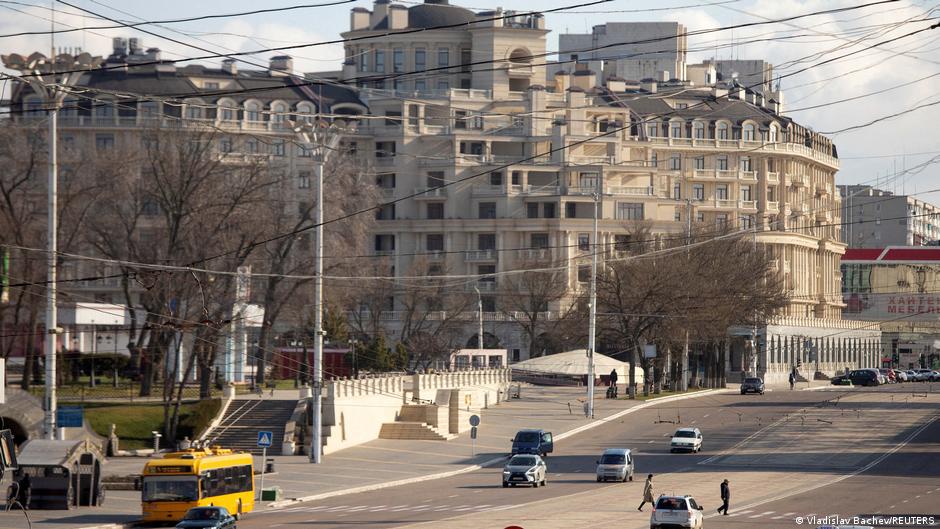
Russian President Vladimir Putin has signed a decree that significantly streamlines the process for residents of the unrecognized Transnistrian Moldovan Republic (PMR) to acquire Russian citizenship. The new measures, published on the official Russian legal information portal on May 15, remove several previous requirements, including mandatory exams on the Russian language and Russian history.
Implications of the Simplified Citizenship Process
Under the decree, all adult residents of Transnistria will be eligible to apply for Russian citizenship without needing to pass language or historical knowledge tests, which had been standard prerequisites. Additionally, the decree permits the issuance of Russian passports to orphaned children in Transnistria upon the request of their guardians.
"The decree allows all adult residents of Transnistria to seek Russian citizenship without additional test requirements, reflecting a significant policy shift," the official document states.
Transnistria, located on the left bank of the Dniester River, is a breakaway region from Moldova that declared independence in 1990 but remains unrecognized by any United Nations member states. The region hosts a Russian operational military group, underscoring Moscow’s strategic interests there.
According to statements made in April by Russian Security Council Secretary Sergey Shoigu, more than 220,000 Russian citizens reside in Transnistria. The self-proclaimed republic's total population is estimated at approximately 470,000 people.
The easing of citizenship rules can be seen as part of Russia’s broader geopolitical strategy to consolidate influence in post-Soviet territories. This move simplifies legal and administrative barriers for local residents to integrate formally with Russia, potentially affecting demographic and political dynamics in the region.
For business leaders and corporate strategists, this development also signals potential shifts in regional stability and governance, which may influence cross-border economic activities and investment decisions. The reduction in bureaucratic hurdles could facilitate greater mobility and legal security for individuals with business interests tied to Russia and Transnistria.
Overall, the decree reflects a deliberate executive decision to strengthen ties with a strategically important region, with implications extending beyond citizenship policy into broader geopolitical and economic spheres.