UK Government to Boost Defense Budget by £18 Billion Amid Political Turbulence
Prime Minister Keir Starmer plans a significant defense spending increase, raising strategic and budgetary questions for British leadership.
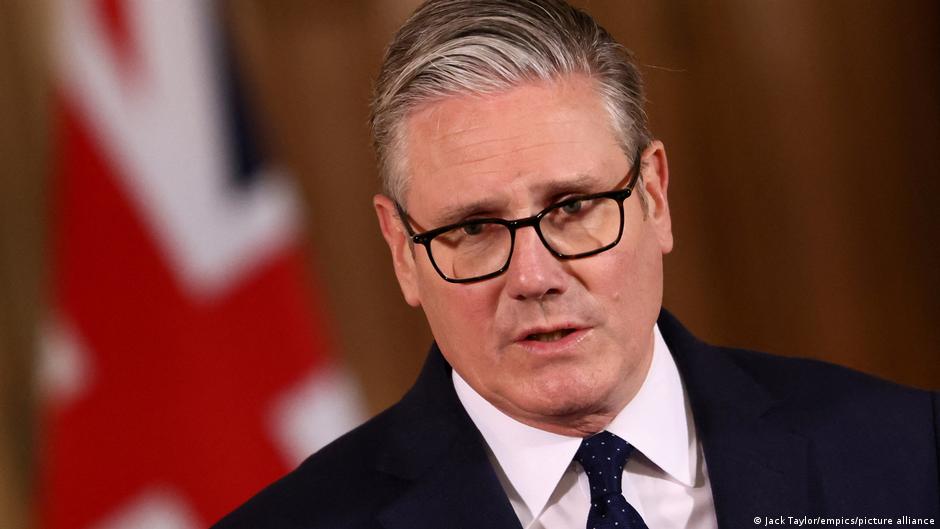
The United Kingdom is preparing to increase its defense expenditure by £18 billion (approximately €20.6 billion), signaling a major shift in government priorities amidst a brewing political crisis. According to recent reports, Prime Minister Keir Starmer is expected to announce this substantial budget expansion between May 18 and 24, 2024.
Strategic and Fiscal Dimensions of the Defense Budget Increase
This prospective boost will elevate the UK’s defense spending to an estimated £62.2 billion for the fiscal year 2025-2026. While exact funding sources remain undisclosed, insiders describe the new defense package as "manageable" within the broader government budget framework. This suggests careful fiscal planning to balance national security priorities with economic constraints.
Starmer's administration has underscored defense and security as central pillars of its policy agenda, particularly in response to geopolitical tensions stemming from the ongoing conflict in Ukraine and instability involving Iran. The intended budget increase is not only a financial decision but also a strategic move to reinforce the UK's military capabilities in an uncertain international environment.
"The new defense package will be entirely sustainable within the government’s budget," a senior government source stated, highlighting the administration's confidence in fiscal responsibility.
However, the timing of this announcement is critical. Starmer is currently facing internal party dissent, with multiple Labour MPs publicly demanding his resignation. This political turmoil adds complexity to the government’s ability to implement expansive policy measures, including defense spending boosts.
Boardroom Implications and Corporate Defense Sector Outlook
From a corporate and executive perspective, this significant budget augmentation presents both opportunities and challenges. Defense contractors and related industries are likely to see increased demand, potentially leading to accelerated contracts and investments in technology development. Companies operating in aerospace, cybersecurity, and advanced weaponry sectors could anticipate favorable conditions for growth.
On the strategic front, boards of defense firms will need to reassess risk profiles and resource allocations in light of potential government contracts and evolving defense priorities. Governance teams must navigate the political instability backdrop, ensuring that corporate strategies remain aligned with government policy shifts and budgetary adjustments.
Furthermore, the UK’s increased defense spending may influence international partnerships and alliances, affecting multinational defense enterprises and joint ventures. Corporate executives should monitor how this budgetary expansion might alter competitive dynamics and regulatory environments within the defense industry.
Overall, the planned £18 billion increase in defense spending reflects a significant executive decision by the UK government that will have broad implications across public policy and private sector strategy, particularly for companies engaged in defense and security markets.