Russia Extends Sale of Lower-Grade Fuels Until 2027 Amid Energy Crisis
Russian government authorizes continued production and sale of Euro-2 to Euro-4 fuels as a temporary crisis measure.
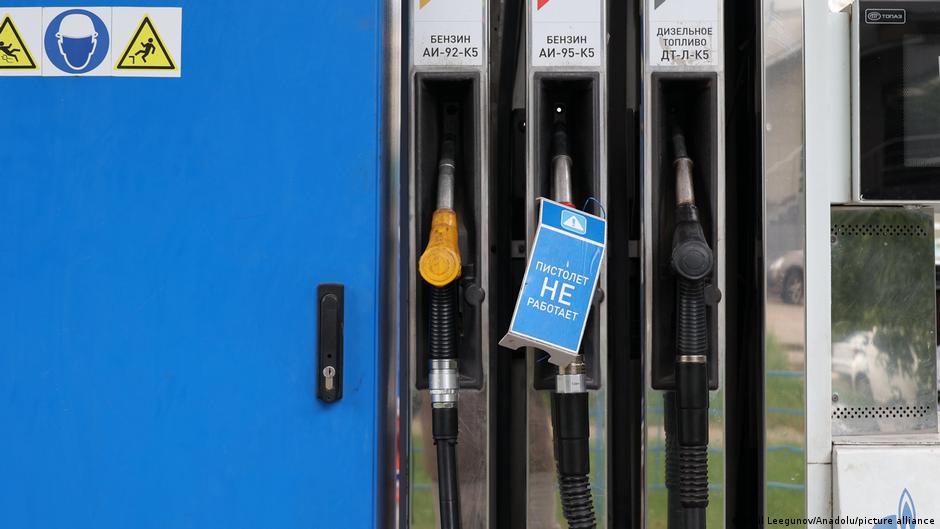
The Russian government has authorized the production and sale of lower environmental standard fuels — specifically Euro-2, Euro-3, and Euro-4 grades — until July 1, 2027. This decision, announced by the Ministry of Energy on August 5, 2026, is described as a temporary and anti-crisis measure designed to balance fuel quality requirements with consumer availability.
Previously, Russia planned to phase out these lower-grade fuels in favor of higher-quality Euro-5 (K5) gasoline. However, the authorities simultaneously canceled allowances permitting sales of Euro-5 gasoline with elevated sulfur content beyond 2026. The Ministry of Energy emphasized that fuel ecological class information will be clearly displayed at gas stations to inform consumers.
Strategic Response to a Worsening Fuel Crisis
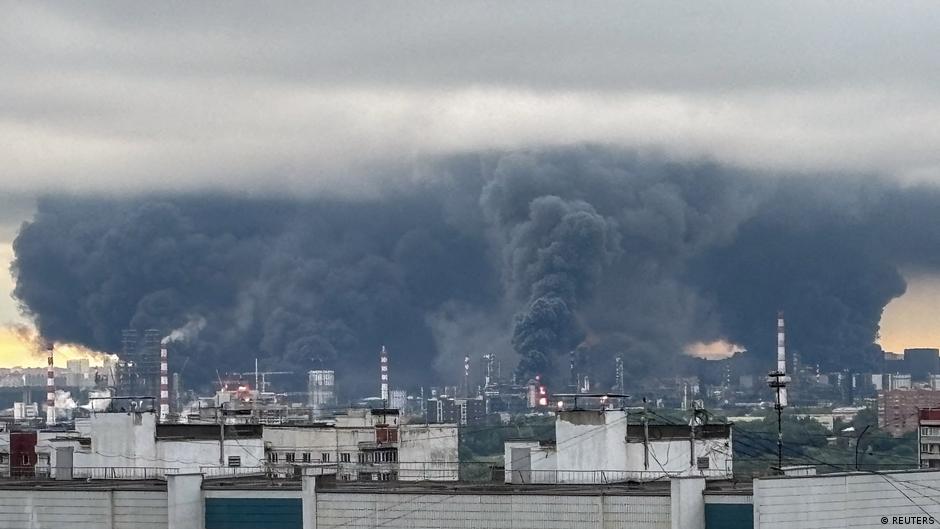
The impetus behind this policy shift is a deepening fuel supply crisis in Russia, primarily driven by consistent Ukrainian military strikes targeting Russian oil refineries and energy infrastructure. The crisis intensified sharply in late May 2026, when Moscow's Kapotnya refinery — responsible for approximately 40% of the capital’s fuel supply — suffered two strikes in one week and will remain offline until late 2026 or early 2027.
"The decision to permit lower-grade fuels is a temporary, crisis-driven step to ensure fuel availability despite refinery outages," said a Ministry of Energy official.
According to Reuters, gasoline production in Russia fell by 25% in June 2026 compared to June 2025, dropping to 85,000 tons per day against a summer consumption rate of 110,000 tons daily. More than 40 regions introduced official fuel sales restrictions as a result.
The extension of lower-grade fuel sales allows refineries to process crude oil with less complex refining methods, utilize facilities unable to produce higher-grade fuels, and significantly simplify production operations. Dmitry Prokofiev, Communications Director at NEFT Research, estimated that this policy could increase gasoline output by several hundred thousand tons monthly, though it is unlikely to fully offset lost volumes.
However, the move raises safety and environmental concerns. Many modern vehicles may not be compatible with fuels of such low ecological standards, potentially risking engine damage and increased emissions.
Corporate and Boardroom Implications
For Russian refining companies and fuel distributors, this regulatory rollback forces a recalibration of production priorities and supply chain management, emphasizing volume and availability over quality. Executive leadership must navigate these trade-offs carefully, balancing short-term crisis response against long-term sustainability and brand reputation.
Boards will also need to consider the potential regulatory risks and consumer backlash from the extended use of lower-grade fuels, as well as the operational impacts of continued pressures on refinery infrastructure. Strategic planning will require enhanced risk mitigation against military disruptions and consideration of investment in infrastructure resilience or alternative supply routes.
Ultimately, this policy underscores the acute geopolitical pressures shaping Russian energy strategy and the complex decisions faced by corporate executives operating within this context.