Russia Signals Potential Halt of Duty-Free Gas Supplies to Armenia Amid EU Alignment
Moscow warns Armenia that deepening ties with the European Union may jeopardize existing duty-free energy agreements and economic cooperation.
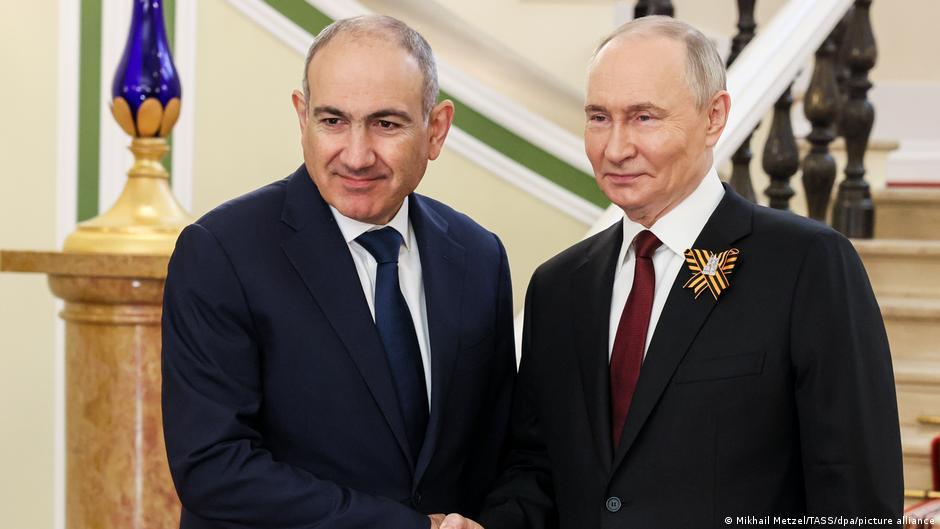
Russia has issued a formal warning to Armenia that continued efforts by Yerevan to strengthen its relationship with the European Union could lead to a suspension or termination of critical duty-free imports, including natural gas, petroleum products, and unprocessed diamonds. This development marks a significant escalation in the geopolitical and economic tensions between Moscow and Armenia, underscoring the complex interplay between diplomatic alignment and energy security.
Strategic Implications of Armenia’s EU Engagement
According to a recently obtained letter from Russian Energy Minister Sergey Tsivilyov to Armenia's Ministry of Territorial Administration and Infrastructure, Russia considers the deepening of Armenia-EU ties incompatible with the continuation of the 2013 bilateral agreement that enables duty-free supply of specified goods. The agreement, which has been a cornerstone of Russian-Armenian trade relations since December 2013, currently allows Russia to export natural gas, petroleum products, and unprocessed diamonds to Armenia without customs duties.
"Ongoing practical steps towards closer cooperation between Armenia and the European Union, together with the Armenian government's declared aspiration to join the EU, threaten the preservation and further development of the fundamentally high level of Russian-Armenian trade-economic and investment cooperation," the letter states.
The letter explicitly notes that maintaining these duty-free arrangements is "impossible" if Armenia continues along its current course.
The 2013 agreement stipulates that Russia supplies Armenia with petroleum products and gas volumes aligned with Armenia's internal consumption. Importantly, the agreement prohibits Armenia from re-exporting these goods to third countries. Furthermore, the agreement outlines financial obligations that persist if either party terminates the contract, including Armenia's responsibility to pay compensation or recognize outstanding sums as sovereign debt to Russia until full repayment.
Russia’s warnings come amid Armenia's near-total dependence on Russian energy imports. Analysts emphasize that Russia supplies the majority of Armenia’s natural gas and petroleum products annually, making the economic risks of any disruption considerable.
As of this writing, Armenian government officials, including the Ministry of Territorial Administration and Infrastructure and the Prime Minister's office, have not issued comments on the matter.
Broader Political and Economic Fallout
The implications of this dispute extend beyond energy trade. On the same day the letter surfaced, Russia’s Deputy Speaker of the State Duma, Pyotr Tolstoy, suggested that special privileges currently afforded to Armenian citizens in Russia, such as extended stays without registration and simplified employment processes, could be rescinded if Armenia loses its status as a strategic ally.
"Those actors attempting to distance themselves from Russia should be aware that the consequences for Armenia will be far more severe if Russia distances itself," Tolstoy warned, emphasizing that the current concessions are directly tied to Armenia’s strategic alignment with Moscow.
Earlier in May, Russia imposed restrictions on the import and sale of certain Armenian goods, including wines, brandies from particular producers, vegetables, fruits, and flowers. These moves appear to be part of a broader Russian response to Armenia’s pivot toward the EU.
President Vladimir Putin publicly pressed Armenia on May 9 to make a decisive choice between EU participation and continued membership in the Eurasian Economic Union (EAEU). He indicated that Russia would pursue a "soft, intelligent, mutually beneficial divorce" should Armenia opt firmly for the EU, signaling a potential reconfiguration of bilateral relations.
Executive and Corporate Considerations
For companies operating in Armenia and Russian energy firms, these warnings necessitate urgent strategic review. The prospect of disrupted duty-free energy imports could affect operational costs, investment decisions, and supply chain continuity.
Energy executives and board members in both Russia and Armenia face critical questions: How will Armenia’s EU engagement reshape long-term energy contracts? What contingency plans can be implemented to mitigate supply risks? And how might shifting political alliances influence corporate governance and investment climates in the region?
Given the intertwined nature of politics and commerce in this context, corporate leadership must carefully balance geopolitical realities with business imperatives to navigate the evolving landscape effectively.