Russia Signs Military Cooperation Pact with Taliban Amid Strategic Realignments
Moscow and the Taliban agree on defense-technical collaboration, signaling potential arms transfers and geopolitical shifts in Afghanistan.
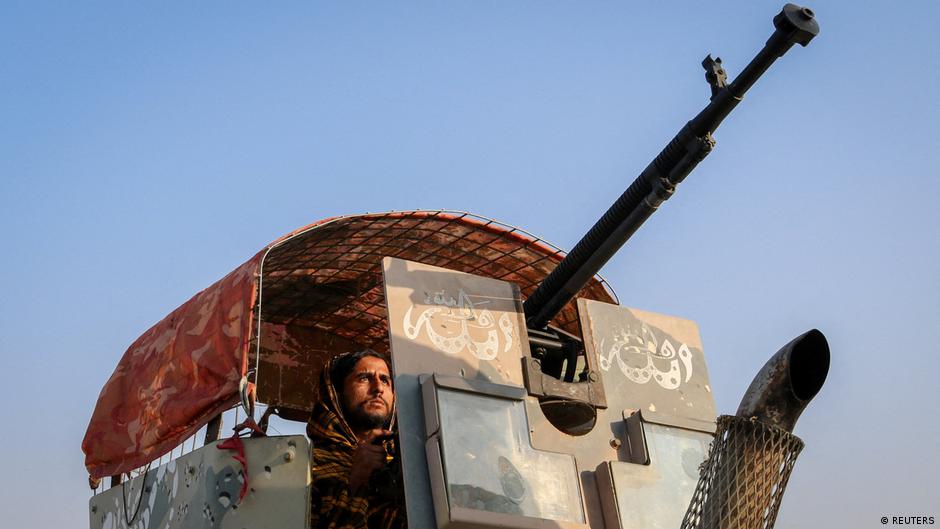
Russia has formalized a military-technical cooperation agreement with the Taliban, the radical Islamist movement currently governing Afghanistan. The pact, signed during the International Security Forum in the Moscow region on May 27, marks a significant development in Russia's strategic posture toward Afghanistan and the broader Central Asian region.
Details and Strategic Implications of the Agreement
The specifics of the agreement remain undisclosed, but such accords typically encompass the exchange of weapons, military technology licenses, and joint development programs. This could potentially open pathways for Moscow to provide the Taliban with Russian arms and technical expertise.
However, some regional experts regard the agreement as largely symbolic. Ruslan Suleymanov, an expert on Eastern affairs, described the deal as a "symbolic measure" in discussions with independent media, emphasizing that substantial military cooperation is currently unlikely due to geopolitical and operational constraints.
"There are no real prerequisites for serious military cooperation between Russia and the Taliban," Suleymanov noted, suggesting that the pact may serve more as a diplomatic gesture than a foundation for immediate military engagement.
The agreement was signed following a meeting between Russian Security Council Secretary Sergey Shoigu and Afghanistan’s Defense Minister Mohammad Yaqoob, a former Taliban military commissar and son of the movement’s founder, Mullah Mohammed Omar. During their talks, Yaqoob stated that Moscow and Kabul had "expanded bilateral relations," while Shoigu called on Western nations to unblock Afghanistan’s frozen assets and invest in the country’s reconstruction efforts.
The Taliban’s return to power in 2021, following the withdrawal of U.S. forces, reshaped Afghanistan’s international relations. Russian President Vladimir Putin referred to the Taliban as "allies in the fight against terrorism" in 2024, and the Kremlin officially removed the Taliban from Russia’s list of terrorist organizations in 2025, accepting the appointment of the group's ambassador in Moscow. This move contrasts with stances taken by several other countries, including Tajikistan, Turkey, and Canada, who continue to designate the Taliban as a terrorist group.
Boardroom and Executive Considerations
For multinational businesses and policymakers, this agreement signals a recalibration of Russia’s defense and geopolitical strategies in Central Asia. The potential transfer of military technology and weapons to the Taliban may heighten regional security risks, impacting international investment climates and supply chains in adjacent markets.
Moreover, Western companies and governments may need to reconsider their risk assessments concerning business operations and diplomatic engagements in Afghanistan and Russia. The Kremlin’s pivot toward engagement with the Taliban underscores a broader pattern of Russia seeking strategic partnerships outside Western spheres of influence, potentially reshaping competitive dynamics in defense and security sectors.
Executives in defense industries should monitor subsequent developments for opportunities or challenges arising from Russia’s enhanced presence in Afghanistan’s military landscape. Similarly, corporate boards should evaluate implications for compliance, sanctions exposure, and geopolitical risk management given the emerging cooperation between Moscow and the Taliban.