Russian Attacks Disrupt Ukrainian Port and Energy Infrastructure Amid Ongoing Conflict
Recent Russian strikes have damaged critical port facilities in Izmail and energy infrastructure in Dnipropetrovsk and Kharkiv regions, posing strategic challenges for Ukrainian industries.
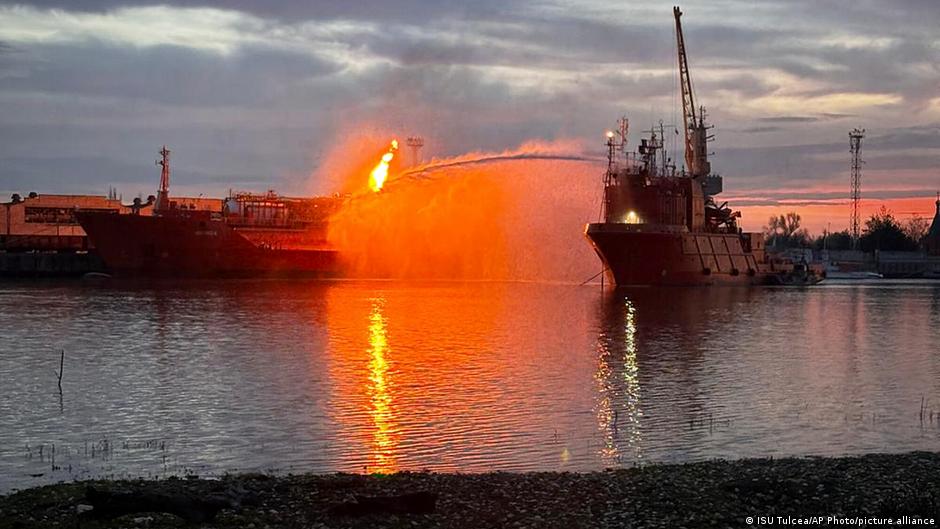
On the night of May 19, Russian Armed Forces launched air strikes targeting the Izmail district in the Odessa region of southern Ukraine. According to the Izmail District City Administration, the attacks caused damage to port infrastructure, a vital component of regional logistics and trade.
The Ukrainian State Emergency Service responded promptly to mitigate the aftermath, with no reported casualties or significant structural destruction. Official statements noted that most aerial threats were neutralized over open terrain outside populated areas, minimizing human and infrastructural losses.
Strategic Impact on Energy Infrastructure
Concurrently, the head of Naftogaz Ukraine, Serhiy Koretskyi, disclosed that Russian forces sustained intensive assaults on the group’s oil and gas infrastructure in the Dnipropetrovsk region. Over May 17 and 18, near-continuous drone attacks culminated on the evening of May 18 in a ballistic missile strike deploying three missiles simultaneously against energy assets.
“Damage and destruction have been confirmed, though thankfully no personnel were harmed,” Koretskyi stated, highlighting the resilience of Ukraine’s energy workforce amidst escalating hostilities.
These attacks follow similar strikes in the Poltava region, where ballistic missile barrages inflicted considerable damage on Naftogaz facilities. The recurrence of assaults on energy infrastructure underscores the tactical intent to disrupt Ukraine’s energy supply chains and economic stability.
Drone Strikes in Kharkiv and Broader Conflict Dynamics
Further complicating the security landscape, Kharkiv Mayor Ihor Terekhov reported drone attacks in the Novobavarskyi and Kholodnohirskyi districts. The strikes targeted civilian infrastructure, igniting fires in residential areas. Emergency teams rescued two individuals from a burning home, with search and rescue operations ongoing for a potential third person trapped under debris.
These incidents form part of a broader escalation in drone warfare, with Bloomberg recently reporting that Ukraine has extended its drone strike capabilities into Russian territory, including major cities in the Ural region. The expanded operational range covers approximately one-quarter of Russia's territory, home to over 70% of its population. This shift marks a significant evolution in the conflict’s strategic calculus and has implications for corporate risk assessments concerning energy and transport infrastructure in the region.
Implications for Corporate Strategy and Executive Decision-Making
These continued hostilities pose acute challenges for executive leadership within Ukraine’s critical industries, notably in energy and logistics sectors. The targeting of port facilities and energy infrastructure necessitates enhanced risk mitigation strategies, including diversification of supply routes, fortification of physical assets, and accelerated adoption of security technologies.
For international stakeholders and investors, the evolving conflict underscores the importance of dynamic risk assessment frameworks and contingency planning. Corporate boards must weigh geopolitical risks alongside operational priorities to safeguard assets and ensure continuity of service amid persistent instability.