Russian Drone Strikes Disrupt Critical Infrastructure and Power in Chernihiv
Massive drone attacks by Russian forces on Chernihiv’s infrastructure result in widespread power outages affecting thousands of residents.
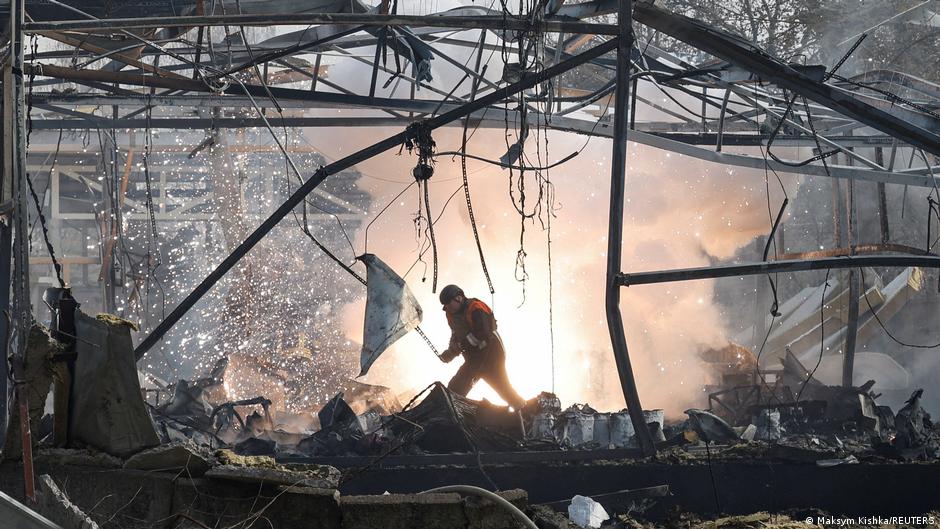
In the early hours of April 17, Russian military forces launched a coordinated drone strike targeting critical infrastructure in the Ukrainian city of Chernihiv. The assault triggered multiple fires and caused significant damage to energy facilities, leaving approximately 6,000 households without electricity, according to local energy providers.
Impact on Infrastructure and Energy Supply
Dmitry Bryzhinsky, head of the Chernihiv city military administration, confirmed the attack on vital infrastructure components, though details regarding casualties remain unverified as investigations continue. The Chernihiv City Council's press office reported that the drones specifically hit an industrial site, sparking a fire, alongside other infrastructure targets within the city.
"Information on the affected sites is preliminary and subject to verification," officials noted, underscoring the fluid situation on the ground.
Energy company Chernihivoblenergo announced that damage to an electrical facility in the Chernihiv district caused widespread outages impacting nearly 6,000 subscribers. Restoration efforts are planned but contingent on the security situation, highlighting the operational challenges faced by utility companies in conflict zones.
Historical Context and Repeated Disruptions
This recent strike is part of a recurring pattern of assaults on Chernihiv’s energy infrastructure. On April 6, a separate Russian drone attack on an energy facility in the nearby Nizhyn district left around 340,000 subscribers in Chernihiv, Pryluky, and adjacent districts without power.
Earlier, on March 21, the city experienced a total blackout due to Russian attacks on regional power infrastructure, forcing critical and social service facilities to switch to emergency power sources. The regional railway operator, Ukrzaliznytsia, reported train delays caused by power outages, illustrating broader logistical disruptions.
Chernihiv also endured a similar complete power failure on the night of October 21, 2025, when Russian Shahed drones targeted energy assets. Once again, essential services were compelled to rely on alternative power solutions to maintain operations.
In addition, on October 8, 2025, the city of Nizhyn faced blackouts after Russian shelling resulted in over 4,500 subscribers losing electricity.
Corporate and Strategic Implications
These repeated attacks on energy infrastructure highlight vulnerabilities in Ukraine’s critical infrastructure amid ongoing conflict. For energy providers and corporate stakeholders, the challenges extend beyond immediate repair work, encompassing risk management, contingency planning, and investments in resilient infrastructure capable of withstanding or rapidly recovering from such disruptions.
Moreover, the cascading effects on transportation networks and essential services underscore the interconnectedness of infrastructure systems and the potential for significant economic and operational impacts in conflict-affected regions.
Corporate decision-makers and infrastructure operators must prioritize robust security protocols and explore innovative technologies to mitigate risks associated with drone and missile threats, ensuring continuity of service and safeguarding both personnel and assets.