Russian Filmmaker Zvyagintsev Condemns Kremlin Censorship Amid Anti-War Appeal
Director Andrey Zvyagintsev criticizes Kremlin spokesperson for silencing anti-war message and highlights millions of Russians denied a voice.
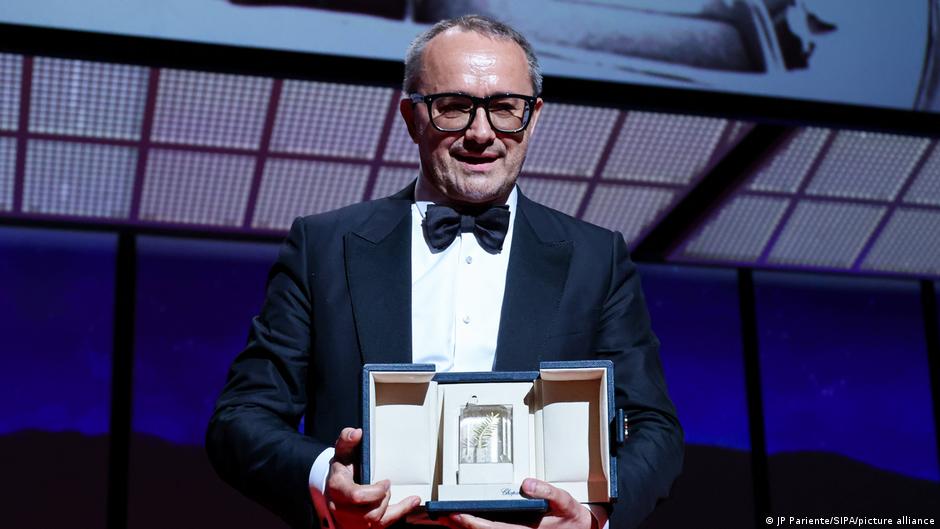
Andrey Zvyagintsev, acclaimed Russian film director and recipient of the Grand Prix at the Cannes Film Festival, has publicly condemned the Kremlin's refusal to pass on his anti-war message to President Vladimir Putin. The filmmaker's outspoken appeal urges an immediate end to the ongoing conflict in Ukraine, emphasizing the devastating human toll and the urgent need for decisive action.
Executive Silence and Public Dissent
Following Zvyagintsev's remarks at Cannes on May 23, in which he implored President Putin to halt the "countless killings" and the "meat grinder" of war, Kremlin press secretary Dmitry Peskov rejected the message and declined to forward it to the Russian president. Peskov justified this by asserting that Zvyagintsev lacks the "right to speak out" on the war, as he had not condemned what the Kremlin terms the "bloody battle" initiated by the Kyiv regime in Donbass since 2014.
"Yes, absolutely — I have no voice, just as hundreds of millions of Russians have none today," Zvyagintsev responded, highlighting the systematic silencing of dissenting voices within Russia.
At a May 25 briefing, Peskov stated, "Zvyagintsev has never condemned the bloody fighting that the Kyiv regime organized in Donbass starting in 2014. If he had done so back then, probably he would have the right to speak now. But he does not have that right currently." He further noted his own unwillingness to deliver the director's message to President Putin or expect anyone else to do so.
Zvyagintsev's statements underscore a broader context of restricted civic expression in Russia. He referenced the labeling of critical citizens as "Bandarlogs"—a pejorative term used by the Kremlin—and the recurring suppression of public dissent throughout years of political turmoil, including in 2008, 2011, and 2014.
Corporate and Strategic Implications
From a business and governance perspective, the Kremlin’s dismissive handling of outspoken cultural figures like Zvyagintsev signals an entrenched strategy to control narratives and limit public discourse. This approach presents significant challenges for Russian leadership in navigating both domestic stability and international reputation. The suppression of voices advocating for peace could exacerbate internal societal fractures and prolong geopolitical conflicts, posing risks to economic sanctions, investor confidence, and Russia’s global standing.
Zvyagintsev warned of a looming "dead end" for the country’s trajectory, urging immediate, rational action to end the "senseless and merciless war." His message stresses the human cost—the grief, disillusionment, disabled citizens, and the depletion of the young workforce—essential for national recovery and future development.
In the boardrooms and executive suites of Russian enterprises, the ongoing conflict and state censorship may impact leadership decisions, corporate social responsibility initiatives, and long-term strategic planning. Global businesses operating in or with Russia must weigh these political dynamics carefully, assessing potential risks associated with governance opacity and civil unrest.
The film director’s public dissent reflects the broader tension between Russia’s leadership and segments of society advocating for peace and transparency, suggesting that a recalibration of executive communication and policy strategy could be crucial to avoid further isolation and internal decline.