Slovakia to Block EU's 20th Sanctions Package Against Russia Over Oil Pipeline Dispute
Slovak Foreign Minister confirms continued veto on sanctions until Russian oil flows resume via Druzhba pipeline through Ukraine.
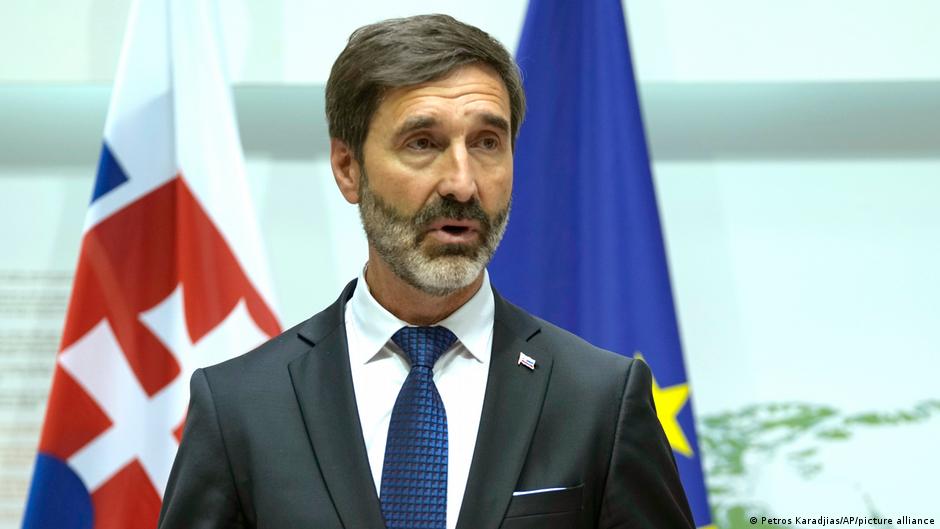
Slovakia has announced it will continue to block the European Union's proposed 20th sanctions package against Russia until it resumes receiving Russian oil through the Druzhba pipeline across Ukraine. This was affirmed on April 16 by Slovak Foreign Minister Juraj Blanár during a parliamentary session.
Strategic Leverage in EU-Russia Sanctions Framework
"If the Druzhba pipeline does not resume operation before the vote on the 20th sanctions package, we will not vote in favor," stated Blanár, underscoring Slovakia's strategic use of its vote within the EU's collective sanctions mechanism. He emphasized Bratislava's limited tools to compel Ukrainian President Volodymyr Zelensky and the European Commission to reopen the pipeline supply.
"Bratislava has no other instruments to force President Zelensky together with the European Commission to reopen the Druzhba pipeline," said Blanár.
The Druzhba pipeline, critical for delivering Russian oil to Central European countries including Slovakia and Hungary, ceased Russian oil deliveries at the end of January. Ukrainian officials attributed the stoppage to damage caused by a Russian drone attack on the pipeline's infrastructure within Ukrainian territory.
In mid-February, Slovakia declared a "state of emergency" in its oil sector due to the halted imports, signaling the economic and energy security implications of the pipeline disruption.
Slovakia and Hungary have charged Ukraine with delaying pipeline repairs, suggesting that Kyiv is using infrastructure issues as a pretext to stop oil transit. This dispute has had broader geopolitical ramifications, with Hungary’s Prime Minister Viktor Orbán vetoing the EU's sanctions package and blocking a substantial EU credit facility for Ukraine.
Despite these frictions, Blanár clarified that Slovakia will not oppose the European Union's substantial €90 billion credit support package to Ukraine, marking a nuanced position in balancing energy security concerns and broader European solidarity.
Peter Madjar, leader of Hungary's victorious "Tisza" party in recent parliamentary elections, pledged not to obstruct the multi-billion euro EU loan to Ukraine, although Budapest does not plan to contribute funds directly.
Earlier, Slovak Prime Minister Robert Fico threatened to take over Hungary’s role in blocking the EU credit if Orbán’s party lost power, highlighting the interconnectedness of Central European diplomacy and energy politics.
Following diplomatic and technical negotiations, Kyiv has agreed to accept EU assistance to repair the Druzhba pipeline. President Zelensky announced on April 14 that the pipeline could be operational by the end of the month, signaling a potential thaw in the energy supply impasse.
This ongoing stalemate reveals the complex interplay of national energy dependencies, EU cohesion, and geopolitical strategy amid the broader conflict involving Russia and Ukraine. For corporate strategists and executives in energy-dependent sectors, these developments necessitate close monitoring of supply chain risks, regulatory environments, and regional political dynamics that could impact operations and investment decisions.