Trump Demands Iran’s Enriched Uranium Stocks Be Destroyed in US or Under IAEA Oversight
Former President Trump calls for immediate removal or destruction of Iran’s uranium reserves to prevent nuclear weapons development.
Former U.S. President Donald Trump has issued a strong directive regarding Iran’s enriched uranium reserves, stating they should either be transported to the United States for destruction or eliminated on-site under International Atomic Energy Agency (IAEA) supervision. Trump made this declaration on his social media platform, Truth Social, highlighting the urgency of neutralizing what he described as a critical nuclear threat.
Strategic Implications for US-Iran Relations and Nuclear Non-Proliferation
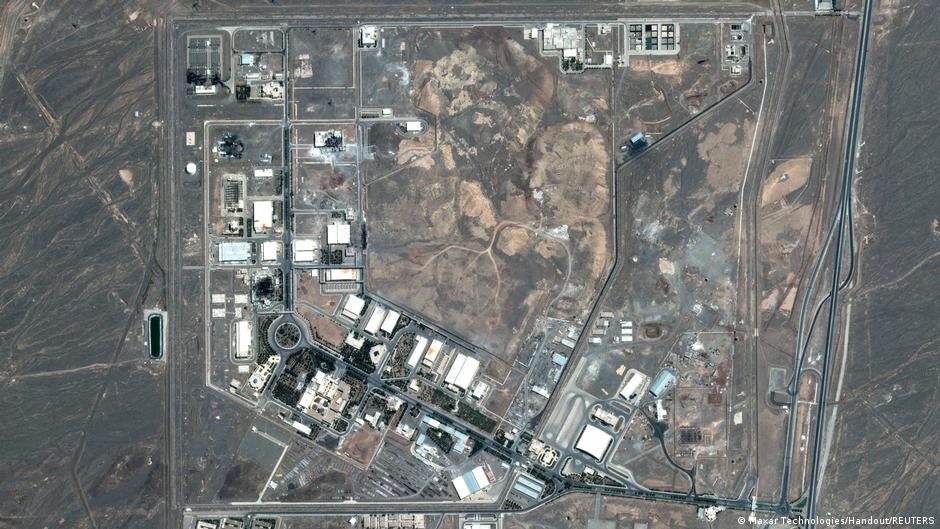
Trump emphasized that destroying Iran’s uranium stocks within Iran itself, without the complexities and risks of transportation, is the preferred solution. He referred to the enriched uranium as "nuclear dust," alluding to prior U.S. military strikes targeting Iran’s nuclear infrastructure. This rhetoric underscores the Trump administration’s hardline stance on Iran’s nuclear capabilities and reflects a potential readiness to escalate military or diplomatic pressure.
"Iranian enriched uranium reserves will be either swiftly removed to the U.S. for destruction or destroyed on-site under IAEA supervision," Trump wrote on Truth Social.
The United States, along with Israel, has been engaged in an ongoing conflict with Iran since late February, citing concerns over Tehran’s nuclear program as a key justification. Intelligence estimates suggest Iran currently holds over 440 kilograms of uranium enriched up to 60%, a level far exceeding civilian nuclear energy requirements.
These quantities are significant because uranium enriched to 60% is only a short technical step away from weapons-grade levels of 90%. This proximity raises alarms about Iran’s potential to develop nuclear weapons quickly, despite Tehran's repeated denials of any such intention. Iranian authorities have maintained that their nuclear program is solely for peaceful purposes but have indicated they may increase enrichment in response to further attacks.
To date, Iran has not officially confirmed any agreements involving the transfer of enriched uranium stocks to the United States or any third country. The logistics and diplomatic complexities surrounding such transfers pose substantial challenges, especially amid heightened tensions and ongoing confrontations in the region.
This latest demand by Trump signals a continued prioritization of direct action against Iran’s nuclear program within certain U.S. political circles. It also raises questions for corporate stakeholders in the nuclear energy sector, defense contracting, and international diplomacy, as executive decisions at the highest levels could shift the strategic landscape dramatically.
Moving forward, businesses involved in nuclear technology and international security intelligence will need to monitor these developments closely. The potential for increased sanctions, military engagements, or multilateral negotiations could all impact market stability, supply chains in the energy sector, and geopolitical risk assessments.