Trump Plans Putin Call as Russia Faces Questions Over Possible Plague Case
The White House move puts a potential public-health incident in Irkutsk into a broader frame of geopolitical risk and crisis management.
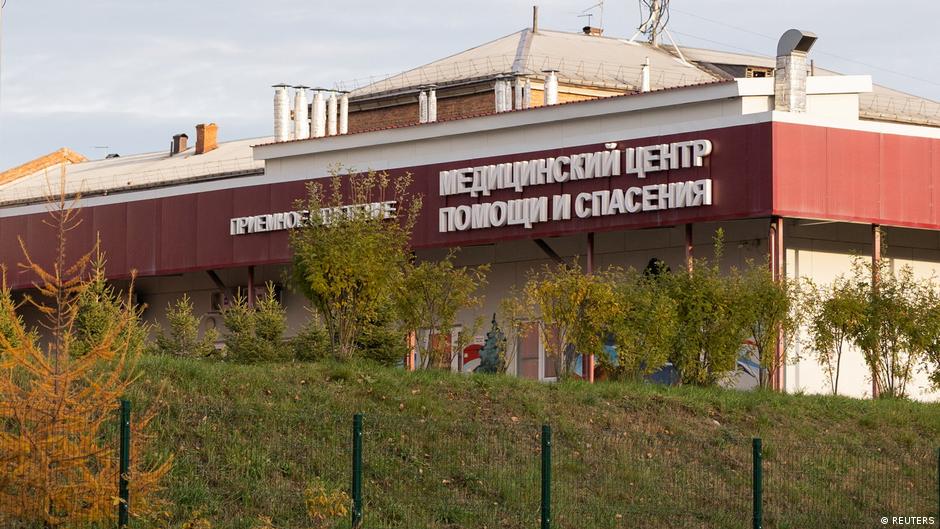
U.S. President Donald Trump plans to speak by phone with Russian President Vladimir Putin after reports that a 28-year-old laboratory worker at the Irkutsk Anti-Plague Institute may have died from plague, raising questions for health authorities, governments and companies with exposure to Russian operations.
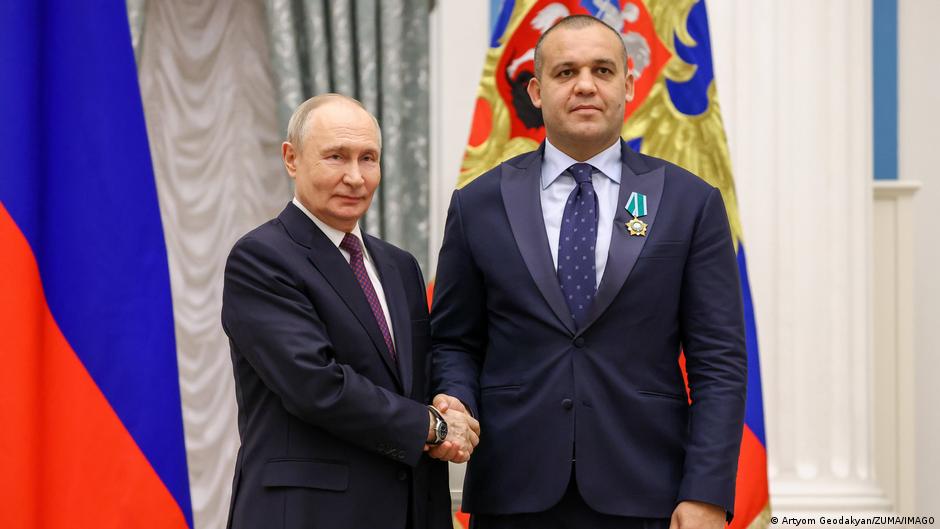
The planned conversation, disclosed by Trump at the White House on Tuesday, October 6, came in response to a reporter’s question about whether he had discussed the incident in Irkutsk with Putin. Trump said the two leaders had a call “scheduled” for the near future.
For Washington, the episode has moved quickly from a regional medical emergency into a matter of executive-level decision-making. Trump said on October 5 that the United States was “watching very closely” what was happening in Russia and signaled a willingness to assist. He said U.S. officials had “just heard about it” and that Russian authorities were calling the case pneumonia.
“Pneumonia used to be easier to treat, but germs and bacteria have become disproportionately stronger. But we will help them,” Trump said in response to a question about whether the White House would respond to the reports from Russia.
The World Health Organization has also entered the discussion. WHO Director-General Tedros Adhanom Ghebreyesus wrote on X overnight on October 7 that the organization was in contact with Russian health authorities and had offered technical support. He said Russian health officials told the WHO that no plague cases had recently been registered in the Irkutsk region.
According to Ghebreyesus, Russian authorities said an epidemiological investigation had been conducted, preventive and control measures had been taken, identified contacts had been placed under medical observation and tested, and no high-threat pathogens had been detected among those contacts. Russian officials also told the WHO that medical monitoring of all identified contacts had been completed.
Corporate risk enters the boardroom
The facts reported from Irkutsk remain limited and contested, but the response already carries implications beyond public health. For multinational companies, lenders, insurers and commodity buyers, the matter is a reminder that biological-risk events can quickly become boardroom issues when they involve Russia, cross-border scrutiny and uncertainty over official disclosures.
Executives managing Russia-related supply chains or industrial assets typically have to assess not only the direct health risk, but also the possible second-order effects: quarantine orders, workforce availability, transport interruptions, plant-level protective measures and reputational exposure. In this case, the industrial signal emerged quickly. At the Irkutsk Aluminum Plant, known as IrkAZ, in Shelekhov, a mask requirement was introduced, according to plant director Artem Fominykh, who reported the measure a day before the October 4 media report on hospital quarantines.
The local health and operational picture remains significant. Darya Shipilova, a 28-year-old laboratory assistant at the Irkutsk Anti-Plague Institute, died during the night of October 2 at the Shelekhov district hospital in the Irkutsk region. Alexey Tsydenov, the head of neighboring Buryatia, wrote on Max that plague was the cause of her death. He later edited the message, adding the word “possibly.”
Russia’s consumer-health regulator, Rospotrebnadzor, said Shipilova had been diagnosed with pneumonia of unknown cause. Igor Kobzev, the governor of the Irkutsk region, said there was suspicion of a “particularly dangerous infection,” without naming the suspected diagnosis.
The publication Lyudi Baikala reported on October 4 that Irkutsk city clinical hospitals No. 1, 3 and 10 had been closed for quarantine, along with a maternity hospital and the Ivano-Matreninskaya children’s clinical hospital. Those reported closures, combined with the plant-level mask mandate in Shelekhov, create the kind of operating uncertainty that corporate crisis teams are trained to monitor even before definitive medical conclusions are reached.
Information control and executive judgment
The WHO’s request for additional information is central to the business and policy reading of the incident. Ghebreyesus wrote that the organization had asked for more information to clarify the cause of severe pneumonia, the pathogen that prompted public-health measures, and to verify media reports about a second employee with pneumonia of unknown cause.
That request underscores a familiar problem for decision-makers: companies and governments often must act before the facts are fully settled. For a chief executive, board chair or risk committee, the issue is not simply whether a confirmed plague case has occurred. It is whether official statements, hospital precautions, industrial-site measures and international inquiries together point to a material risk that warrants contingency planning.
In that sense, Trump’s proposed call with Putin is both a diplomatic gesture and a management signal. A direct conversation between the U.S. and Russian presidents could clarify what Moscow is prepared to disclose, whether outside technical assistance will be accepted, and how seriously Washington views the matter. It could also influence how global institutions and companies calibrate their own response.
No public confirmation has been provided in the source material that a plague case occurred in the Irkutsk region. Russian health authorities told the WHO that no such cases had recently been registered there. At the same time, regional officials have referred to pneumonia of unknown cause and suspicion of a particularly dangerous infection, while the WHO is seeking further clarification.
For American business readers, the takeaway is less about immediate market shock than about governance under uncertainty. The combination of a fatal laboratory-worker case, quarantine reports, industrial precautions, a WHO inquiry and a planned Trump-Putin call places the episode squarely in the category of events that can test corporate preparedness, disclosure discipline and government-to-government channels at the same time.