Turkey Pursues Revival of Russia-Ukraine Peace Talks Amid Geopolitical Tensions
President Erdogan confirms Turkey’s active role in facilitating renewed negotiations between Russia and Ukraine to end ongoing conflict.
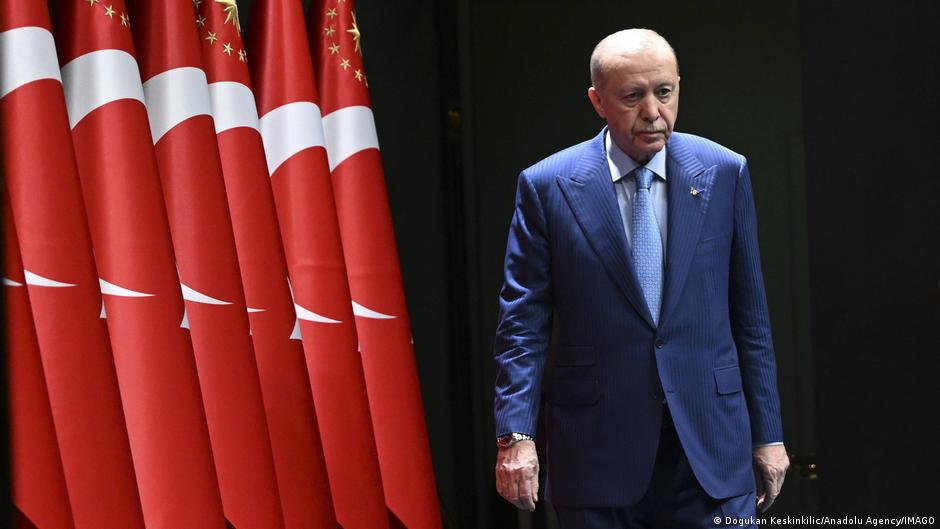
Turkey is intensifying efforts to restart peace negotiations between Russia and Ukraine, aiming to bring an end to the ongoing conflict that has disrupted regional stability. Turkish President Recep Tayyip Erdogan emphasized his country’s commitment to fostering dialogue at the highest leadership levels during a meeting with NATO Secretary General Jens Stoltenberg in Ankara on April 22.
Erdogan articulated Turkey’s strategic interest in concluding the war, stating, "We, Turkey, are interested in the war between Ukraine and Russia ending in peace, and we are working on resuming negotiations and initiating dialogue at the leaders’ level." This announcement marks a significant diplomatic initiative given the frozen state of talks since the escalation of hostilities.
Strategic Dimensions and Diplomatic Engagement
The Turkish leader’s statement came amid heightened global geopolitical tensions, including the unfolding conflict between the United States and Israel against Iran, which Erdogan warned is "beginning to weaken Europe." In a subsequent phone call with German President Frank-Walter Steinmeier, Erdogan reiterated Turkey’s dual role in mediating conflicts, underscoring efforts to negotiate durable peace agreements both with respect to Iran and the war in Ukraine.
"Turkey, as with Iran, is making efforts to end the conflict through negotiations and to achieve lasting peace following the war between Ukraine and Russia," Erdogan stated.
From a business perspective, the stabilization of the Russia-Ukraine situation is critical for global markets, particularly energy and commodity sectors, where Turkey plays a pivotal role as a regional hub and transit corridor. The resumption of diplomacy could signal decreased volatility, influencing corporate risk assessments and strategic planning for multinational corporations operating in Eastern Europe and Eurasia.
On the Ukrainian side, Foreign Minister Andriy Sybiha, speaking at the Antalya Diplomatic Forum held from April 17 to 19, conveyed Kyiv’s explicit request to Ankara to facilitate a high-level meeting between Presidents Vladimir Putin and Volodymyr Zelensky. Sybiha highlighted the hope that such a summit could be augmented by participation from Erdogan himself and former U.S. President Donald Trump, reflecting the complex interplay of international actors invested in the peace process.
Sybiha remarked, "We want to end this war. We have actionable proposals. We hope for the role Turkey can play in accelerating the peace process."
In response, Kremlin spokesperson Dmitry Peskov commented that a meeting between Putin and Zelensky would be conceivable "only to finalize agreements," a position consistent with previous official statements made as far back as mid-2025. This cautious stance underlines the challenging environment for diplomatic breakthroughs despite Turkey’s proactive mediation attempts.
For corporate leaders and boardrooms worldwide, the progression or stagnation of these negotiations bears significant implications. The potential de-escalation could enhance investor confidence, stabilize supply chains, and open opportunities for post-conflict reconstruction and investment. Conversely, continued hostilities sustain geopolitical risk premiums and operational uncertainties.
Turkey’s approach, balancing its NATO membership with independent diplomatic outreach, exemplifies a nuanced strategy that could redefine regional security architecture and influence multinational corporations’ engagement strategies in the contested spaces between Europe and Asia.