UK Grants Open-Ended License for Import of Russian-Origin Fuel via Third Countries
London authorizes indefinite import of diesel and aviation kerosene derived from Russian oil, impacting corporate energy sourcing strategies amid geopolitical tensions.
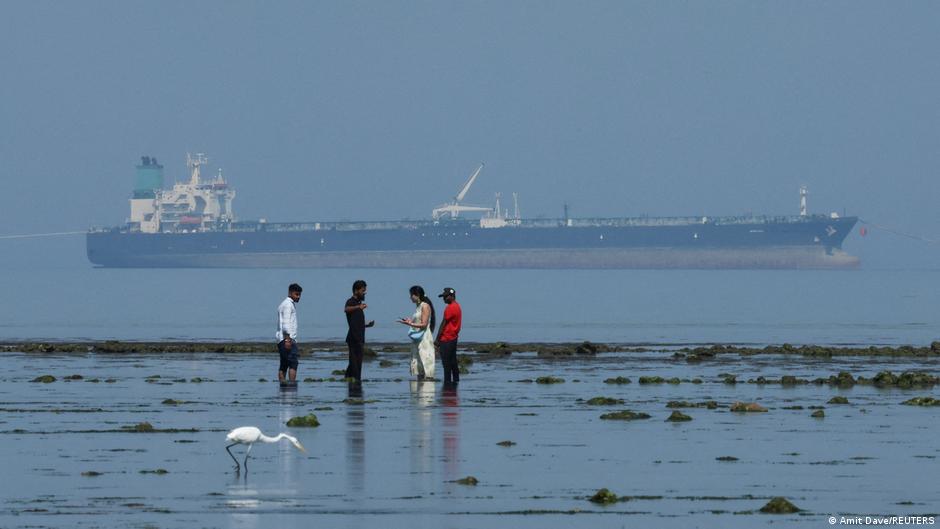
On May 19, the UK government announced the issuance of a perpetual license permitting the import of diesel fuel and aviation kerosene produced from Russian crude oil processed in third countries. This regulatory move takes effect from May 20 and represents a significant shift in the UK's energy import policy amidst ongoing geopolitical conflicts and sanctions regimes.
Strategic Implications for Energy Supply Chains and Market Dynamics
The indefinite license allows British companies to legally import petroleum products of Russian origin circumventing current sanctions directly targeting Russian crude. Although the license has no fixed expiration date, the government intends to conduct periodic reviews to assess its continued applicability and effectiveness.
This decision follows a pattern of adjustments by Western governments responding to complex global energy market disruptions. The increased fuel costs in the UK, exacerbated by the conflict involving Iran and allied nations, have placed heightened pressure on policymakers to ensure energy affordability and supply continuity for consumers and businesses alike.
"The government's move to permit imports of Russian-origin fuels via third countries is a calculated step to mitigate skyrocketing energy costs, balancing sanction enforcement with pragmatic supply chain management," said an energy sector analyst.
Just one day prior, the United States extended its own license authorizing maritime transport and sales of Russian oil and petroleum products exempt from sanctions. The U.S. Treasury emphasized that these exemptions primarily aim to aid vulnerable nations suffering from supply shortages amid the Iran conflict, signaling coordinated Western attempts to stabilize global energy markets without fully lifting restrictions on Russia.
Additionally, the UK government separately authorized maritime shipments of Russian liquefied natural gas (LNG) until January 1, 2027, further highlighting a nuanced approach toward Russian energy commodities amid ongoing geopolitical pressures.
It is important to contextualize this development within the UK's broader sanctions framework. The UK banned imports of Russian crude oil and coal in 2022 following Russia's full-scale invasion of Ukraine. In October 2025, as part of a comprehensive sanctions package aimed at dismantling Russia's "shadow fleet," the UK also outlawed imports of petroleum products derived from Russian oil processed in third countries. This recent licensing adjustment thus represents a calibrated relaxation designed to adapt to evolving market and geopolitical realities.
Market analysts note a significant resurgence in Russian petroleum product exports, driven by rising demand and elevated prices amid the US-Israel-Iran tensions. Bloomberg reports that Russian export revenues from petroleum products hit a peak since the Ukraine conflict began, averaging approximately $2.42 billion per week through early May.
The strategic reopening of several markets to Russian oil by Washington, in response to the blockade of the Strait of Hormuz, underscores a broader effort to alleviate supply bottlenecks and stabilize energy prices globally, even while sanctions remain firmly in place to restrict Russian fossil fuel revenues.