UN Faces Financial Crisis Amid Delayed Payments from US and China, Prompting Major Cost-Cutting Measures
The United Nations approaches insolvency due to withheld contributions from the US and China, forcing significant budget reductions and operational changes.
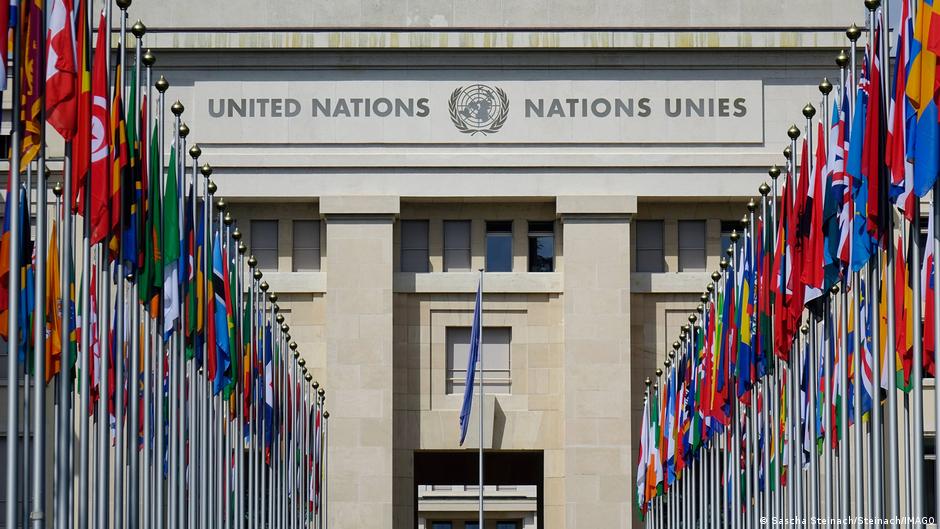
The United Nations (UN) is on the brink of bankruptcy as the United States and China delay payments that collectively account for 42% of the organization's budget, according to a report by The Wall Street Journal.
The US currently owes the UN over $4 billion, while China, despite a recent payment of nearly $850 million during Foreign Minister Wang Yi's visit to the UN headquarters in New York, still has $455 million outstanding. China has pledged to fulfill its financial obligations, describing itself as the "de facto main financial sponsor" of the UN.
US Demands Budget Cuts as a Condition for Funding
The US administration is conditioning future financial support on significant reductions in UN expenditures. Among the measures Washington is advocating are cuts to staffing levels, limiting business-class air travel, and increasing reliance on machine translation to reduce costs.
Other major donors are also scaling back funding. The UK and Germany have reduced allocations for humanitarian programs targeting hunger and disease. Sweden and the Netherlands have decreased payments due to political shifts to the right, further straining the UN's financial stability.
"The UN is in a 'race to bankruptcy' with a very real prospect of financial collapse," warned Secretary-General António Guterres in October 2025.
Secretary-General António Guterres has previously issued stark warnings about the organization’s financial trajectory, indicating that funds could be exhausted by mid-August. This looming crisis intensifies the urgency of selecting Guterres’ successor, which must be confirmed by the end of 2026.
Operational Implications and Cost-Reduction Strategies
Facing a severe funding shortfall, the UN has implemented drastic cost-cutting measures, including shuttering offices and eliminating a record 3,000 secretariat positions. Translator shifts have been reduced, escalators in offices turned off, and planned maintenance of the New York headquarters facade postponed.
The organization has accelerated troop withdrawals from conflict zones in Africa and sharply curtailed spending on peacekeeping operations. Payments to financially strapped troop-contributing countries such as Nepal and Bangladesh have also been deferred.
However, the UN's ability to respond is constrained by its governance structure. The organization cannot take on debt, and leadership has limited authority to restructure operations or dismiss staff; salaries comprise 70% of the budget. Illustratively, when the UN attempted to save $700,000 by closing a secured entrance to the headquarters, diplomats opposed the move and the checkpoint was reopened within two days.
The financial crisis at the UN underscores significant challenges in balancing member states’ political priorities with the operational and strategic needs of the organization. The delayed payments from the two largest contributors are forcing the UN to reexamine its budgeting, management practices, and long-term sustainability prospects.