US Arms Shipments to Europe Delayed Amid Urgent Restocking for Iran Conflict
Washington notifies European allies of significant delays in weapons deliveries as it prioritizes replenishing arsenals depleted by conflict with Iran.
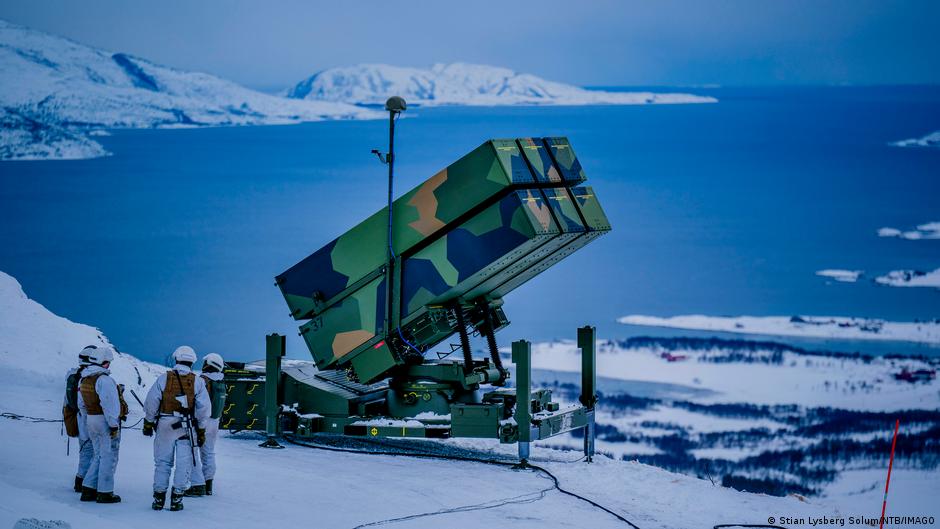
The United States has informed key European allies, including the United Kingdom, Poland, Lithuania, and Estonia, of substantial delays in the delivery of arms amid urgent efforts to replenish its own military stockpiles depleted by ongoing conflict with Iran, according to multiple sources reported by the Financial Times.
These delays specifically affect ammunition supplies for rocket systems such as NASAMS and HIMARS, as well as other missile platforms. Discussions are also underway to implement similar restrictions with Asian partners like Japan and South Korea.
Executive Decisions Reflect Shifting Strategic Priorities
The Pentagon is currently conducting a detailed assessment of new equipment requests from allies alongside existing arms transfers to ensure alignment with U.S. operational requirements. A Pentagon spokesperson acknowledged that the department is "carefully evaluating" these demands, underscoring the complexity of balancing support for partners while managing the strain on U.S. military resources.
"The urgent need to restore our own military capabilities in light of conflict with Iran has inevitably impacted our ability to meet commitments to European allies," a senior defense official said.
This development is seen as unwelcome news for Ukraine, which is in its fifth year of defense against Russian military aggression. A high-ranking Ukrainian official indicated that delays in U.S. weapons shipments have been a persistent issue since the outset of the U.S. and Israeli military conflict with Iran.
U.S. partners employing the NASAMS air defense system include Taiwan, Norway, Finland, Spain, the Netherlands, Lithuania, Indonesia, Australia, Hungary, Ukraine, Denmark, Qatar, and Oman. The HIMARS system is used by 14 U.S. allies and partners, among them Ukraine, Poland, and Estonia.
Meanwhile, despite the setbacks in arms deliveries to Europe, the U.S. State Department has approved arms exports and military services worth over $8.6 billion to four Middle Eastern allies: Israel, Qatar, Kuwait, and the United Arab Emirates. The largest portion of this package, approximately $4 billion, is allocated to Qatar, followed by $2.5 billion for Kuwait, about $1 billion for Israel, and roughly $150 million for the UAE.
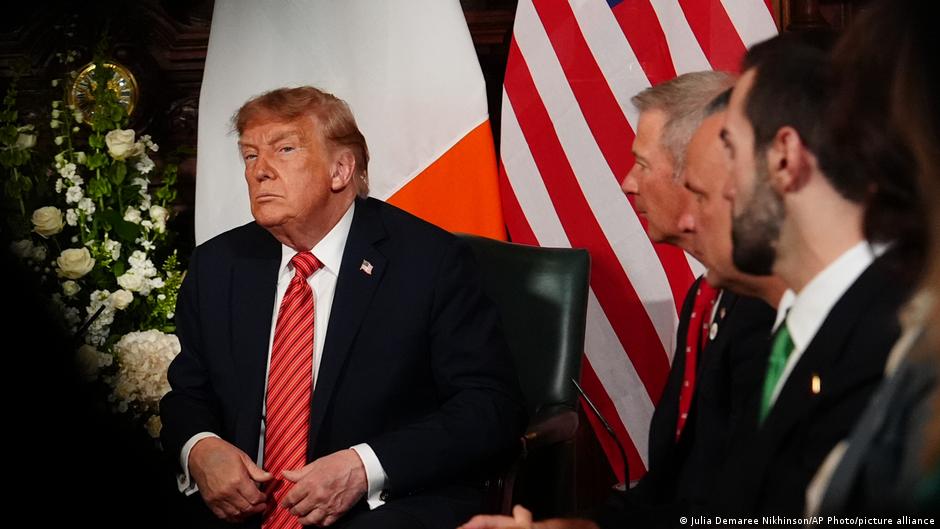
This arms export approval was expedited through an emergency procedure that bypasses the usual requirement for Congressional consent. This decision was justified by Secretary of State Marco Rubio, citing the "urgent necessity" arising from the ongoing conflict with Iran. Notably, former President Donald Trump has officially notified Congress that this military conflict has concluded, highlighting a complex and evolving strategic environment.
These developments illustrate the challenging trade-offs faced by U.S. defense policymakers as they balance commitments to transatlantic and Asian allies with pressing operational needs stemming from conflicts in the Middle East. The strategic recalibration has significant implications for executive decision-making, alliance dynamics, and future arms procurement and distribution strategies.