US Expands Sanctions on Cuban Leadership Including President Diaz-Canel and Castro Family
Washington intensifies economic pressure on Cuba by targeting top officials amid deteriorating bilateral relations.
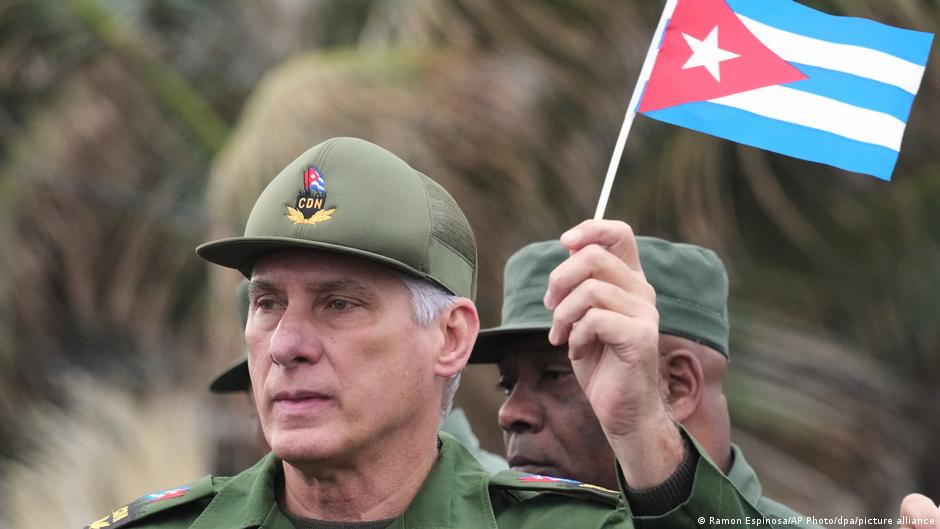
The United States government has escalated its sanctions regime against Cuba, extending economic restrictions to include President Miguel Diaz-Canel and members of the Castro family. This development marks a significant intensification of Washington's pressure campaign amid ongoing tension between the two countries.
Sanctions Target Key Cuban Figures Amid Political Strain
On June 4, the U.S. Treasury Department announced new sanctions directed at Cuban President Miguel Diaz-Canel, his wife, and stepson, as well as Raul Castro's son and one of his grandchildren. Raul Castro, the brother of revolutionary leader Fidel Castro, while no longer holding official positions, continues to wield considerable influence in Cuba’s political decision-making.
"The United States continues to target Cuba's leadership to increase pressure amid worsening diplomatic relations."
These recent sanctions follow earlier moves by the U.S. State Department, which imposed restrictions on Diaz-Canel last July. The Treasury's expanded measures signify a strategic tightening designed to penalize Cuba’s ruling elite directly.
Raul Castro, aged 95, was charged by U.S. authorities last month for alleged involvement in the 1996 bombing that destroyed two civilian aircraft, killing four people. This accusation adds a legal dimension to Washington's pressure tactics, complicating Cuba’s international standing.
Implications for Cuba’s Economic and Political Landscape
The sanctions come amid a backdrop of historic challenges for Cuba’s economy, including its worst crisis since the Soviet Union's collapse. The island nation faces acute shortages in electricity and fuel, exacerbated by the loss of Venezuelan oil supplies following the U.S.-backed removal of Venezuelan President Nicolas Maduro earlier this year.
Geographically proximate to Florida—approximately 145 kilometers away—Cuba remains subject to a longstanding U.S. economic embargo initiated in 1962. The renewed sanctions reflect a broader U.S. strategy to intensify economic constraints and political isolation of Havana.
The Cuban government has accused Washington of seeking pretexts for military intervention. Meanwhile, former U.S. President Donald Trump frequently warned of direct control over Cuba, signaling a hardline stance that persists in the current administration's policies.
For American businesses and international investors, the expanded sanctions pose increased risks and uncertainties. The targeting of Cuba's top officials underlines the challenges companies face when engaging with the Cuban market, which remains tightly controlled and vulnerable to geopolitical shifts.
As the U.S. continues to employ economic and legal measures against Cuba’s leadership, the island’s prospects for economic recovery and political reform remain constrained. Corporate strategies must account for these evolving risks as Washington leverages sanctions to influence Cuba's future direction.