U.S. House Passes Resolution Restricting President’s Authority to Wage War on Iran Without Congress Approval
The House of Representatives votes to limit President Trump’s unilateral military actions against Iran, signaling a shift in congressional oversight and bipartisan support.
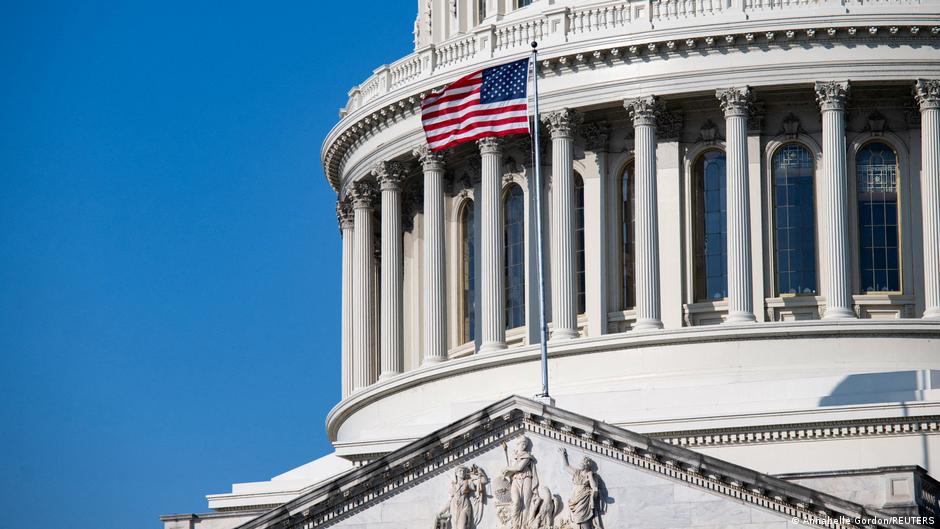
The U.S. House of Representatives has, for the first time, passed a resolution aimed at restricting President Donald Trump from continuing military operations against Iran without obtaining explicit congressional approval. This legislative move marks a significant assertion of congressional authority over war powers, underscoring growing bipartisan concern about executive overreach in foreign military engagements.
On June 3, the House approved the resolution with 215 votes in favor and 208 opposed. While the majority of support came from Democrats, four Republicans joined in backing the measure, highlighting emerging divisions within the president’s party. This vote represents the House’s first formal challenge to the White House’s stance on the ongoing conflict with Iran.
Congressional Oversight and Shifting Political Dynamics
Observers note that support for military action against Iran appears to be waning even among some Republicans aligned with President Trump. Earlier in May, the Senate narrowly supported a similar resolution requiring the president to cease war activities against the Islamic Republic without congressional authorization. That vote was 50 to 47, with three Republicans absent due to campaign commitments, making full Senate approval uncertain.
“The passage of this resolution signals a critical reassertion of Congress’s constitutional role in decisions of war and peace, marking a pivotal moment in American foreign policy governance.”
Historically, Republican lawmakers have blocked attempts to advance such resolutions. In fact, this year alone, seven proposals aimed at limiting presidential war powers regarding Iran were halted in the Senate. The March vote followed the initiation of military operations by the U.S. and Israel targeting Iranian interests. Similarly, the House had previously seen three Republican-led blocks on related measures.
Despite the House’s approval, the path forward remains uncertain. Media outlets and political analysts widely predict that President Trump is likely to veto the resolution if it reaches his desk, citing executive authority over military decisions.
Legal Framework and Current Military Engagements
The resolution is framed within the context of the War Powers Act of 1973, which limits the president’s ability to conduct military operations without Congress’s consent to a 60-day period. After this window, the president must either end military action or seek formal congressional authorization.
President Trump notified Congress on May 1, 2026, that the 60-day period had ended and indicated the conflict with Iran was concluded. However, hostilities have persisted. On the night of May 3, Iran’s Islamic Revolutionary Guard Corps launched missile and drone strikes against U.S. bases in Kuwait and Bahrain. In response, U.S. forces targeted an Iranian military installation on Qeshm Island in the Strait of Hormuz.
White House officials maintain that negotiations with Iranian leadership continue in pursuit of ending hostilities, though military operations remain active. This unresolved state of conflict continues to raise questions about executive transparency and accountability in conducting foreign military engagements.
For corporate executives and board members, this evolving legislative backdrop presents implications for business risk assessment, particularly for companies with exposure to defense contracting, energy markets, and geopolitical stability. The increased congressional check on presidential war powers may signal a shift toward more measured and accountable U.S. foreign policy decisions that could impact global markets and corporate strategies.