US Imposes Sanctions on Cuba’s State Oil Company Amid Escalating Diplomatic Tensions
Washington targets Cuba’s Union Cuba Petroleo (CUPET) to curb communist regime’s control over energy resources.
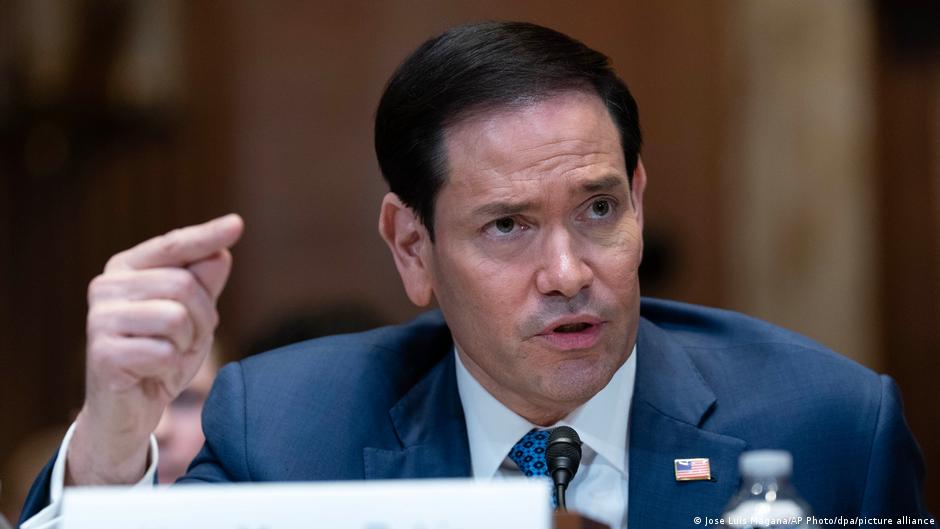
The United States government has expanded its sanctions regime against Cuba by targeting the country’s state-owned oil and gas company, Union Cuba Petroleo (CUPET), marking a significant escalation in economic pressure aimed at the communist regime. The announcement was made by U.S. Secretary of State Marco Rubio, highlighting the strategic importance of energy sector controls in the ongoing geopolitical conflict.
Sanctions Targeting Energy Sector and Political Elite
Rubio, a key figure in formulating U.S. policy towards Cuba, explained that the sanctions are intended to disrupt the Cuban communist elite’s use of energy resources as tools for social control and kleptocratic profit. CUPET has been officially added to the U.S. Treasury Department’s Specially Designated Nationals (SDN) list, effectively prohibiting American individuals and entities from conducting any business with the company.
The sanctions extend beyond U.S. citizens, warning international actors that engagement with CUPET could trigger secondary sanctions. This broad approach aims to isolate Cuba’s energy sector and undermine the government’s ability to finance its repressive apparatus.
"As long as the Cuban people do not gain greater economic and political freedom and opportunity, the United States will continue to strike at the communist regime's capacity to exploit energy trade to advance its corrupt agenda and brutal repression," Rubio stated on social media.
The move follows a series of targeted sanctions by the Biden administration, including measures against Cuban President Miguel Díaz-Canel and relatives of former leader Raúl Castro. These sanctions reflect a broader U.S. strategy to pressure the Cuban government through economic means while voicing support for democratic reforms.
Broader Geopolitical Context and Economic Impact
Cuba’s economic crisis, intensified by the sharp reduction of Venezuelan oil supplies after the capture and extradition of Nicolás Maduro by U.S. forces earlier this year, has created acute shortages of fuel and electricity on the island. The disruption of Venezuela’s oil shipments—previously Cuba’s primary source of energy imports—has compounded the impact of longstanding U.S. embargoes dating back to 1962.
The White House’s recent sanctions against Cuban political figures and entities underscore a coordinated effort to cripple the regime’s revenue streams. They also carry significant implications for multinational energy companies and international investors assessing risks in the Caribbean region.
U.S. officials have emphasized that these measures will remain in place until meaningful political and economic freedoms are established for the Cuban people, signaling a continued stance of maximum pressure rather than engagement.