US Justice Department Charges Raul Castro Over 1996 Killings, Raises Diplomatic Stakes
The US accuses former Cuban leader Raul Castro of conspiracy to murder four American pilots, amid escalating geopolitical tensions.
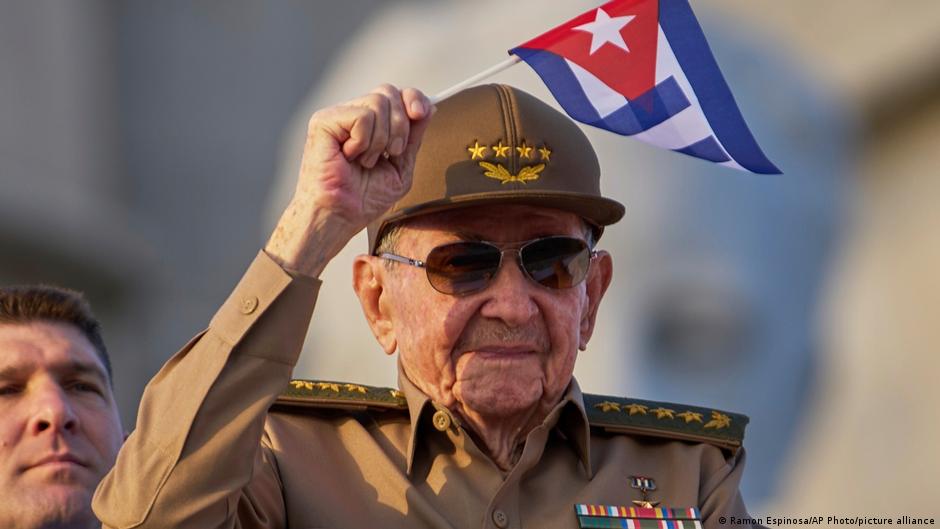
The United States Department of Justice has formally charged former Cuban leader Raul Castro with the 1996 killing of four American pilots who were attempting to rescue Cuban refugees at sea. Acting Attorney General Todd Blanch announced the charges on May 20 in Miami, signaling a dramatic escalation in the fraught US-Cuba relationship.
Background and Legal Context
The charges relate to an incident over three decades ago when Cuban fighter jets shot down two planes operated by Brothers to the Rescue, a Miami-based organization of Cuban exiles that aided refugees fleeing Cuba by sea. All four Americans aboard the planes were killed.
At the time, Raul Castro was Cuba's Minister of Defense. The Cuban government defended the shootdown as a lawful response to an airspace violation, though the International Civil Aviation Organization later concluded the planes were downed over international waters.
"My message is clear," said Acting Attorney General Blanch. "The United States and President Trump will not forget their citizens."
The 94-year-old Castro faces charges of conspiracy to murder US citizens. The Department of Justice indicated the case is largely symbolic, but warned that if Castro does not appear voluntarily, he may be forcibly brought to the United States to face trial.
Geopolitical and Corporate Implications
This legal move comes amid a period of heightened tensions between Washington and Havana, following the US-backed removal of Venezuela's Nicolas Maduro, Cuba's regional ally, and the imposition of an energy blockade on Cuba. The Trump administration has expressed clear intentions to exert greater control over the Caribbean island, reversing earlier rapprochement efforts initiated under President Obama.
Raul Castro, brother of Fidel Castro and a key figure in Cuba's revolutionary leadership, was involved in historic diplomatic openings with the US in 2015 before subsequent policy reversals. He stepped down from formal leadership roles in 2018 but remains a symbolic figure in Cuba's ruling elite.
The current charges may have implications beyond justice and diplomacy. US companies and multinationals assessing investments or partnerships in the Caribbean must factor in the unpredictability of US-Cuba relations and potential risks of further sanctions or legal actions. The case also underscores the Trump administration’s readiness to leverage legal tools to advance geopolitical objectives, impacting boardroom decisions related to market entry, compliance, and risk management.
Political Messaging to Cuba
In a related development, US Senator Marco Rubio, a son of Cuban immigrants, released a video address urging the Cuban people to reject their socialist leadership. Rubio framed the Trump administration’s policy as offering a "new path" for Cuba’s future but emphasized that the entrenched ruling elite continues to oppress the population.
As Raul Castro remains in Cuba with no indication of willingness to leave or face extradition, the US move may increase pressure on the island’s government, potentially influencing internal power dynamics and economic strategies.
For executives and investors, the unfolding legal and diplomatic developments highlight the complex interplay of international law, political risk, and economic opportunity in the Caribbean region.