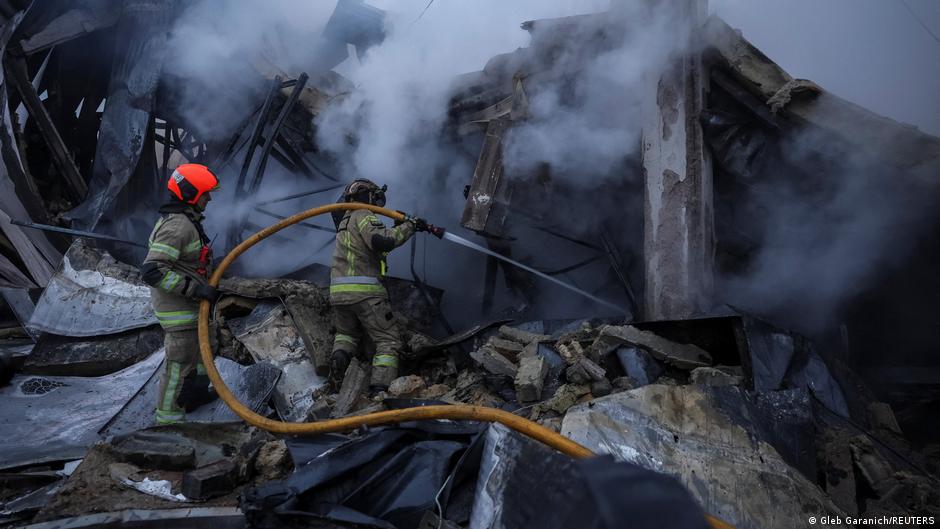
US Military Strikes Resume in Iran Amid Rising Tensions and Strait of Hormuz Closure
Renewed US airstrikes on Iran prompt Tehran to close the strategic Strait of Hormuz and retaliate against US bases in the Gulf region.
On June 10, the United States Armed Forces resumed airstrikes targeting locations within Iran, escalating tensions in the Persian Gulf region. The Central Command of the US military (CENTCOM) stated these operations were conducted as a response to "unprovoked and ongoing Iranian aggression." The military operation commenced at 17:15 Eastern Time (23:15 Berlin time) shortly after US President Donald Trump announced the planned strikes.
US Secretary of Defense Pete Hegseth further emphasized the strikes were intended not to instigate war, but to create conditions conducive to negotiations and agreements with Iran.
Iran’s Retaliation and Strategic Response
Following the US attacks, Iranian forces reportedly launched counterattacks against American military bases across the Persian Gulf and in Jordan, utilizing ballistic missiles as part of their response. Kuwaiti air defense units were activated amid these developments, and Bahrain experienced renewed air raid sirens.
Iranian state media reported explosions near several locations including the cities of Minab, Sirik, Bandar Abbas (close to a military base and airport), and Gorgan port city, underscoring the geographic spread of the conflict’s immediate impact.
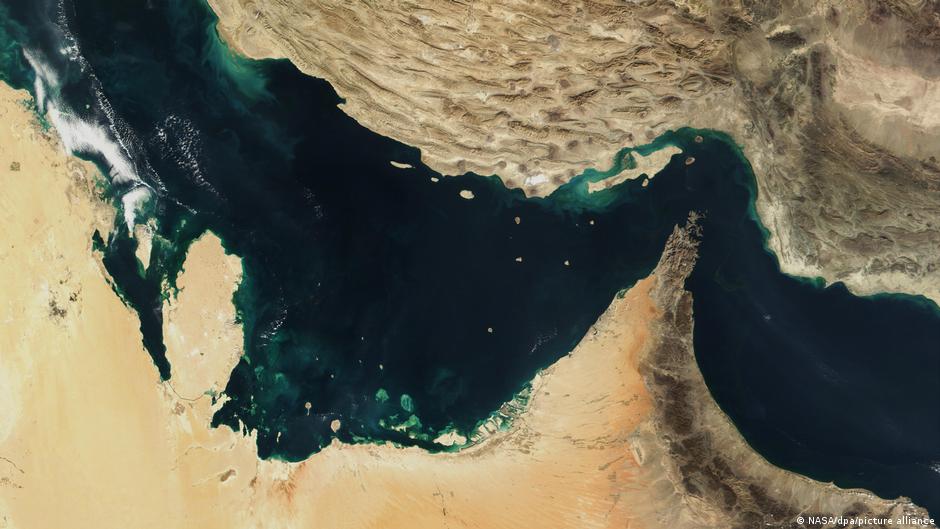
“Any vessel attempting to navigate through the Strait of Hormuz will be targeted,” declared the Iranian military command, citing a significant security deterioration following US airstrikes.
In a critical strategic move, Iran announced the complete closure of the Strait of Hormuz — a vital international waterway through which a significant portion of the world’s oil supply is transported. Iranian military leadership justified this measure as a response to the altered security environment resulting from US military actions. Shortly after the announcement, Iranian state television confirmed that Iranian forces had opened fire on two vessels attempting to cross the strait.
However, CENTCOM contested claims of a total closure, affirming that commercial ships continue to transit through the Strait of Hormuz, indicating contested control over this crucial maritime corridor.
Business and Geopolitical Implications
The renewed hostilities between the US and Iran could have a profound impact on global energy markets and international trade. The Strait of Hormuz is a strategic chokepoint, accounting for nearly 20% of global oil trade; its closure threatens to disrupt supply chains and increase volatility in oil prices.
For American and multinational corporations involved in energy, shipping, and geopolitically sensitive markets, the escalation demands close monitoring and strategic risk assessment. Corporate boards and executive leadership must evaluate potential disruptions in supply chains, shifts in regulatory environments, and anticipate evolving geopolitical risks that could affect operations and investments in the Middle East.
Furthermore, the increasing militarization of the region poses challenges for companies relying on maritime logistics through the Gulf. Potential insurance cost increases and security measures must be factored into strategic planning.
As the situation unfolds, businesses with exposure to Middle Eastern markets or global energy dependencies will need to adjust their strategies and contingency plans accordingly.