US Senate Advances Resolution to Limit President's War Powers on Iran Conflict
Senate moves to require congressional approval for further military actions against Iran, challenging executive authority under War Powers Act.
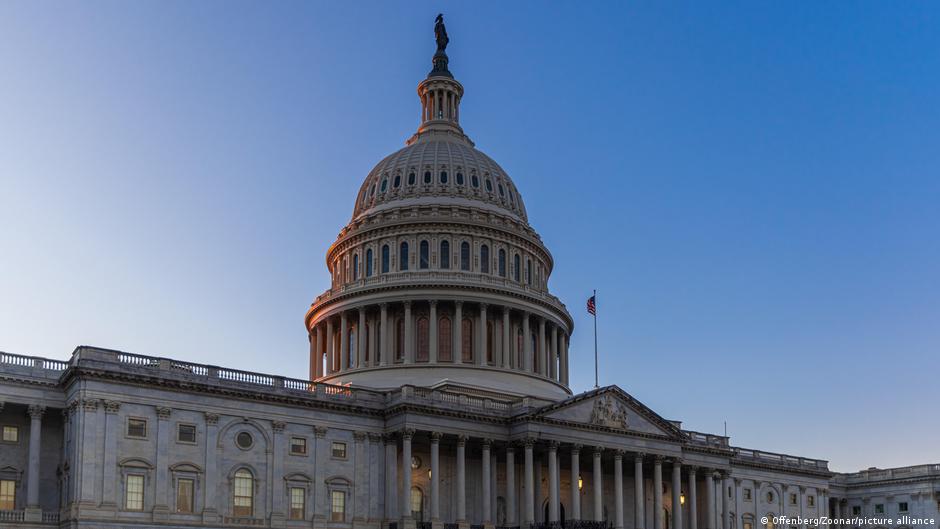
On May 19, the United States Senate voted to advance a resolution compelling President Donald Trump to either end military operations against Iran or obtain explicit congressional authorization before undertaking further military actions. This move represents a significant challenge to the executive branch's unilateral war powers and raises important implications for future U.S. military and foreign policy strategies.
Senate Pushes Back on Executive Military Authority
The procedural vote in the Senate passed narrowly, with 50 senators in favor and 47 opposed. The resolution obligates the president to seek congressional approval before initiating or continuing military operations against Iran. While the resolution's passage in full Senate remains uncertain—partly due to the absence of three Republican senators engaged in election campaigns—the advancement marks a pivotal effort to reinforce legislative oversight over warfare decisions.
"This is the ideal time for discussion before we enter another war," said Senator Tim Kaine, a Democrat who spearheaded the procedural vote. "The president is receiving peaceful and diplomatic offers that he’s discarding without sharing with Congress."
Senator Kaine’s remarks underscore growing concerns in Congress regarding the administration’s approach to the conflict with Iran, particularly the perceived unilateral decision-making bypassing legislative input.
Previously, Republican senators blocked seven attempts earlier this year to advance similar resolutions. These efforts followed the initiation of coordinated U.S. and Israeli military operations targeting Iranian assets. The resolution also encountered resistance in the House of Representatives, having been blocked multiple times by Republicans.
Legal Framework and Strategic Implications
The action relates directly to the War Powers Act of 1973, a legislative measure designed to restrict the president's authority to engage in armed conflict without congressional consent. According to the Act, the president can conduct military operations for up to 60 days without congressional approval but must seek formal authorization or terminate hostilities thereafter.
On May 1, 2026, marking the end of the 60-day period for the current conflict with Iran, President Trump notified Congress that the war was "ended." However, in practice, U.S. forces have continued to blockade Iranian ports and engage Iranian naval vessels, suggesting ongoing hostilities despite the notification.
For executives and corporate boards, these developments highlight the persistent volatility in U.S.-Iran relations and the importance of monitoring geopolitical risks. Companies with exposure to global supply chains, energy markets, or defense contracting may face uncertainties from potential escalations or shifts in U.S. foreign policy strategy.
The Senate’s initiative to assert greater congressional control over military engagements reflects broader debates over the balance of power between the executive and legislative branches, with significant ramifications for U.S. strategic posture and international business environments.