Zaporizhzhia Nuclear Plant Loses External Power Supply Amid Ongoing Conflict, Raising Strategic Concerns
The Zaporizhzhia nuclear power plant lost external electrical supply for the 23rd time since Russia's invasion, forcing reliance on emergency diesel generators for critical systems.
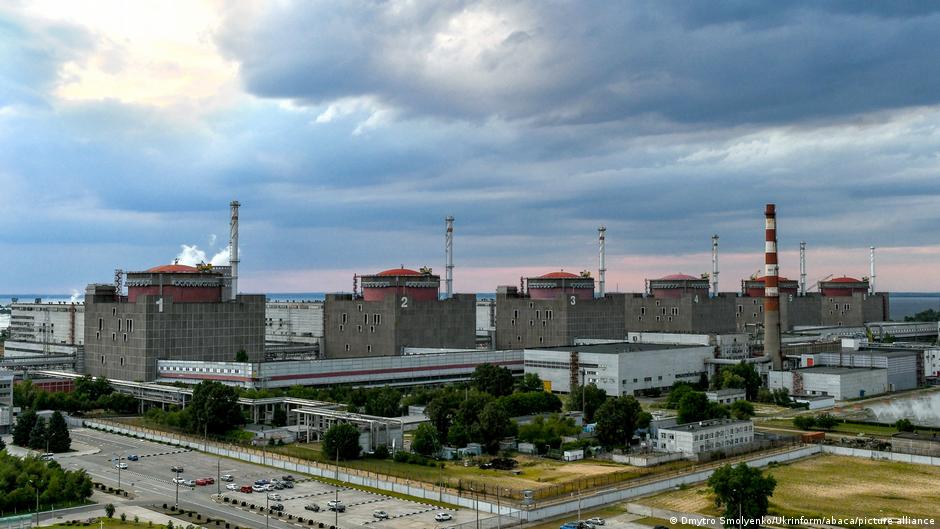
The Zaporizhzhia nuclear power plant (ZNPP), located in Russian-occupied southeastern Ukraine, lost its external electrical power supply for the 23rd time since Russia's full-scale invasion began. The International Atomic Energy Agency (IAEA) reported that emergency diesel generators temporarily powered essential cooling systems and other critical equipment for nearly two hours.
Repeated Power Outages Highlight Risks to Critical Infrastructure Amid Military Tensions
On August 1, IAEA Director General Rafael Grossi confirmed the outage, emphasizing that while emergency protocols prevented immediate danger, the repeated interruptions amplify concerns regarding nuclear safety in an active conflict zone. The precise cause of the latest power loss on the remaining external line remains unknown, with investigations ongoing.
"The reliance on backup power for nearly two hours underscores the precarious situation at the plant and the urgent need for stable and secure energy connections," Grossi stated.
In addition to power instability, the IAEA has reported intensified military activities near the plant and the nearby city of Enerhodar, where much of the plant's workforce resides. The agency noted prolonged internet outages and water supply disruptions, conditions that compound operational challenges and increase risks for nuclear safety management.
Since April 2022, the Zaporizhzhia plant has been under the control of Russian military forces occupying part of Ukraine’s territory. This occupation has raised significant geopolitical and energy security considerations, especially given Russia’s interest in integrating the plant into its own energy infrastructure.
Strategic Implications for Regional Energy Networks and Corporate Nuclear Operations
Satellite image analysis by Ukrainian Greenpeace experts indicates ongoing construction of a high-voltage power line along the M18 highway, connecting Melitopol and Henichesk—cities under Russian control. This infrastructure effort appears aimed at linking Zaporizhzhia’s power output to the electricity grid of Russia-occupied Ukrainian territories, including Crimea, as well as southern regions within Russia itself.
Jan Vande Putte, a nuclear energy specialist at Greenpeace Ukraine, suggests that the Russian state nuclear corporation Rosatom views the Zaporizhzhia plant as a cost-effective alternative to building new nuclear reactors in Russia’s Rostov and Krasnodar regions. This approach could significantly influence future energy strategies and nuclear asset management within the broader Russian nuclear sector.
However, the feasibility of this integration faces operational setbacks. Notably, a series of Ukrainian drone strikes on a substation in Henichesk in early July 2026 temporarily disrupted plans to connect the Zaporizhzhia plant to the Russian power grid, highlighting the vulnerability of infrastructure amid ongoing hostilities.
For corporate leaders and energy executives, the situation at Zaporizhzhia underscores the complex intersection of geopolitical conflict, infrastructure resilience, and nuclear safety governance. Decisions regarding energy supply, risk mitigation, and strategic asset control in contested regions demand heightened scrutiny and adaptive strategies.
As the conflict endures, monitoring developments at this critical energy site will remain essential for understanding broader implications on regional power dynamics and international nuclear regulatory frameworks.