Belarus Advises Citizens to Avoid Travel to Russia Amid Drone Attacks in Border Areas
Security Council Secretary warns of ongoing risks to Belarusian travelers in Russian border regions due to Ukraine conflict.
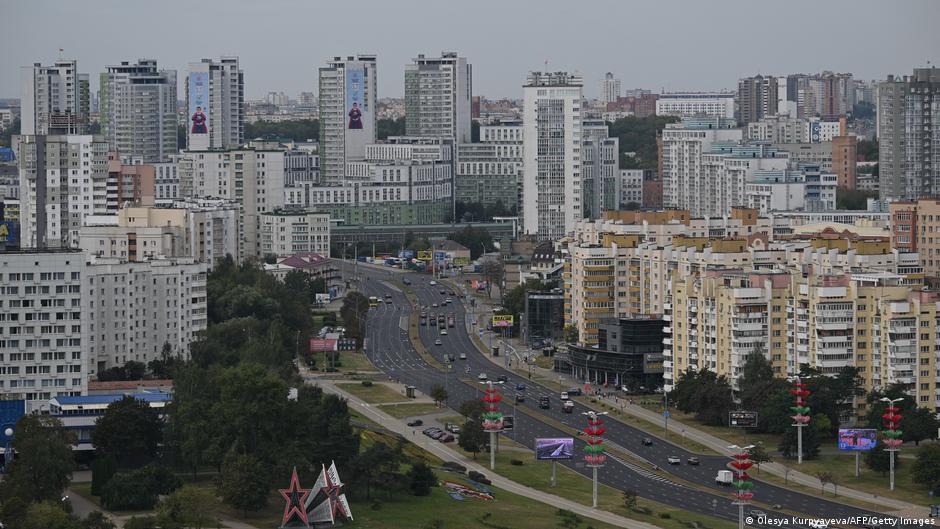
Belarusian authorities have issued a strong advisory urging their citizens to refrain from traveling to Russia, particularly to regions near the shared border, amid escalating security concerns linked to the ongoing conflict in Ukraine. Alexander Volfovich, Secretary of the Security Council of Belarus, emphasized that until the war concludes, no guarantees of safety can be provided for such trips.
Security Risks in Russian Border Areas
Volfovich's recommendation follows recent incidents involving drone attacks targeting buses carrying Belarusian citizens in Russia's Bryansk region, close to the Belarus-Russia border. These attacks have raised alarm in Minsk, compelling officials to caution the public about the heightened dangers of traveling to these areas.
"We advised multiple times, including by the President, for Belarusian citizens to avoid travel to Russia, especially to border regions where drones frequently fall and dangerous incidents occur daily," said Volfovich.
Despite these warnings, the Belarusian government has not closed the border, leaving the decision to travel at individuals' discretion. However, the risks have become more pronounced following two recent drone strikes on buses carrying Belarusian nationals.
Details of Recent Incidents and Their Implications
On June 17, a drone strike hit a bus transporting a children's football team from Gomel, Belarus, on its way to a resort city on the Russian Black Sea coast. The vehicle was carrying 44 passengers, including 28 children. The attack resulted in the death of a female chaperone and injuries to six others, including four children. Belarusian and Russian authorities blamed Ukraine for the strike and demanded explanations from Kyiv.
The Ukrainian General Staff denied responsibility, asserting that no drone operations were conducted in the Bryansk region during the period in question and labeled the accusations as a Kremlin disinformation effort.
More recently, on July 2, another drone attack targeted a bus traveling from Minsk to Anapa. This incident resulted in injuries to two drivers and one passenger, who were hospitalized in Gomel. The remaining 18 passengers were unharmed. Bryansk regional authorities again attributed the attack to Ukrainian forces.
Corporate and Strategic Considerations for Belarusian Entities
These security developments carry significant implications for Belarusian businesses and institutions with cross-border operations or logistics involving Russian territory. Travel advisories and escalating conflict-related risks necessitate reassessment of corporate travel policies, supply chain routes, and employee safety protocols.
Furthermore, the Belarusian government's stance underscores an environment of uncertainty, which could affect strategic partnerships and investments involving Russian border regions. Organizations should closely monitor the evolving geopolitical situation and potential disruptions to transportation and economic activities.
Secretary Volfovich also highlighted that the bus targeted on July 2 was not part of any organized group excursion but rather comprised private travelers heading to vacation destinations. He reminded citizens of domestic leisure options within Belarus as safer alternatives during this period of instability.
Outlook Amid Ongoing Conflict
Until hostilities in Ukraine cease, Belarusian officials are prioritizing citizen safety by discouraging travel to volatile border zones. The situation presents complex challenges for business leaders who must balance operational needs against emerging security risks and geopolitical uncertainties.