CIA Director: Russian Soldier’s Average Survival on Ukraine Battlefield Is 20-30 Minutes
CIA highlights AI-driven drones as critical factor in steep rise of Russian troop casualties in Ukraine conflict.
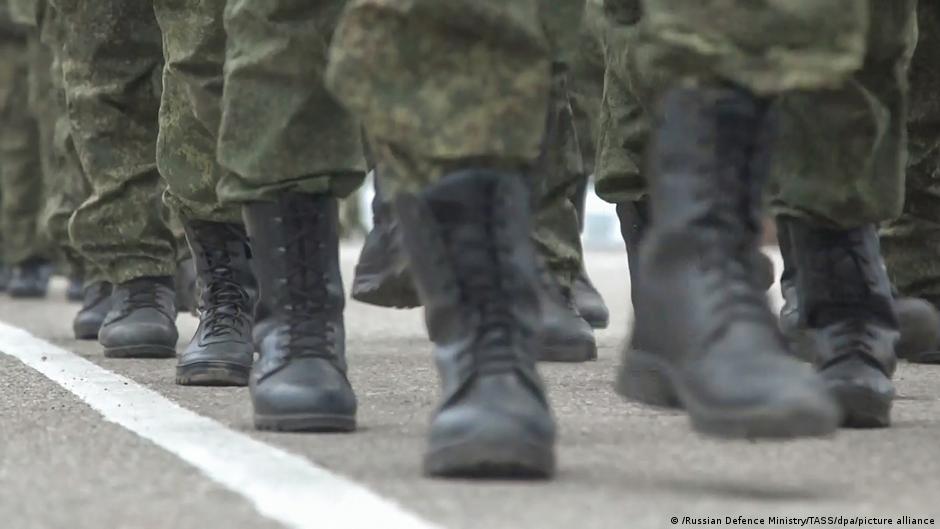
John Ratcliffe, Director of the Central Intelligence Agency (CIA), revealed at a defense and innovation summit in Pennsylvania on July 15th that the average lifespan of a newly deployed Russian soldier on the battlefield in Ukraine is only 20 to 30 minutes. This alarming statistic underscores the lethal impact of advanced military technologies, particularly the increasing use of AI-powered unmanned aerial vehicles.
AI-Enabled Drones Transform Battlefield Dynamics
Ratcliffe explained that intelligence data corroborates open-source reports emerging from Ukraine, indicating that the introduction and deployment of specialized, cost-efficient AI drones have drastically escalated Russian casualties. "These AI drones have become specialized and inexpensive killing machines," he said, emphasizing how such technological advancements have shifted the balance on the ground.
"The mastery of new technologies by Ukraine has been a powerful equalizer, leading to a significant slowdown in the Russian military’s advance." – John Ratcliffe, CIA Director
This technological edge has not only increased the lethality faced by Russian conscripts but also substantially impeded the momentum of Russian military operations in the region.
Mounting Russian Military Losses and Strategic Implications
According to analysts at the Center for Strategic and International Studies (CSIS), a Washington-based think tank, the Russian armed forces have suffered losses at a rate eight times higher than Ukrainian forces as of 2026. The CSIS research estimates that since the full-scale invasion began in February 2022, roughly two million military personnel have been killed, wounded, or reported missing, with about 1.4 million accounted for on the Russian side.
Historically, casualty ratios between Russian and Ukrainian forces ranged between 2:1 and 3:1, but in the first half of 2026, this ratio reportedly surged to 8:1. The dramatic increase is largely attributed to the effectiveness of drone strikes, which are responsible for over 90 percent of Russian casualties, rather than conventional direct combat engagements.
These figures highlight the profound consequences for Russian military strategy and personnel policy. The high turnover and attrition rates among Russian conscripts could influence recruitment practices, morale, and command decisions, pressing Russian military leadership to reassess operational tactics and resource allocation under intense technological pressure.
Boardroom and Policy Considerations
The emergence of AI-driven warfare tools like unmanned drones introduces complex challenges for defense contractors, military planners, and policymakers globally. For American and allied defense firms, there is an urgent impetus to innovate and integrate cutting-edge technologies that can counteract or mirror these capabilities. Meanwhile, strategic decision-makers must consider the implications of rapid technological evolution on conflict dynamics, force sustainability, and geopolitical stability.
As Ratcliffe’s observations reveal, the battlefield in Ukraine has become a stark example of how AI and autonomous systems can redefine modern warfare, directly affecting the lives of soldiers and the strategic calculus of nations.