Drone Attacks on Russian Border Regions Result in Civilian Casualties Amid Escalating Conflict
Recent Ukrainian drone strikes have caused multiple deaths and injuries in Belgorod and Rostov regions, prompting ongoing military responses from Russia.
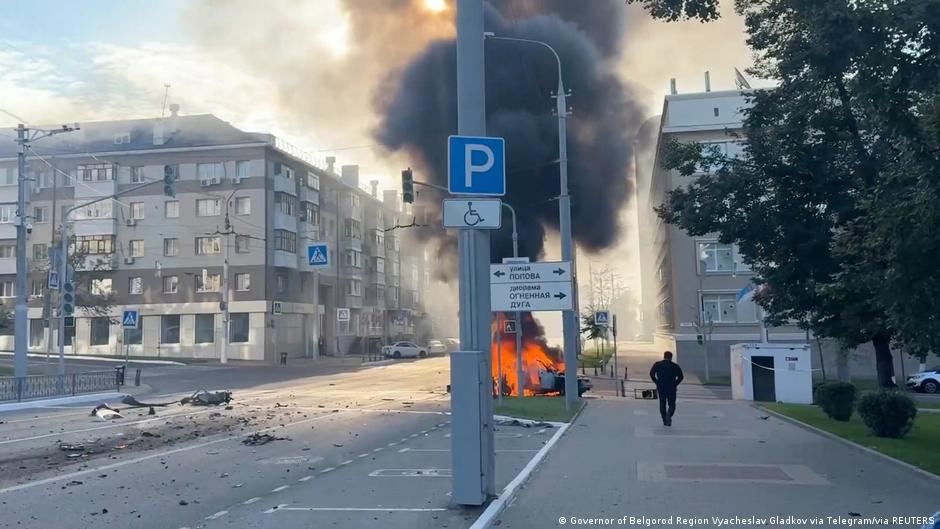
On the night of July 27, the Russian border regions of Belgorod and Rostov experienced a surge in drone attacks attributed to Ukrainian forces, resulting in civilian casualties and significant property damage. The sudden escalation reflects the intensifying military conflict and raises critical questions about regional security and Russian military strategy.
Casualties and Damage in Belgorod and Rostov
Authorities in Belgorod reported that twelve civilians, including two children, were injured following a massive drone assault. The attack also ignited fires in several residential apartments and vehicles. Valentin Demidov, the mayor of Belgorod, confirmed the damage and noted that communication services were temporarily cut off in two multi-story buildings. Some residents have been evacuated to temporary shelters as access to their homes remains restricted.
"The situation has forced us to suspend utilities in affected buildings to ensure safety. We are prioritizing the welfare of displaced residents," stated Demidov.
Similarly, in Rostov-on-Don, a married couple was killed and five individuals sustained injuries during an overnight attack. Governor Yuri Slyusar confirmed the casualties and underscored the ongoing threat to civilian populations in the region.
Military Response and Strategic Implications
In parallel with the Ukrainian drone strikes, Russian forces reportedly launched a series of drone and missile attacks targeting several Ukrainian oblasts, including Dnipropetrovsk, Sumy, Chernihiv, Zaporizhzhia, Kharkiv, and Kherson. These actions indicate a calculated military response aimed at disrupting Ukrainian operational capabilities.
The escalation highlights the increasing use of unmanned aerial systems in the conflict, underscoring both their tactical significance and the risks posed to non-combatants in border areas. For corporate stakeholders and defense industry leaders, the intensification of such cross-border attacks necessitates a reassessment of regional security risks and the potential impact on supply chains and infrastructure.
From a strategic standpoint, the attacks reveal vulnerabilities in regional defense postures and raise questions about the effectiveness of current counter-drone measures. For companies operating in or near conflict zones, these developments stress the importance of robust risk management protocols and contingency planning.
Broader Consequences for Regional Stability
The civilian toll and destruction of residential property may further complicate diplomatic efforts and reinforce the protracted nature of the conflict. Regional authorities are likely to face increased pressure to enhance security measures and support displaced populations amid ongoing hostilities.
Executives and board members within industries exposed to geopolitical instability should closely monitor these developments. Strategic decisions around operational footprint, investment, and crisis response will be critical in navigating the evolving landscape shaped by this conflict.