Drone Strike Ignites Fire at Poltavskaya Oil Depot Near Krasnodar
A drone attack caused a major fire at a key Russian fuel storage facility impacting regional energy supply infrastructure.
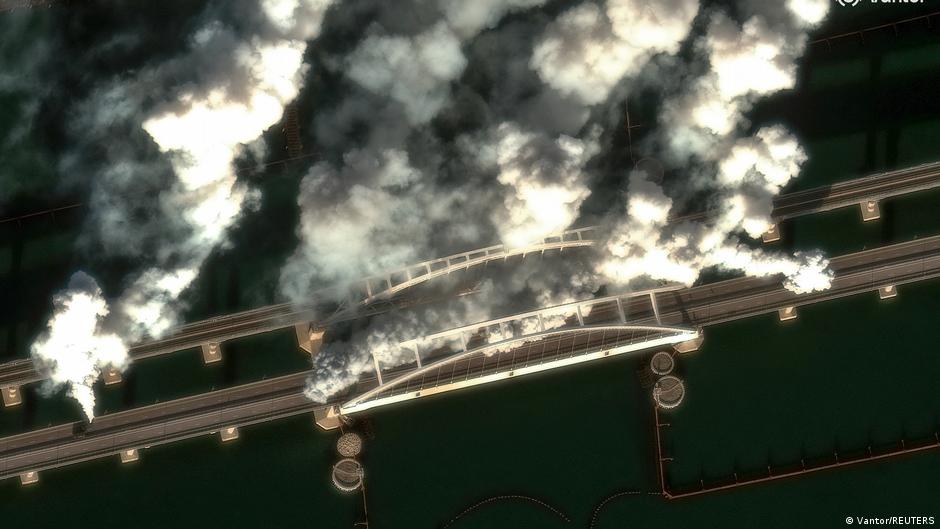
In a significant escalation impacting Russia’s energy infrastructure, the Poltavskaya oil depot in the Krasnoarmeysky District near Krasnodar caught fire following a drone strike during the night of June 25. Local authorities report that the blaze was triggered by debris from a downed unmanned aerial vehicle (UAV), disrupting fuel logistics in Southern Russia.
Operational and Strategic Implications for Regional Fuel Supply
The Poltavskaya oil depot, a critical node in the regional fuel supply chain, services parts of Krasnodar Krai and the Republic of Adygea. The facility houses approximately 28 storage tanks, three of which reportedly ignited in the attack, according to Ukrainian sources monitoring the event.
Local administration head Alexander Kharitonov confirmed that the fire was caused by the remnants of a destroyed drone falling onto the depot. He further stated that traffic along the connecting road between the settlement of Poltavskaya and the neighboring Trudobelikovsky hamlet was temporarily halted due to the incident.
This disruption poses immediate challenges to fuel distribution networks in the region, especially given the depot's role as a regional distribution hub. The blaze also underscores vulnerabilities in energy infrastructure amid ongoing geopolitical tensions.
"The Poltavskaya oil depot is a regional fuel infrastructure asset ensuring fuel supplies for parts of Krasnodar Krai and the Republic of Adygea," noted analysts following the incident.
Broader Context: Simultaneous Drone Attacks in Crimea
Concurrently, multiple drone attacks targeted locations in the annexed Crimea peninsula, including Balaklava and Tavrida thermal power stations and areas near the Kacha airfield, where reports indicate a significant explosion occurred. Several cities on the peninsula, including Simferopol, Yalta, and areas near Yevpatoriya, experienced brief power outages linked to these attacks.
Witness accounts and Telegram channels report multiple explosions in Simferopol and attacks on critical energy infrastructure, with subsequent blackouts. Sevastopol also suffered a mass drone strike, raising concerns about the security of vital military and civilian installations in the region.
These coordinated assaults suggest a strategic operation aimed at undermining Russian control over Crimea’s energy grid and transport hubs, which are vital for sustaining military and civilian operations.
Political and Military Ramifications
In an address on June 24, Ukrainian President Volodymyr Zelensky confirmed that operations targeting Crimea were carefully planned. He asserted that with support from the G7 countries, Ukraine could pressure Russia towards peace, although specifics of this assistance remain undisclosed.
Zelensky highlighted that Russia is reallocating its air defense capabilities toward Moscow and the vicinity of the Crimean Bridge, potentially leaving other regions more exposed to such attacks.
For corporate strategists and executives monitoring the energy sector and geopolitical risks, these developments signal heightened operational risks and the potential for supply chain disruptions in an already volatile environment.