EU Initiates Discreet Communications with Kremlin to Explore Ukraine Peace Talks
European Council President’s advisor engaged in confidential calls with Russian officials to lay groundwork for future negotiations.
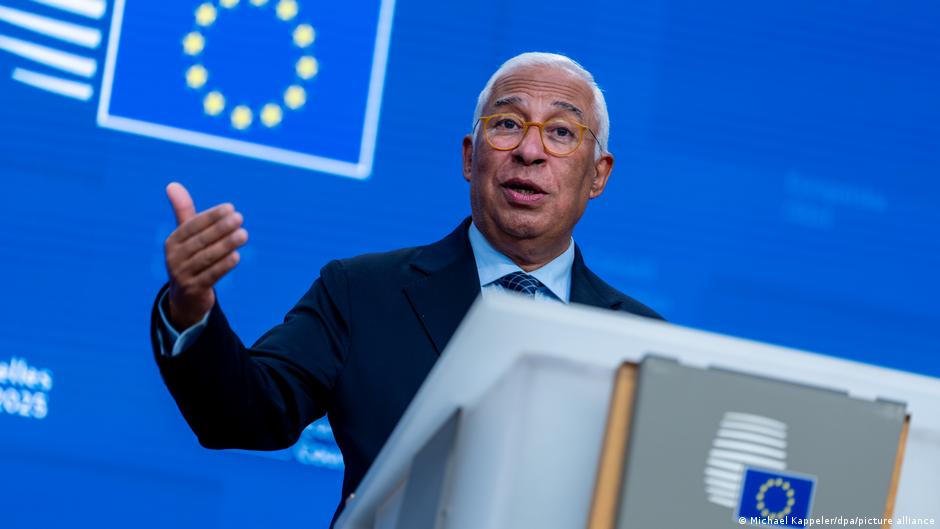
The European Union has quietly initiated contacts with the Kremlin in an effort to prepare conditions for potential peace negotiations concerning the ongoing conflict in Ukraine, according to informed sources.
Behind-the-Scenes Diplomacy Amidst Conflict
Reports indicate that an advisor to the President of the European Council, António Costa, held two confidential telephone conversations with a senior Russian official close to President Vladimir Putin. These discussions aimed to pave the way for more substantive negotiations in the future, signaling a strategic, albeit cautious, diplomatic approach by the EU.
Neither Costa’s official spokesperson nor Kremlin press secretary Dmitry Peskov have commented publicly on these communications. Details regarding the exact timing and participants of these conversations remain undisclosed.
Earlier in May, Costa acknowledged the EU’s preparation for possible talks with Russia. He emphasized the ongoing consultations among European Union member states to determine the best organizational framework and agenda for negotiations when the appropriate moment arises. Costa expressed cautious optimism about engaging Putin in dialogue, stating that there is "potential" for such discussions.
"We are discussing how to organize ourselves and what exactly needs to be addressed with Russia when the time is right," said Costa, reflecting a strategic European posture.
Beyond the European Council’s direct initiatives, the three major European economies—Germany, France, and the United Kingdom—have independently and with coordination from Ukrainian President Volodymyr Zelensky deliberated on strategies to bring Putin to the negotiating table. These efforts underscore a multilateral interest in resolving the conflict through diplomacy.
The impetus for initiating talks appears rooted in recent developments on the ground: stalled advances by Russian forces, intensified Ukrainian counterattacks on Russian territory, and escalating economic costs associated with the war. These factors have collectively increased the urgency within European leadership circles to explore peaceful solutions.
For corporate and geopolitical strategists, these discreet diplomatic maneuvers highlight evolving risk landscapes. The prospect of negotiations could significantly alter sanctions regimes, energy markets, and supply chain dynamics. Boardrooms across sectors with exposure to European and Russian markets should remain vigilant to these emerging geopolitical signals as they may presage shifts in regulatory and operational environments.