Venezuela Government and Opposition to Hold Direct Talks on Earthquake Aid and Elections
Venezuelan government and opposition representatives will meet in Caracas to discuss humanitarian aid and electoral roadmap.
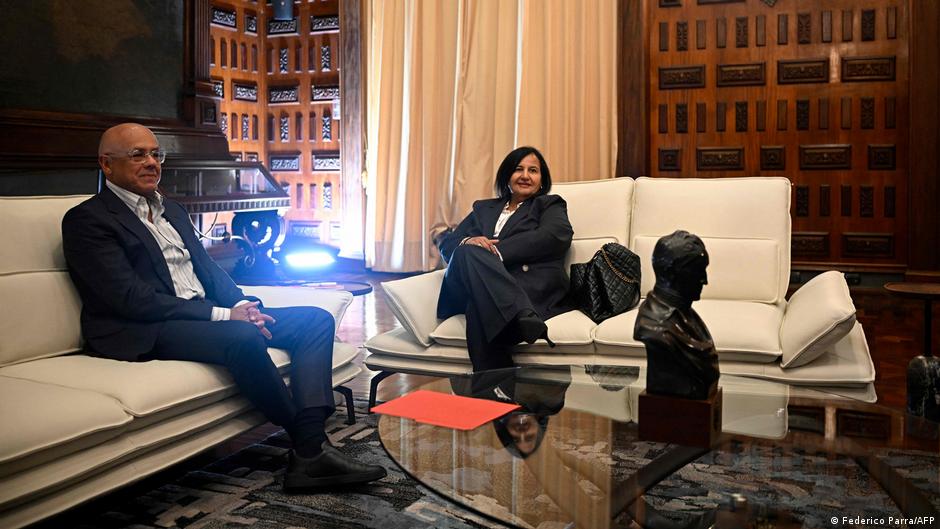
Next week, the Venezuelan government will engage in its first face-to-face negotiations with opposition representatives in Caracas. The talks aim to address humanitarian assistance for those affected by the recent earthquake as well as the schedule for upcoming elections.
Jorge Rodríguez, chairman of the National Assembly and chief government negotiator, announced on August 1 that the opposition delegation would be led by Dinora Figuera. Figuera, who previously held Rodríguez's position, left Venezuela in 2018 due to fears of persecution. She currently heads a center-right opposition bloc which won the 2015 parliamentary elections and was recognized by Washington but not by then-President Nicolás Maduro.
Strategic Implications for Venezuelan Political Landscape
The negotiations come amid ongoing political tensions following the U.S.-supported temporary leadership of Delcy Rodríguez after the ouster of Nicolás Maduro. The talks are expected to focus on restoring democratic institutions, strengthening the electoral system, and agreeing on a timeline for new elections.
Venezuela's most recent elections were held in 2024, with Maduro declared the winner by official authorities. However, the opposition rejected these results, claiming that their candidate, Edmundo González Urrutia, secured the majority of votes.
"These talks represent a critical opportunity to bridge divides and move toward democratic renewal," said a Venezuelan political analyst.
Notably, Nobel Peace Prize laureate and opposition figure María Corina Machado, an ally of González and currently in exile, was not invited to participate in the negotiations, although she has pledged to return to Venezuela.
For American businesses and investors monitoring Venezuela, these discussions signal potential shifts in the country's political climate that could impact regulatory frameworks, economic policies, and market stability. Engagement between the government and opposition may pave the way for improved governance and international cooperation.