Venezuela Government and Opposition to Hold Direct Talks on Earthquake Aid and Elections
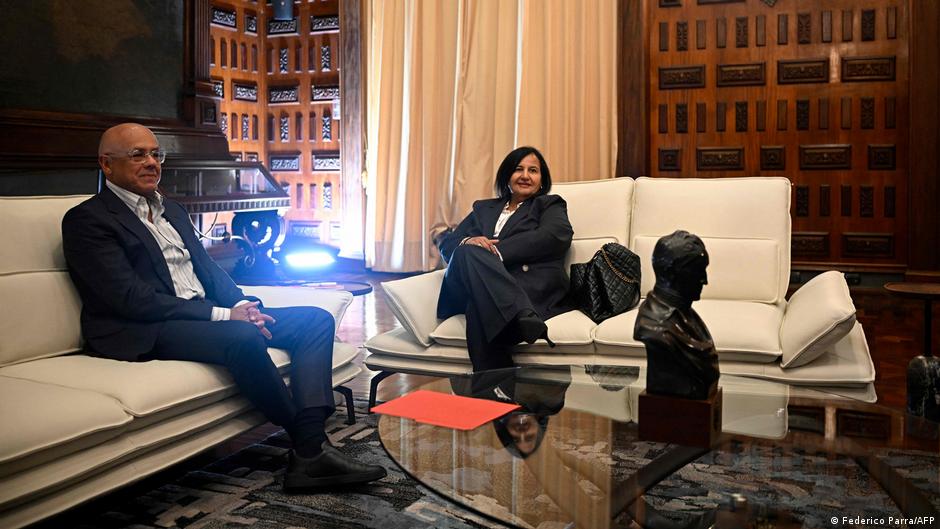
Venezuela's government and opposition will hold talks in Caracas to discuss earthquake aid and electoral reforms amid political tensions.

Venezuela's government and opposition will hold talks in Caracas to discuss earthquake aid and electoral reforms amid political tensions.

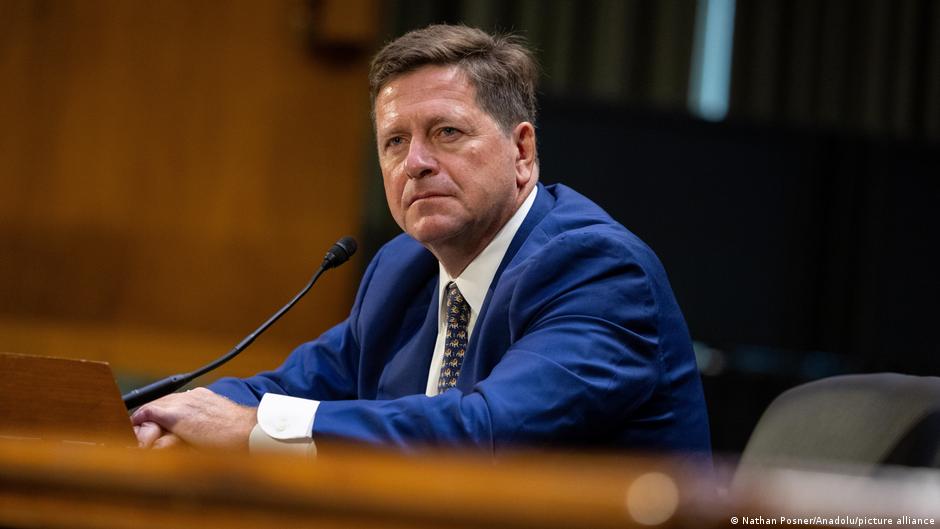
Jay Clayton has been confirmed as US Director of National Intelligence despite partisan opposition and limited national security experience, inheriting a community undergoing major restructuring.

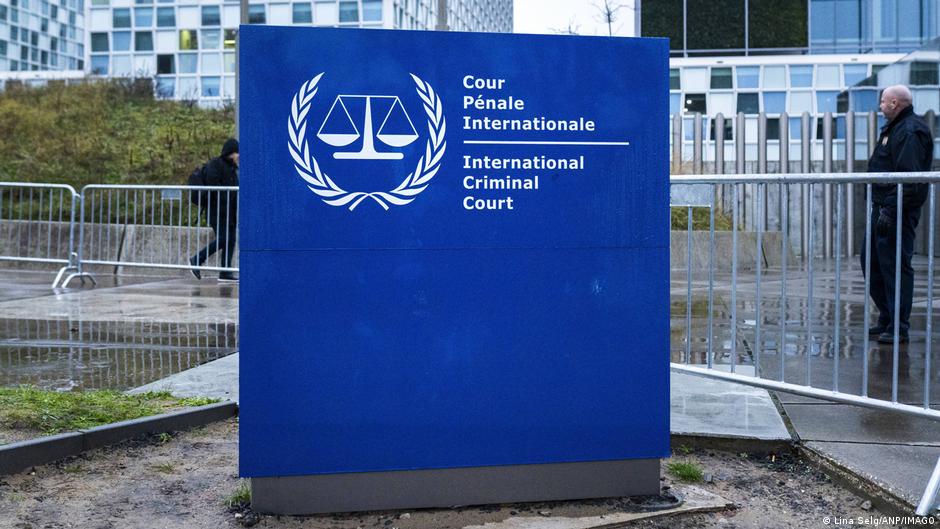
German Foreign Minister Johann Wadephul defends the International Criminal Court against U.S. claims of sovereignty threats amid a U.S. campaign targeting the tribunal’s authority.

Poland expelled 11 individuals accused of recruiting Ukrainian refugees for protests financed by Russia, reflecting ongoing foreign interference concerns.

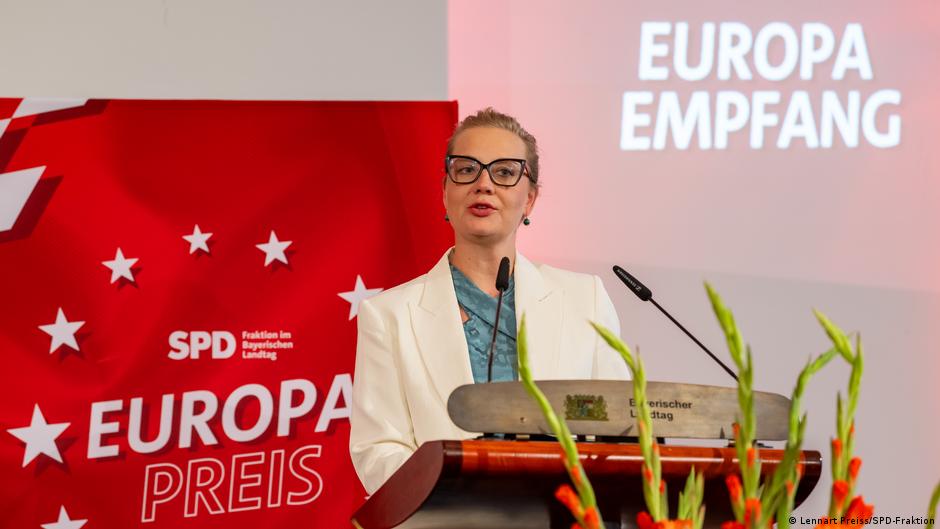
Yulia Navalnaya received the Bavarian SPD's European Prize for her steadfast resistance to Russia's authoritarian regime and advocacy for human rights.

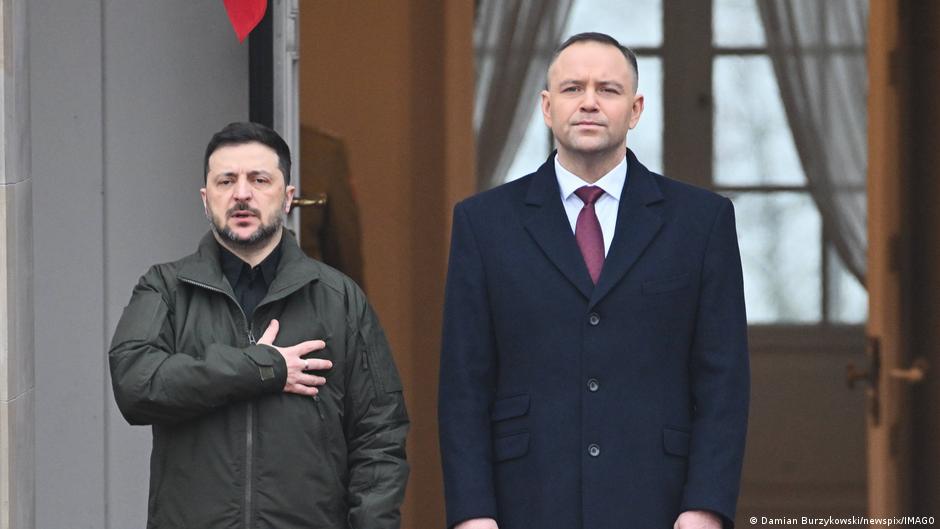
President Zelensky proposes a National Pantheon and an 'Order of Europe' to honor Ukrainian heroes amid diplomatic tensions with Poland over historical commemorations.

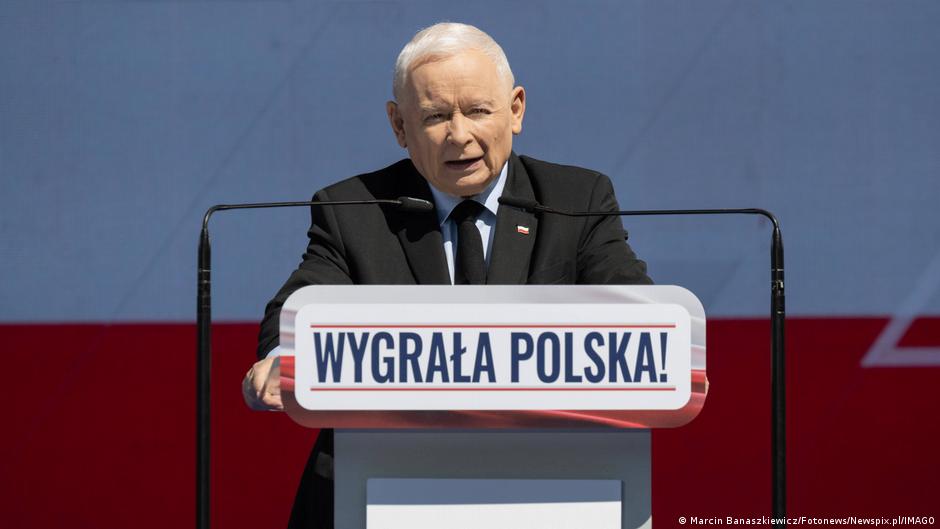
Polish opposition leader Jarosław Kaczyński urges blocking Ukraine's EU accession talks, citing historical disputes and economic concerns amid rising bilateral tensions.

German authorities have granted asylum to Russian anti-war activist Ilya Shkolny after a three-year legal battle marked by refusals and advocacy efforts.

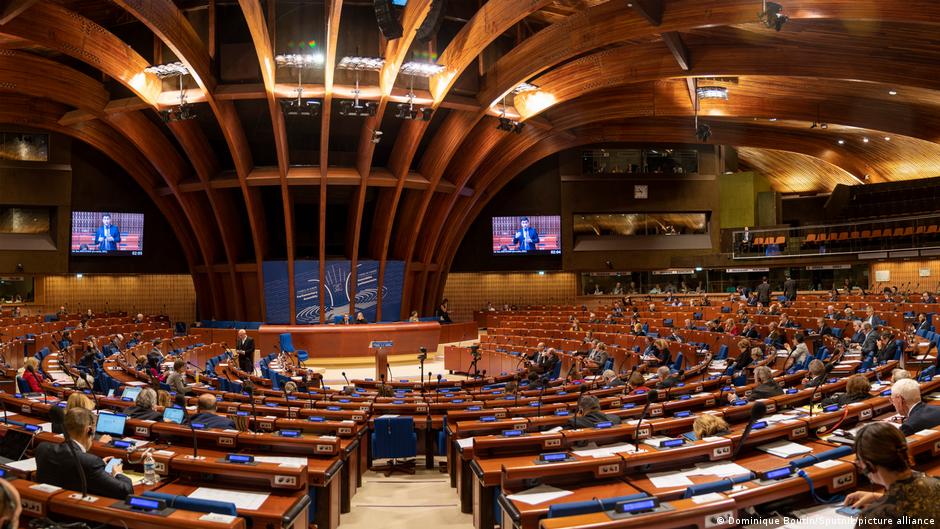
PACE criticizes Georgia for democratic backsliding, urging reforms and an end to opposition repression, while Georgian officials reject the resolution as anti-sovereign.

Far-right businessman Abelardo de la Espriella narrowly wins Colombia's presidency with strong U.S. backing, promising deregulation and militarized drug crime control.

US intelligence warns Israeli PM Netanyahu may seek to disrupt the US-Iran deal due to security concerns over Hezbollah and domestic election considerations.

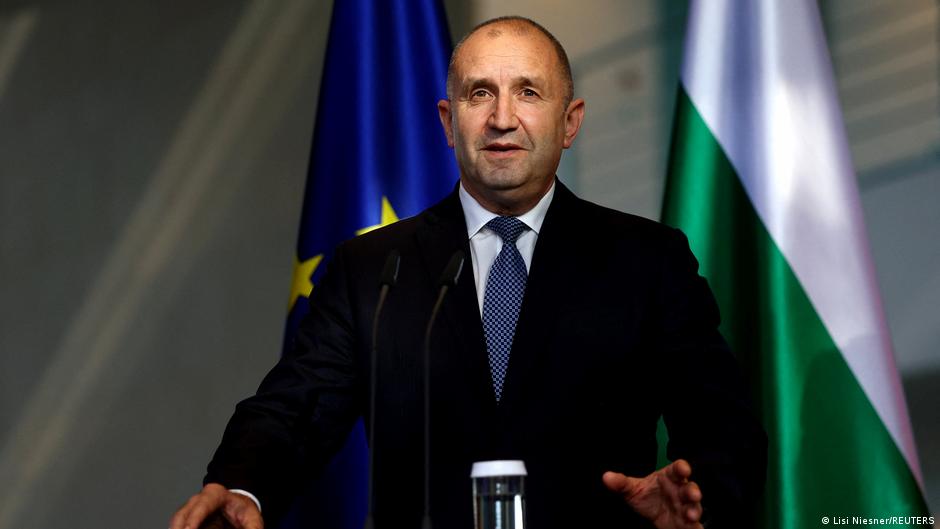
Bulgaria’s Prime Minister Rumen Radev announced a veto on the EU’s latest Russia sanctions package, citing economic risks to key sectors and opposing sanctions on Patriarch Kirill.

EU member states agree to extend Russia sanctions for one year, shifting from previous six-month renewals due to political changes in Hungary and unified condemnation of Russian aggression.

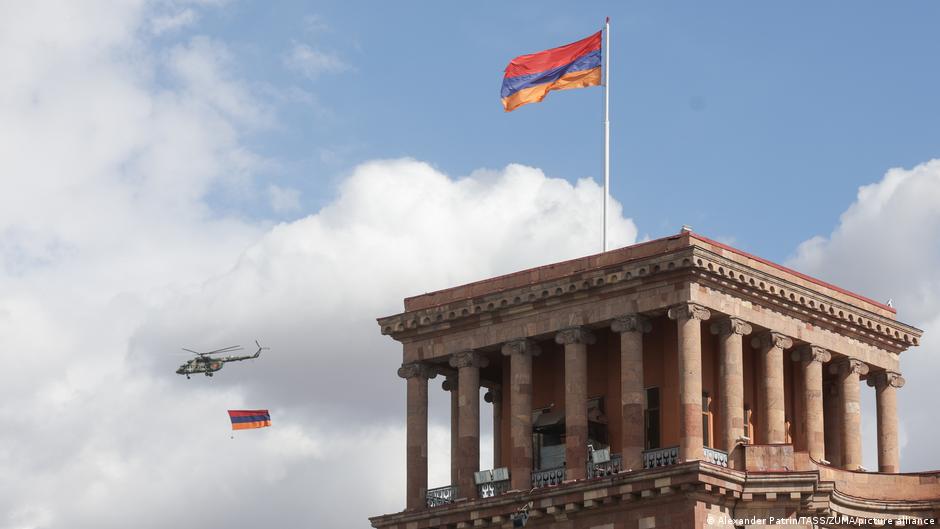
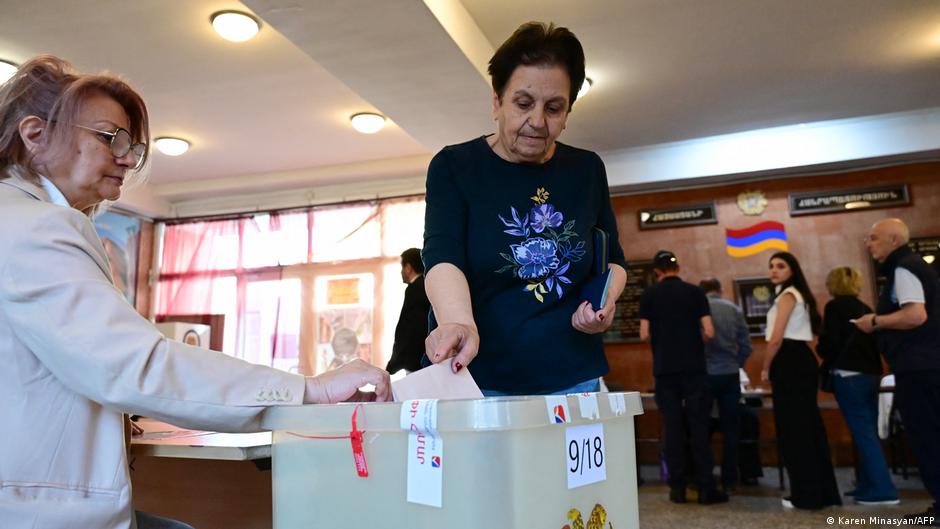
Armenia's Central Electoral Commission recounted votes at nearly a third of polling stations, altering key party tallies ahead of June 14 certification of parliamentary election results.

The US House approved $70 billion in funding for immigration enforcement through 2028, following Senate approval and amid controversy over ICE operations.

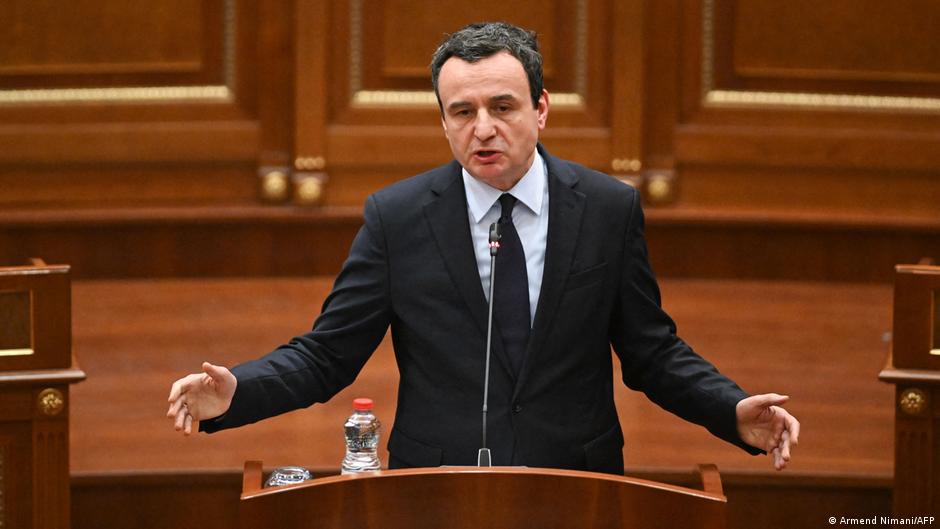
Kosovo’s ruling Self-Determination party won 43% in snap elections but must form coalitions amid political deadlock and ongoing challenges toward EU integration.

Armenia’s parliamentary elections show Prime Minister Pashinyan’s party leading amid tense geopolitical dynamics between EU integration and Russian ties.

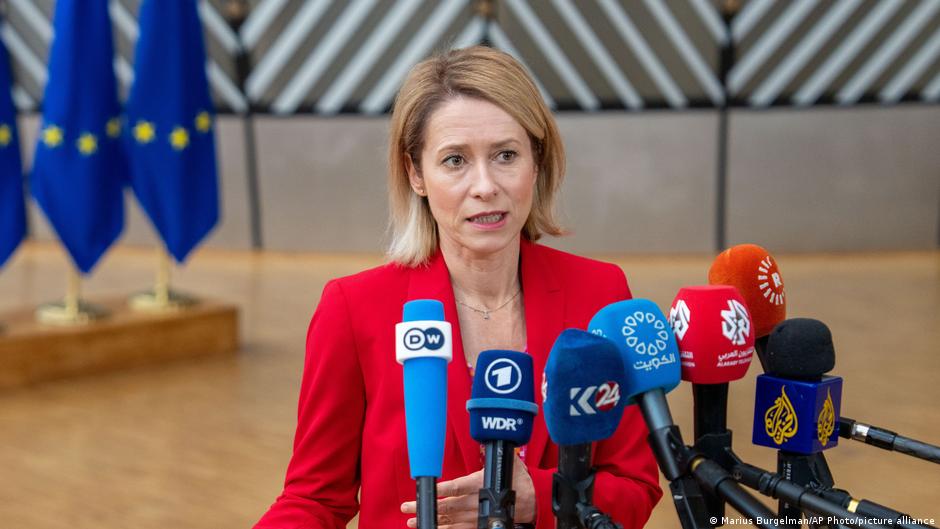
EU Foreign Affairs Chief Kaja Kallas warns that Russia, China, and the US pursue strategies to divide and weaken the European Union, urging member states to maintain unity.

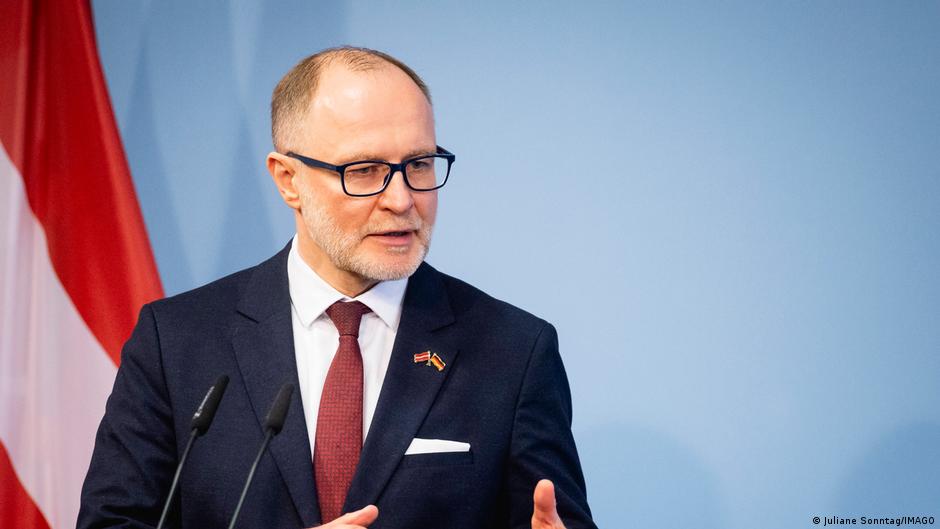
Latvia's governing coalition collapses after Defense Minister Spruds resigns following drone incursions, triggering political instability ahead of parliamentary elections.

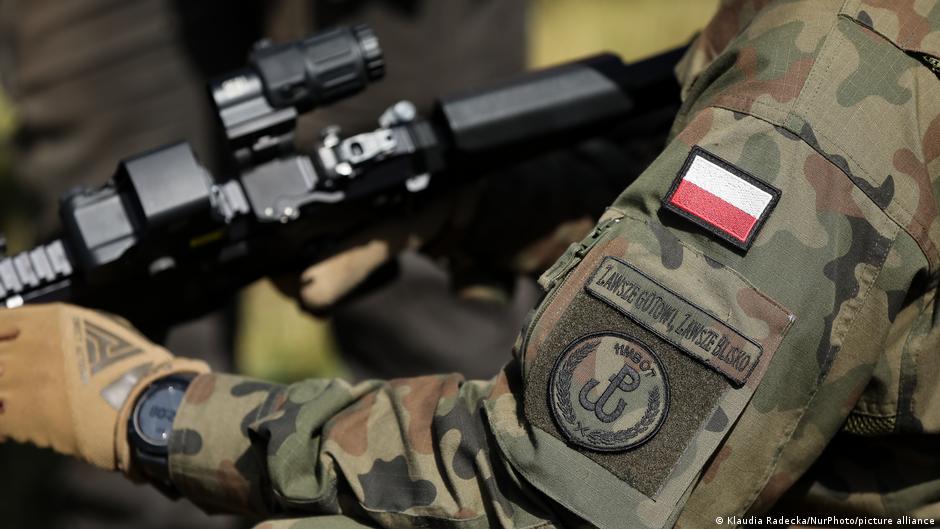
Poland has signed a €44 billion EU loan agreement under the Security Action for Europe program to modernize its defense forces, despite presidential veto and political debate.

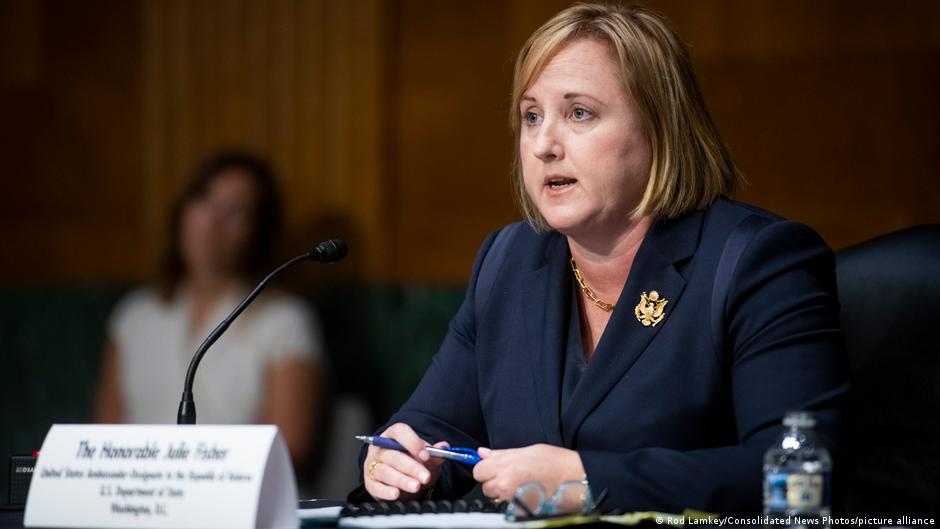
Julie Davis, US Chargé d’Affaires in Ukraine, to leave her Kyiv post amid policy disagreements with Trump over support for Ukraine.

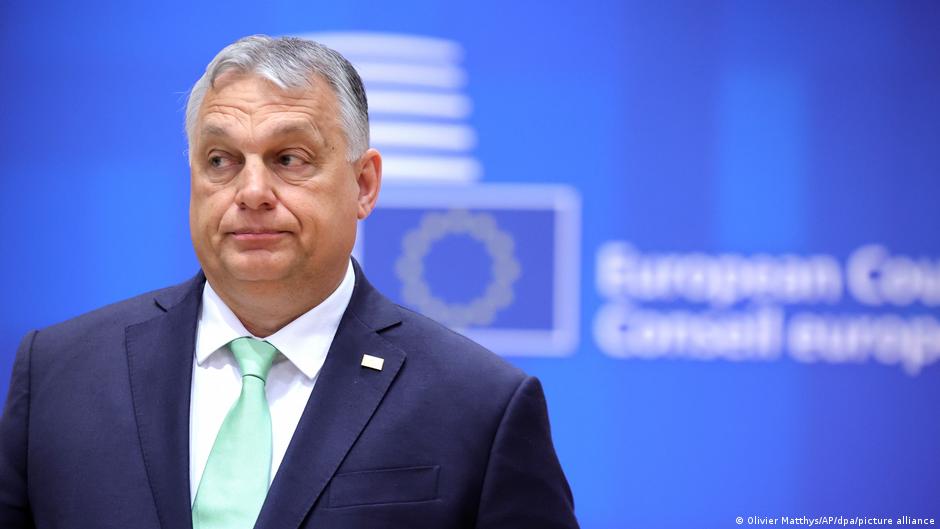
Viktor Orban declines his parliamentary seat after Fidesz’s election loss but aims to retain party leadership amidst Hungary’s political transition and new government policies.

The US Senate rejected a resolution aimed at ending military operations against Iran, upholding presidential authority over war decisions despite Democratic opposition.