Ukraine Initiates National Pantheon and 'Order of Europe' Amid Diplomatic Strains with Poland
President Zelensky proposes new national honors to solidify Ukraine's historical narrative and international alliances amid tensions with Poland.
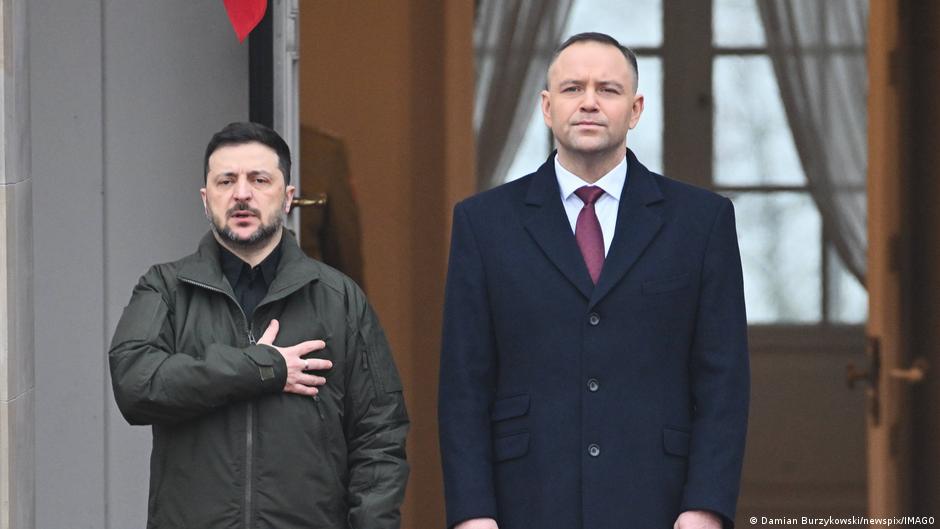
On June 28, Ukrainian President Volodymyr Zelensky addressed the nation during the Constitution Day celebrations, unveiling two significant initiatives aimed at reinforcing Ukraine's national identity and European integration ambitions. He called on the Ukrainian parliament to establish the Ukrainian National Pantheon of Heroes and to create a new state decoration, the Order of Europe.
Strategic Cultural and Diplomatic Moves
The National Pantheon will enshrine the names of Ukrainian heroes who have fought for the country across different epochs, symbolizing a unified historical narrative and national pride. Zelensky emphasized the sovereignty embedded in these honors: "No one will ever dictate how we live, speak, whom to love, who we should thank, or which heroes to honor." These statements came amid ongoing diplomatic tensions between Kyiv and Warsaw.
The friction centers on Zelensky’s controversial decision to name a Ukrainian Armed Forces unit after the Ukrainian Insurgent Army (UPA), a group with a complex and contentious legacy particularly in Poland. Warsaw condemns the UPA chiefly due to its association with the Volhynian massacre during World War II, which has been officially recognized as genocide by the Polish government.
In reaction, Polish President Karol Nawrocki revoked Zelensky’s Order of the White Eagle, Poland’s highest honor. Zelensky sought to downplay the revocation by comparing it to other historical figures who retained honors posthumously despite controversies. However, Polish authorities clarified that the order is not revoked posthumously and noted that those figures did not offend the Polish people as Zelensky’s actions are perceived to do.
Following the diplomatic fallout, several Ukrainian officials returned Polish state awards in solidarity, while Polish political figures, including Jaroslaw Kaczynski—leader of the opposition Law and Justice party (PiS)—returned Ukrainian state honors to Kyiv. Kaczynski has also urged the Polish government to block Ukraine’s EU accession talks, signaling a strategic maneuver to influence upcoming parliamentary elections in Poland in 2027.
Public opinion in Poland reflects the diplomatic strain: a mid-June survey indicated that 58.3% of Poles view Zelensky’s attitude toward Poland negatively, with only 30.1% holding a positive view. Meanwhile, President Nawrocki's approval rating reached a record 54.8%, bolstered in part by his stance on this issue.
The Order of Europe: A Symbol of Ukraine’s European Integration
Alongside the National Pantheon initiative, Zelensky proposed the establishment of the Order of Europe, a state award intended to honor Ukrainians and foreigners who contribute to defending Europe's security and advancing Ukraine's European Union accession.
Ukraine’s pursuit of this distinct decoration underscores the country's effort to formalize its role and sacrifices in the broader European context. Currently, no award titled "Order of Europe" exists within the European Union institutions. The EU’s sole comparable accolade, the European Order of Merit, established in 2025, has previously been awarded to Zelensky himself as one of the first recipients.
The introduction of the Order of Europe is a strategic assertion of Ukraine’s ongoing struggle and commitment to European values, aiming to galvanize domestic morale and international support amid the protracted conflict with Russia and complex geopolitical relations.
"No one will ever dictate how we live, speak, whom to love, who we should thank, or which heroes to honor," Zelensky declared, reaffirming Ukraine’s sovereign right to shape its historical and cultural identity.
These developments highlight the intricate interplay between national identity, executive decision-making, and international diplomacy, underscoring the role of symbolic state instruments in shaping Ukraine's strategic posture on the global stage.