Poland Expels 11 Individuals Over Russia-Funded Protests Among Ukrainian Refugees
Polish authorities deported nine Ukrainians and two Belarusians accused of recruiting protesters with Russian financial backing.
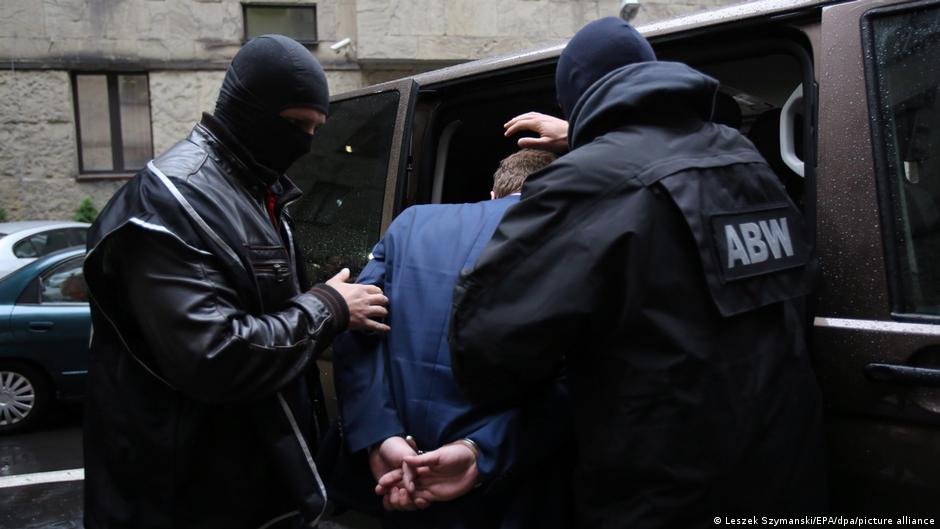
Poland has deported eleven individuals, comprising nine Ukrainian and two Belarusian nationals, following an investigation by the country's internal security agency that uncovered efforts to recruit participants for protests funded by Russian sources. The move reflects Warsaw's heightened vigilance against foreign interference targeting Ukrainian refugee communities within its borders.
Background and Investigation
The Polish Internal Security Agency (Agencja Bezpieczeństwa Wewnętrznego, ABW) announced on June 29 that the deportations were the culmination of coordinated actions in several Polish cities, including Warsaw, Wrocław, Kraków, Zakopane, and Bydgoszcz. The individuals were reportedly engaged in recruiting people to participate in protest actions among Ukrainian refugees residing in Poland. These activities allegedly began in the autumn of 2025 and were financially supported by Russian funds.
"The organizers aimed to gradually influence the Ukrainian refugee community in Poland and leverage this group to promote political slogans," ABW officials stated.
The protests reportedly addressed emotionally charged themes such as corruption scandals in Ukraine and other politically sensitive domestic issues. The ABW emphasized that such manipulation sought to sow discord within the refugee population and exploit existing tensions.
Implications for Corporate and Political Strategy
This incident underscores the complex geopolitical environment in which multinational businesses and policymakers operate in Central and Eastern Europe. Corporate executives with operations or investments in Poland or Ukraine must recognize the potential impact of political unrest fueled by foreign interference on stability and consumer sentiment.
Moreover, the Polish Ministry of Foreign Affairs flagged similar concerns earlier in February 2024, warning of possible infiltration by Russian agents into the farmers' protest movement. Anti-Ukrainian rhetoric emerging during these protests was interpreted as attempts by foreign actors to control and manipulate civil movements for geopolitical objectives.
In May 2023, research from the Dossier Center, associated with Russian oligarch and opposition figure Mikhail Khodorkovsky, revealed Russian disinformation campaigns within the European Union aimed at creating rifts among NATO partners, particularly between France and Turkey. These campaigns also sought to foster anti-Ukrainian sentiment across Europe.
For corporate boards and strategists, these developments highlight the importance of integrating geopolitical risk assessment into broader business continuity plans. Awareness and proactive engagement with local communities can mitigate risks posed by such externally driven socio-political disruptions.