EU Recommends Withholding €2 Million Funding from Venice Biennale over Russia’s Participation
The European Commission urges the withdrawal of subsidies for Venice Biennale due to Russia’s involvement amid ongoing geopolitical tensions.
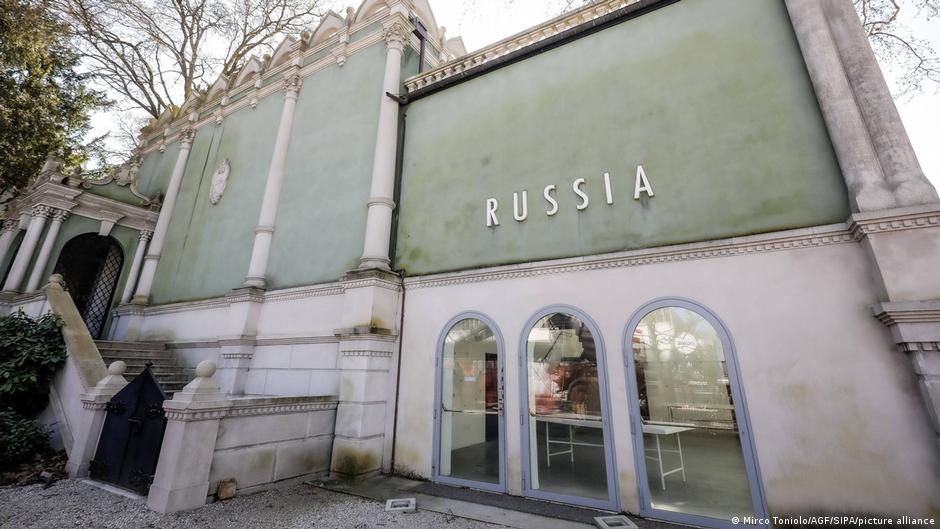
The European Commission has formally recommended that the European Education and Culture Executive Agency (EACEA) withhold €2 million in funding from the Venice Biennale, one of the world’s most prestigious cultural exhibitions. This move follows a thorough evaluation of the organizers’ decision to allow the reopening of the Russian pavilion despite significant geopolitical concerns.
Corporate Governance Meets Geopolitics in Arts Funding
Henna Virkkunen, Executive Vice President of the European Commission responsible for technological sovereignty, security, and democracy, emphasized that "culture in Europe—funded by taxpayers’ money—must contribute to strengthening and protecting democratic values. In contemporary Russia, these values are not respected." This statement highlights the growing scrutiny over how public funds are allocated, especially in contexts intersecting with political conflicts.
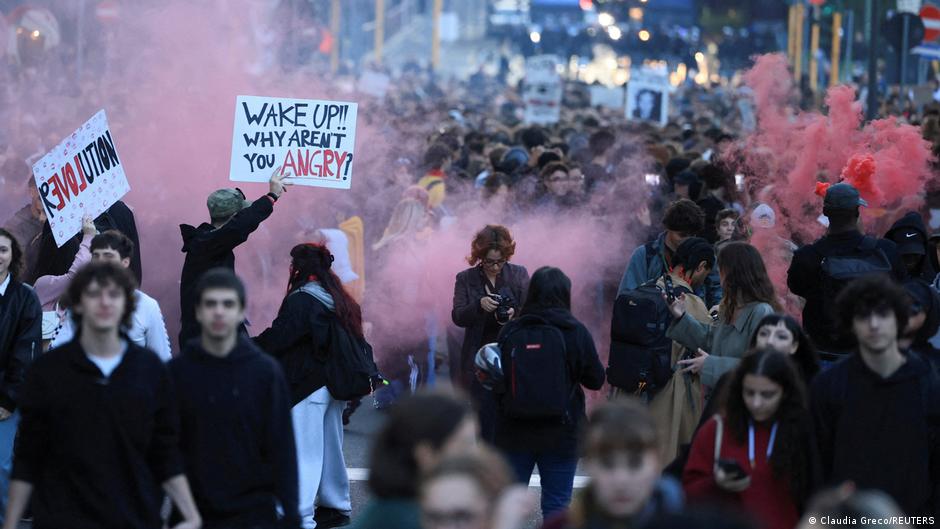
The inclusion of Russia in the 2026 Venice Biennale marks its first participation since the full-scale invasion of Ukraine began. The decision has sparked strong criticism from Brussels and Kyiv, accompanied by protests from activist groups such as Femen and Pussy Riot during the event.
European Union foreign policy chief, Kaja Kallas, declared as early as April 21 that the EU intended to reduce funding for the Venice Biennale due to Russia’s return. By early May, the European Commission formally warned both the Italian government and Biennale organizers that Russia’s participation breached EU sanctions. The Commission’s letter underscored that the Russian pavilion is state-operated and funded by Vladimir Putin’s government, meaning EU funds supporting the Biennale could indirectly benefit the Kremlin economically.
"Culture funded by taxpayers must uphold democratic values; Russia’s participation contradicts this principle," said Henna Virkkunen, Executive VP of the European Commission.
In response, Pietro Rizzo Buttafuoco, President of the Venice Biennale, defended the decision to allow Russia’s participation, citing a commitment to freedom of expression as a core value guiding the organization’s stance.
This episode underscores the complex decisions facing boards and executive teams of major cultural institutions as they navigate the intersection of corporate governance, ethics, and geopolitical pressures. The potential loss of significant European Union funding could reshape strategic priorities and operational decisions at the Venice Biennale, raising broader questions about accountability and risk management in internationally funded cultural enterprises.