France Tightens Visa Issuance Rules for Russian Citizens Amid EU-Wide Restrictions
France joins Italy, Spain, and Hungary in imposing stricter visa application procedures for Russians, impacting travel and business exchanges.
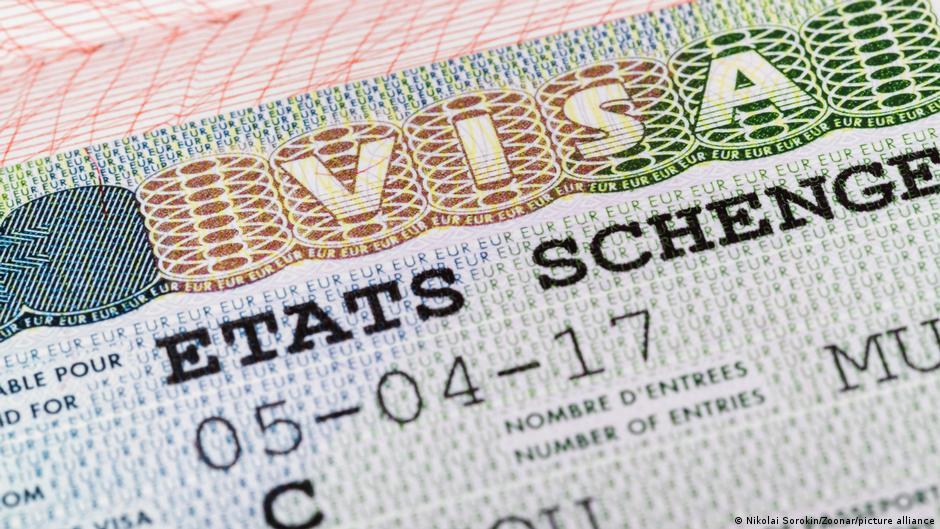
France has announced new, stricter visa application requirements for Russian citizens, following a recent trend among several European Union countries. This move is the latest in a series of tightened regulations affecting Russian nationals seeking Schengen visas, with Italy, Spain, and Hungary having already implemented similar measures.
New Personal Submission Requirement and Family Member Limitations
Beginning July 15, the French visa center in Moscow will no longer accept visa application documents submitted through a notarized power of attorney. Instead, all applications must be submitted either personally by the applicant or by close family members. This policy change marks a significant shift in France's visa processing protocols, aimed at increasing the verification and authenticity of applications.
Specifically, the new rules allow only the applicant, parents or legal guardians for minors under 18, and close relatives such as spouses, children, and parents to submit applications. When submitted by relatives, original documents confirming family relationships must be provided. Additionally, biometric data collection is mandatory for all applicants over the age of 12, and the biometric procedure must have been completed within 59 months prior to the visa request.
Applicants are also required to personally sign their visa application forms, further emphasizing the focus on individual accountability and reducing the scope for intermediaries or third-party facilitators in the visa process.
Broader EU Context and Impact on Processing Times
France’s new stance reflects a broader tightening of visa issuance policies across the EU for Russian nationals. Italy has reportedly experienced increased demand, leading to visa processing delays of up to 60 days at its Moscow center. Spain has similarly seen wait times extend to as much as 45 days. Hungary has gone further by halting visa application acceptance in several Russian cities, including Samara, Ufa, and Kazan.
"The tightening of visa regulations by multiple EU countries signals a cautious and controlled approach to travel facilitation amid geopolitical tensions and heightened scrutiny of visa applicants from Russia," analysts observe.
These changes have notable implications for both business and tourism sectors, as longer wait times and more stringent submission requirements could disrupt travel plans, international business operations, and bilateral exchanges. Companies involved in cross-border commerce or with ties to Russian markets may need to adjust their strategies and timelines accordingly.
Overall, the movement toward stricter visa controls represents a strategic decision by EU member states to exert greater oversight of entry processes from Russia, reflecting concerns that extend beyond routine immigration management to broader geopolitical considerations.