Germany Commits Additional €300 Million to Czech-Led Ammunition Supplies for Ukraine
Berlin increases funding to support Ukraine’s ammunition needs through the Czech initiative, securing roughly 50,000 more rounds.
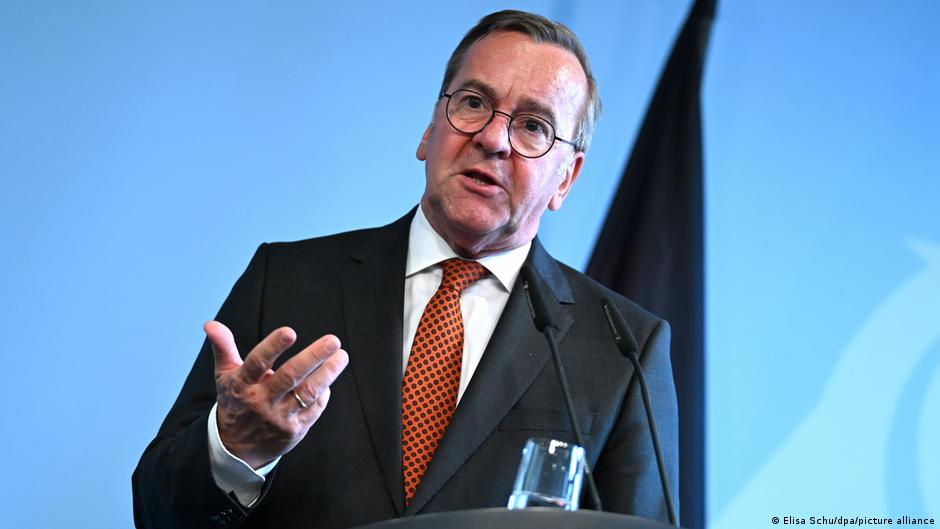
Germany has pledged an additional €300 million to the Czech-led initiative supplying ammunition to the Ukrainian Armed Forces, reinforcing its position as the largest donor to this program. German Defence Minister Boris Pistorius announced the new funding during a meeting with Czech Defence Minister Jaromír Zuna in Berlin on June 9.
Strategic Support and Funding Dynamics
According to Pistorius, the extra funds will cover the procurement of approximately 50,000 ammunition units, extending the initiative’s reach through 2026. This development is part of a broader €1 billion commitment from Germany toward the Czech initiative in 2025.
The Czech initiative, launched in February 2024 under the patronage of former Prime Minister Petr Fiala, coordinates the purchase of ammunition from third countries for the Ukrainian military. It gained momentum despite political uncertainties after the change in Czech leadership when Prime Minister Andrej Babiš took office in December 2025. The new government initially considered discontinuing the program but ultimately allowed its continuation on the condition that Prague would not contribute financially.
As of late May, Czech Defence Ministry reports indicated contracts aiming to deliver about one million rounds to Ukraine by the end of 2026, with approximately 500,000 rounds already supplied earlier in the year. This scale of supply underscores a sustained effort to support Ukraine’s defense capabilities amid ongoing conflict.
“These funds should suffice for the purchase of roughly 50,000 ammunition units for Kyiv,” stated German Defence Minister Boris Pistorius, highlighting Germany’s significant role as the principal funder of the initiative.
Geopolitical and Corporate Implications
President Petr Pavel of the Czech Republic recently noted in an interview with the Financial Times that the number of countries financially backing the ammunition purchases has halved since 2025, dropping from eighteen to nine. This decline in multilateral support could influence the initiative's operational dynamics and requires strategic reassessment.
The initiative’s future is slated for discussion at the upcoming NATO summit on July 7-8 in Ankara, signaling the importance of allied coordination in sustaining military aid to Ukraine. For corporate and defense sector executives, these developments underscore shifting funding landscapes and the need for agile strategies to navigate government-backed procurement programs and international defense collaborations.
Germany’s renewed financial commitment not only amplifies its influence in European defense logistics but also sends a clear signal of sustained support for Ukraine. The move has potential implications for defense contractors and supply chain stakeholders, highlighting both opportunities and challenges in fulfilling large-scale ammunition contracts within politically sensitive contexts.