Hungarian Premier to Negotiate EU Fund Release Amid Political Shift
New Hungarian leadership initiates talks with EU to unlock billions in blocked funding by previous government’s policies.
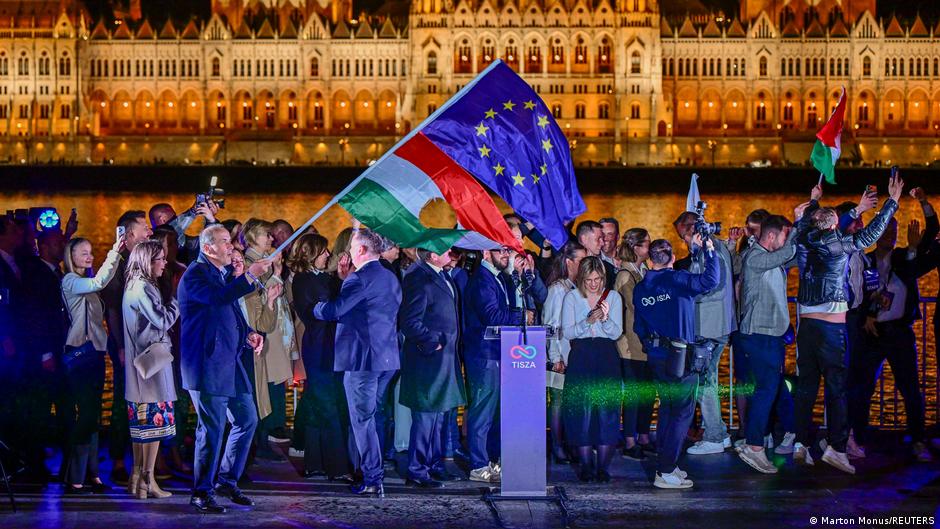
Hungarian Prime Minister Péter Mádjár is set to engage in critical discussions with European Commission President Ursula von der Leyen regarding the release of billions of euros in EU funds previously withheld under the administration of Viktor Orbán. This move signals a significant shift in Hungary’s approach to its relationship with the European Union following recent political changes.
Background of the Funding Blockade
During Orbán's tenure, the European Commission froze tens of billions of euros allocated to Hungary, citing concerns over non-compliance with EU standards and values. The withheld funds include substantial subsidies aimed at improving economically disadvantaged regions, pandemic recovery aid, and defense credits totaling over €17 billion, which remain frozen as of March 2026.
Since the ruling party led by Péter Mádjár, known as "Tisa," secured a parliamentary victory, the European Commission has initiated informal negotiations with the new government. The Commission hopes to see Hungary recommit to democratic standards and the core principles of the EU, a prerequisite for restoring financial flows.
"There is no time to waste," Mádjár wrote on social media ahead of his Brussels visit for talks on the fund release.
Conditions for Funding Resumption
According to reports, the European Commission has set forth several conditions that Hungary must meet to regain access to the frozen funds. These include implementing structural reforms domestically and improving diplomatic relations with Kyiv amid the ongoing regional tensions. The Commission’s stance reflects a broader strategy to ensure that member states adhere to EU governance and democratic frameworks before benefiting from shared resources.
The scale of the freeze—amounting to approximately €35 billion—represents a significant portion of Hungary’s potential EU aid. This amount covers not only economic and social recovery programs but also critical defense support, reflecting the EU’s comprehensive approach to funding allocation tied to political and legal compliance.
Implications for Hungary’s Corporate and Economic Landscape
The unblocking of these funds carries substantial implications for Hungary’s business environment and broader corporate strategy. Executive leadership across sectors could see improved financial stability and new opportunities for investment and development, particularly in underdeveloped regions previously targeted by EU subsidies.
Furthermore, renewed access to defense credits may influence strategic decisions within Hungary’s defense and technology industries, potentially attracting international partnerships and bolstering innovation. From a boardroom perspective, Hungarian corporate executives and government officials alike will need to carefully navigate compliance with EU standards to ensure sustained funding and integration within European markets.
In sum, the upcoming negotiations between Prime Minister Mádjár and the European Commission mark a pivotal moment in restoring Hungary’s financial ties with the EU, hinging on political reforms and diplomatic engagement that will shape the nation’s economic trajectory for years to come.