Russian Drone Strikes on Odesa Cause Civilian Casualties and Infrastructure Damage
Multiple drone attacks target Odesa’s residential and port facilities, resulting in at least 13 injuries amid escalating regional conflict.
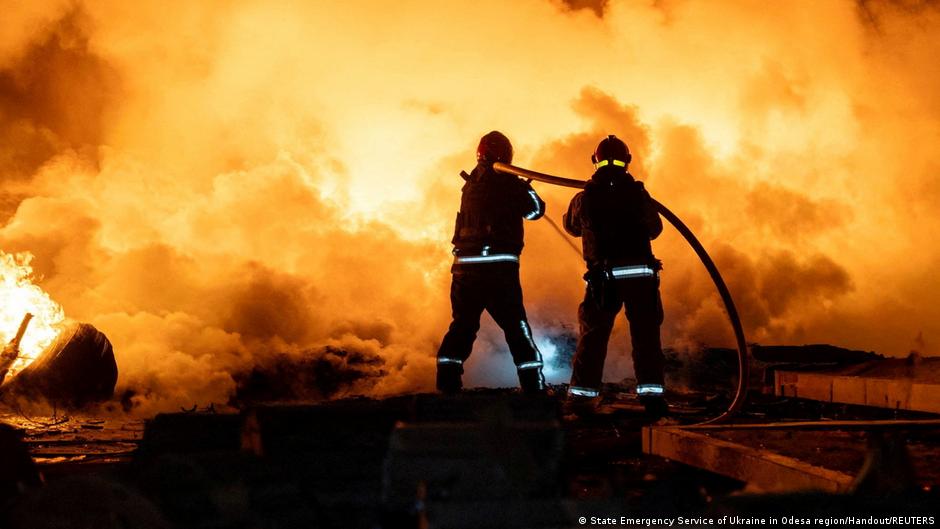
In a series of intense drone attacks on the night of April 27, Russian forces launched approximately 50 unmanned aerial vehicles (UAVs) against the Ukrainian port city of Odesa, causing significant damage to civilian infrastructure and injuring at least 13 people. The assaults represent a heightened level of aggression targeting critical urban and logistical nodes in the region.
Impact on Civilian and Commercial Infrastructure
The strikes damaged several residential buildings, a hotel, warehouses, and vehicles across multiple districts. Odesa’s civilian population has faced escalating risks as local authorities reported outbreaks of fires triggered by the drone impacts. According to Odesa Regional Military Administration head Oleg Kiper, the attacks have inflicted harm on key civil infrastructure, including two residential complexes and commercial storage facilities.
"Recorded damages include residential homes, a hotel, warehouses, and vehicles, with local fires ignited by drone crashes," noted Oleg Kiper on his official communication channel.
Odesa City Administration head Serhiy Lysak confirmed the toll of at least 13 injured civilians, highlighting the human cost alongside material damages. The renewed attacks have prompted a swift reinstatement of air raid alerts, underscoring ongoing security concerns in the area.
Broader Strategic Context and Regional Implications
The recent strikes continue a pattern of sustained Russian UAV attacks on Odesa, following similar assaults on April 24 and 25. Ukrainian Air Forces reported successful interceptions of the overwhelming majority of drones launched the previous day, after shooting down 124 of 144 drones. Nevertheless, the attacks have persistently targeted Odesa’s critical port and logistics infrastructure, essential for Ukraine's trade and military supply chains.
Notably, an attack on April 24 also affected a commercial vessel flagged under St. Kitts and Nevis, highlighting risks posed to maritime commerce in the Black Sea region. These aggressive actions against port and transport nodes have significant implications for business continuity and regional trade flows.
Beyond Odesa, drone and artillery strikes have also damaged residential and critical infrastructure in the Romny community of Sumy Oblast and the wider Sumy community, although no casualties were reported there. Dnipropetrovsk Oblast has also experienced similar attacks, with damage to industrial facilities, residential buildings, and infrastructure leading to at least three injuries, according to regional administration chief Alexander Ganza.
These recurrent attacks reflect a strategic Russian approach to disrupt Ukraine’s logistical capacity and exert pressure on key urban centers. For corporate leaders and investors, the ongoing conflict in this region demands continual reassessment of risk exposure, supply chain resilience, and contingency planning amid volatile security conditions.