Israeli Airstrikes on Iran Escalate Amidst US-Iran Peace Negotiations
Israel’s military response to Iranian missile attacks raises strategic challenges for US-led peace efforts in the Middle East.
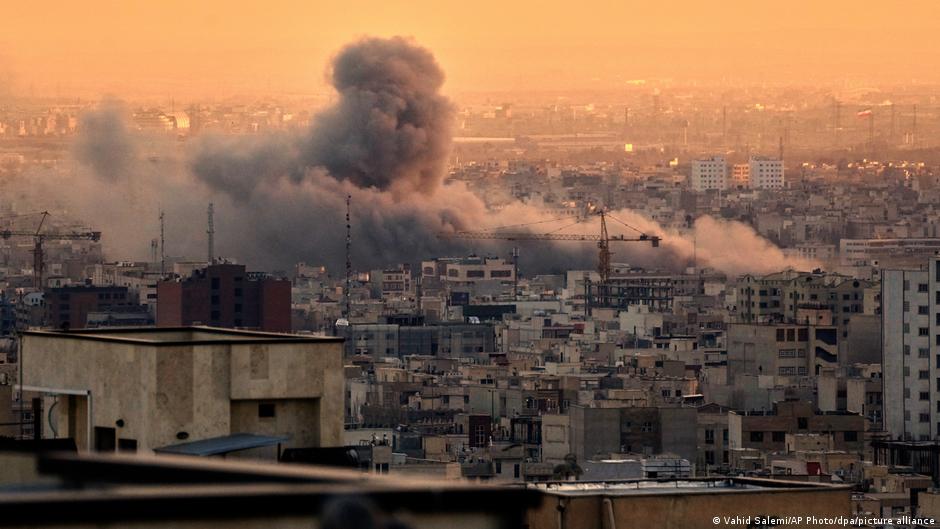
On June 8, the Israeli Defense Forces (IDF) launched airstrikes targeting locations in western and central Iran, marking a significant escalation following missile attacks by Iran on Israeli territory the day before. The IDF's statement on social media platform X did not specify the exact targets of the Israeli air operation.
The preceding night saw rockets fired from Iran into Israel, prompting nationwide alerts for civilians to seek shelter and the cancellation of school sessions across the country. This development underscores heightened tensions between the two nations and introduces complexities for ongoing diplomatic initiatives.
Strategic Context and Regional Implications
The attack came in the wake of an Israeli strike on a Hezbollah facility in Lebanon, which Tehran described as a "warning." Israeli Prime Minister Benjamin Netanyahu and Defense Minister Israel Katz characterized the targets as "terrorist headquarters" in Beirut, indicating a broader regional dimension to the conflict.
"All decisions are mine. Netanyahu does not make decisions," President Donald Trump remarked, asserting his central role in any peace agreement with Iran.
These military exchanges occur amidst President Donald Trump's articulated objective to secure a peace deal with Tehran. In a June 7 interview with the Financial Times, Trump expressed confidence that Netanyahu would accept any peace framework endorsed by Washington, emphasizing his own authority over the negotiation process.
Despite these statements, the US administration has not formally endorsed a peace agreement. Reports from late May, citing US officials, indicated that preliminary frameworks for a resolution had been tentatively agreed upon by negotiators from both countries. However, Washington insists on key conditions, notably Iran's abandonment of nuclear weapons ambitions, as prerequisites for any final pact.
Iranian leadership has publicly stated that no conclusive agreement with the US has been reached, signaling continued skepticism and the potential for further conflict escalation.
Implications for Corporate Strategy and Executive Decisions
The intensification of military confrontations between Israel and Iran presents critical considerations for multinational corporations operating in or connected to the Middle East. Executive leadership must weigh the risks associated with geopolitical instability, including supply chain disruptions, energy market volatility, and regulatory uncertainties.
For companies in defense, energy, and international finance sectors, the evolving conflict and diplomatic efforts necessitate agile strategic planning and robust risk management frameworks. Boardrooms will likely need to reassess exposure to regional assets and evaluate contingency plans in response to potential sanctions, trade shifts, or conflict escalation.
Moreover, US involvement and its centralization of decision-making power in the peace process mean that American businesses should closely monitor political developments and policy changes stemming from the White House.