North Korea Conducts Missile Tests Highlighting Strategic Military Modernization
Pyongyang's recent ballistic and cruise missile tests signal a focused effort on advancing its national defense capabilities.
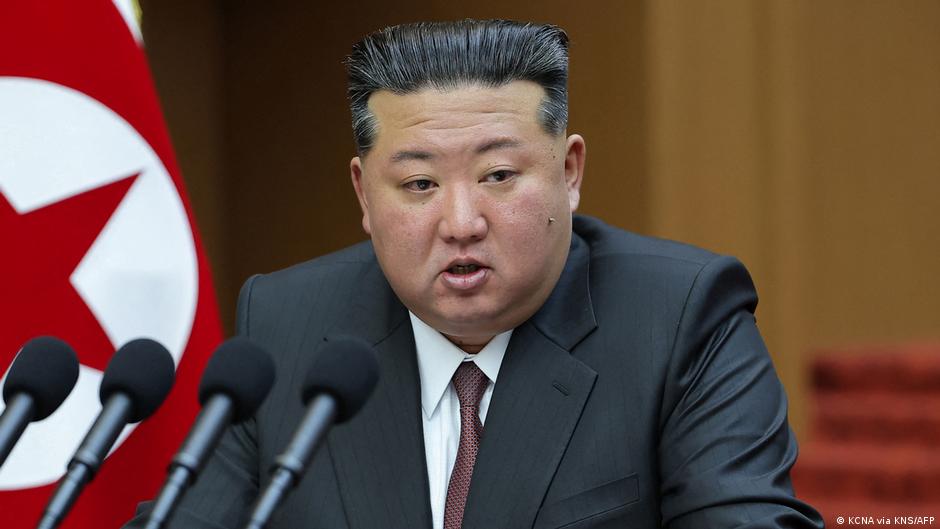
North Korea has recently conducted a series of missile tests involving tactical ballistic missiles, artillery rockets, and precision-guided cruise missiles, underscoring Pyongyang’s commitment to modernizing its military capabilities. The launches were closely overseen by North Korean leader Kim Jong Un, who expressed significant satisfaction with the outcomes.
Strategic Implications of North Korea’s Missile Tests
According to reports, the missile tests were carried out as part of a strategic five-year plan aimed at enhancing the artillery and missile forces of the Democratic People's Republic of Korea (DPRK). These developments have important implications for regional security dynamics and suggest a shift in military doctrine towards integrating advanced weapon systems.
On May 26, multiple ballistic missiles with short-range capabilities and artillery rockets were launched towards the Yellow Sea from the Chonju area in North Pyongan Province, as confirmed by South Korean military agencies. The tests included a newly developed tactical cruise missile lauded by Kim Jong Un for its precision and advanced navigation technologies.
“Kim Jong Un called the tests a clear signal of military superiority and growing combat capabilities,” according to official North Korean sources.
The tactical cruise missile, intended for deployment near the southern border of North Korea, incorporates multiple navigation systems. These include terrain contour matching and artificial intelligence-assisted guidance, enabling it to accurately strike targets up to 100 kilometers away. Such technological integration marks a significant upgrade over earlier missile models and enhances North Korea’s strategic strike options.
For international business executives and corporate strategists, these developments highlight the importance of closely monitoring geopolitical risks and defense modernization trends in East Asia. The escalation in military capabilities can affect regional stability, potentially influencing defense budgets, supply chain security, and multinational investment decisions.
Moreover, the North Korean leadership’s public satisfaction with the missile launches suggests a firm commitment to advancing military technology despite international sanctions and economic pressures. This signals to business leaders the resilience of state-directed defense projects in isolated regimes and the potential for rapid development in critical technologies.
As North Korea continues to prioritize defense modernization, stakeholders in global markets and policy circles should consider the broader ramifications for security, diplomacy, and economic relations in Northeast Asia.