Pakistan Announces Immediate Opening of Strait of Hormuz Following US-Iran Memorandum Signing
Pakistani Prime Minister Shahbaz Sharif confirms the Strait of Hormuz will reopen immediately as US and Iran agree to cease hostilities and lift port blockades.
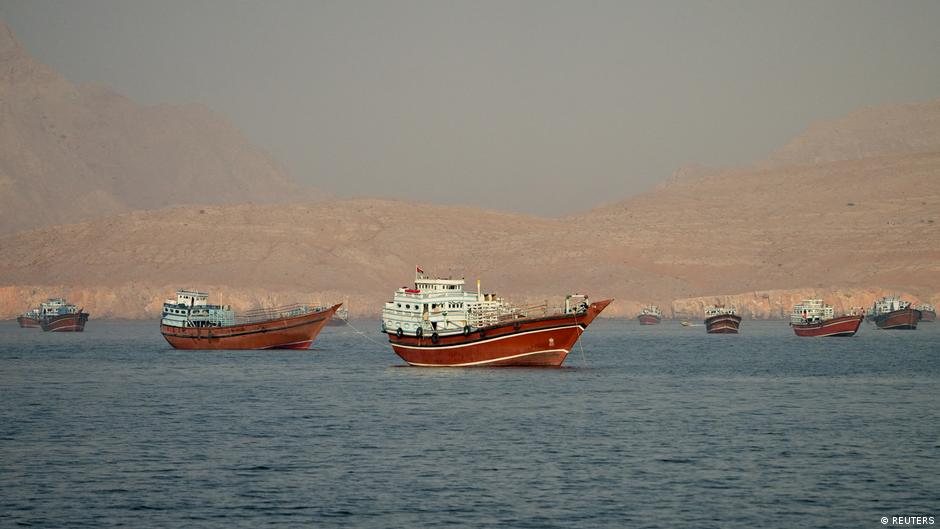
The Strait of Hormuz is set to reopen immediately following the signing of a memorandum between the United States and Iran, announced Pakistani Prime Minister Shahbaz Sharif. This crucial development marks a significant de-escalation in regional tensions and has important implications for global trade and energy markets.
Memorandum Signals End to Hostilities and Lifting of Blockades
According to Prime Minister Sharif, the memorandum, signed digitally on June 17 by US President Donald Trump and Iranian President Masud Pezeshkian, effectively ends the state of war between the two nations. The agreement includes the immediate reopening of the Strait of Hormuz to maritime traffic and the lifting of the US blockade on Iranian ports, which has hindered trade and oil shipments for years.
"The Strait of Hormuz will be opened immediately after the signing of the memorandum by Trump and Pezeshkian," Sharif wrote on social media platform X on June 18. He added that the United States is simultaneously expected to lift its blockade of Iranian ports, signaling a new phase of cooperative engagement.
The memorandum mandates that within 60 days, the two countries will negotiate a comprehensive peace treaty, finalizing the terms of their new diplomatic relationship.
Strategic Implications for Global Energy and Trade
The Strait of Hormuz is one of the world’s most critical chokepoints for oil transit, with nearly a fifth of global petroleum passing through this narrow waterway. Its closure or disruption has historically led to spikes in oil prices and heightened geopolitical risks. The reopening and assured passage through the strait will likely stabilize energy markets and restore confidence among international shipping and energy stakeholders.
"This agreement marks a pivotal moment, not only for regional peace but also for global commerce relying on uninterrupted maritime routes," said an industry analyst familiar with the developments.
For business executives and corporate strategists, this breakthrough necessitates a reassessment of risk exposure in Middle Eastern markets and supply chains. Companies reliant on oil, shipping, and trade routes through the Persian Gulf may anticipate reduced volatility and operational disruptions.
Pakistan’s Role and Upcoming Ceremonial Signing
Pakistan has positioned itself as a key intermediary in these negotiations, leveraging its geopolitical ties to both Washington and Tehran. Plans are underway to hold a formal signing ceremony on June 19 in Switzerland, supported by Qatar, at the Burgenstock resort near Lucerne. This event is intended to symbolize the "important phase" of peace and initiate technical-level talks to solidify the agreement.
From a corporate governance perspective, this evolving geopolitical landscape encourages boards and executives to monitor ongoing developments closely. The potential normalization of US-Iran relations could open new markets and investment opportunities, while also challenging existing strategic assumptions about regional security and trade.
In conclusion, the immediate reopening of the Strait of Hormuz following the US-Iran memorandum represents a significant shift with wide-reaching consequences for international business, energy security, and geopolitical strategy.