Russia Suspends Shipping in Azov-Don Canal Following Ukrainian Drone Attacks
Russian authorities halt vessel transit through key Azov-Don maritime corridor amid escalating drone strikes on commercial ships.
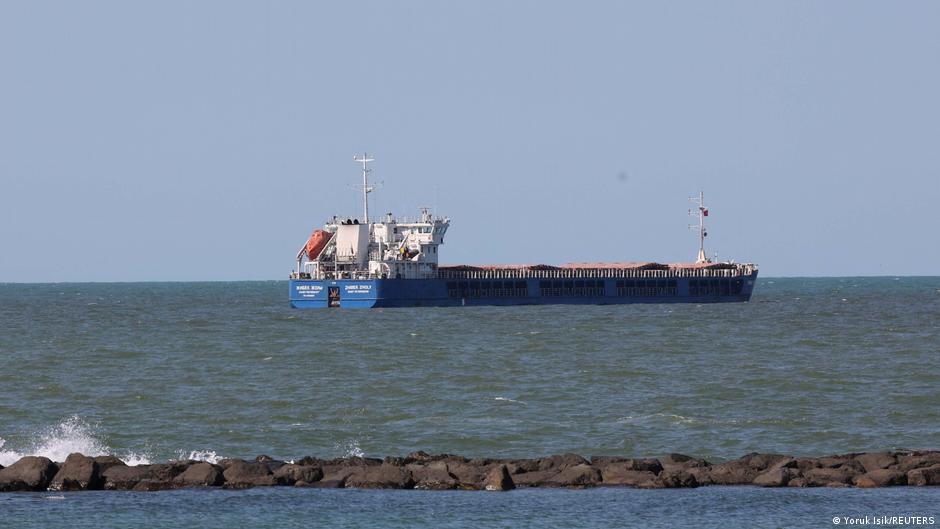
Russian border authorities have indefinitely closed the Azov-Don shipping canal, a critical maritime artery connecting the Don River with the Sea of Azov, following a series of drone attacks on vessels in the region, according to multiple industry sources. This move disrupts an essential transit route for Russian grain exports and energy shipments.
The restriction was communicated by the Russian Border Service, which operates under the Federal Security Service (FSB), to shipping companies, stating that applications for vessel passage through the canal are no longer being accepted. The agency did not specify when the closure might be lifted. Additionally, transit through the Kerch Strait, which links the Black Sea and the Sea of Azov, has reportedly been suspended as well.
Strategic and Economic Implications
The Azov-Don canal serves as a vital logistics channel for Russian agricultural producers, particularly in the grain-rich Rostov and Krasnodar regions. The suspension of navigation threatens to interrupt the flow of grain and other commodities through the Azov-Black Sea basin, potentially impacting Russia's export capacity.
"The closure of this shipping artery amid ongoing drone strikes highlights the vulnerability of Russia’s maritime logistics and raises questions about the resilience of its export infrastructure," said an industry analyst familiar with the situation.
The move comes days after Ukrainian armed forces announced successful drone strikes on at least 25 vessels in the Sea of Azov, predominantly targeting oil tankers and dry cargo ships. Ukrainian drone forces commander Robert "Madyar" Brovdi detailed the attacks in his Telegram channel, noting that some vessels were hit multiple times. Many of the targeted tankers are reportedly part of Russia’s so-called "shadow fleet," subject to international sanctions due to Moscow's full-scale invasion of Ukraine.
Russian authorities have yet to publicly comment on the increase in maritime attacks or the decision to close the canal. However, local officials from Russia’s Rostov region confirmed several drone strikes on vessels within the Taganrog Bay area, indicating minor damage to at least four tankers.
The disruptions have already had a ripple effect on global commodity markets. Following the drone attack reports and ensuing shipping uncertainties, wheat prices on the Euronext exchange surged more than 4% within a single day, reaching their highest level in six weeks as of July 10.
Boardroom and Executive Considerations
For corporate executives and logistics planners, the closure of the Azov-Don canal signals an urgent need to reassess risk exposure and supply chain dependencies tied to Russian maritime routes. Companies engaged in grain export, energy transport, and shipping insurance must evaluate contingency strategies and potential cost escalations resulting from rerouted shipments or extended transit times.
Moreover, the incident underscores the growing strategic use of unmanned aerial systems (UAS) in maritime conflict zones, which complicates traditional naval security postures. Boards overseeing companies with assets in the region should demand rigorous threat assessments and proactive crisis management frameworks to safeguard operations.
With no clear timeline for the resumption of traffic through the Azov-Don canal, stakeholders must monitor developments closely. The evolving security environment could redefine competitive dynamics in Black Sea and Azov maritime trade corridors, influencing long-term investment and infrastructure decisions.