Russian Defense Ministry Proposes Ending Mandatory Medical Exams for Contract Soldiers
Moscow seeks to lift obligatory fitness screenings for contract and mobilized troops amid recruitment challenges.
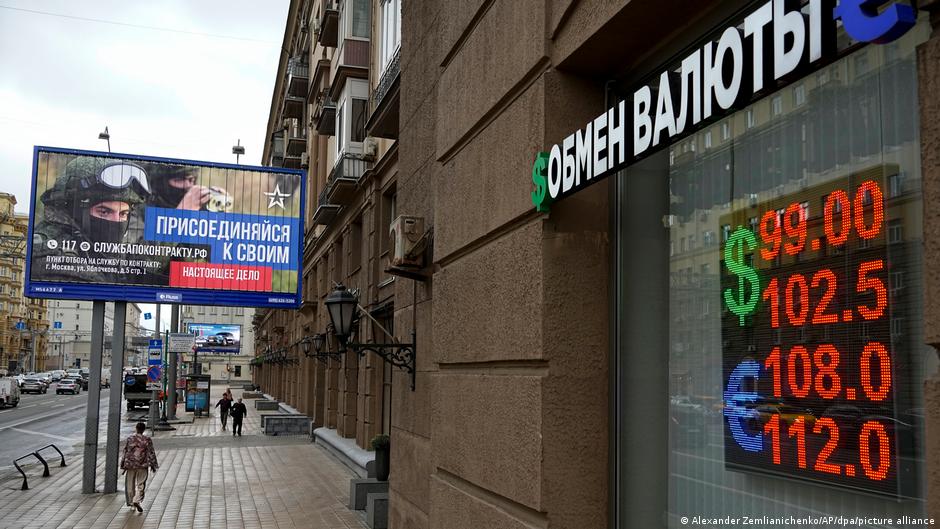
The Russian Ministry of Defense has submitted legislative amendments aiming to abolish mandatory medical examinations for individuals drafted into military service, sparking concerns about recruitment and personnel standards amid ongoing conflict.
Under the proposed changes, compulsory medical assessments during mobilization, martial law, or wartime would be limited solely to cases involving injuries or serious illnesses that could affect service fitness. These medical evaluations would only be conducted when physical impairments potentially render a contract soldier or mobilized individual partially or entirely unfit for duty.
Strategic Implications of the Proposed Amendments
The draft law, published for public discussion and undergoing independent anti-corruption review as of July 3, 2023, reflects the Ministry's intent to streamline the recruitment process amid persistent difficulties in meeting personnel quotas. The amendments would delegate responsibility to the Ministry of Defense to establish procedures for medical examinations focused strictly on identifying severe health issues.
"Judging by the situation, the contract recruitment is failing to meet expectations, prompting the removal of mandatory medical evaluations," said Grigory Sverdlin, head of a legal aid group assisting individuals seeking to avoid conscription. "If adopted, medical exams would no longer be routine but reserved only for exceptional cases."
This step appears to address ongoing challenges in attracting contract soldiers. Russia has recently introduced various measures to boost enlistment, including the cancellation of debts for new contract recruits as signed into law by President Vladimir Putin in late May 2023. Recruitment efforts have extended beyond Russia's borders, with vacancies for positions related to the special military operation advertised in Belarus and China.
Additionally, reports from the Penza region have highlighted forced recruitment tactics, including detaining men and coercing them into signing contracts with the Ministry of Defense. Media outlets have also circulated speculation about the potential for another wave of mobilization as the conflict continues.
These developments signal mounting personnel pressures within the Russian military establishment, prompting adjustments in recruitment and medical screening protocols that may have far-reaching implications for force readiness and operational effectiveness.