Russian Drone Attacks on Kharkiv Cause Civilian Injuries and Property Damage
Multiple drone strikes hit Kharkiv’s residential districts and industrial sites in Dnipro, raising concerns about regional security and corporate resilience.
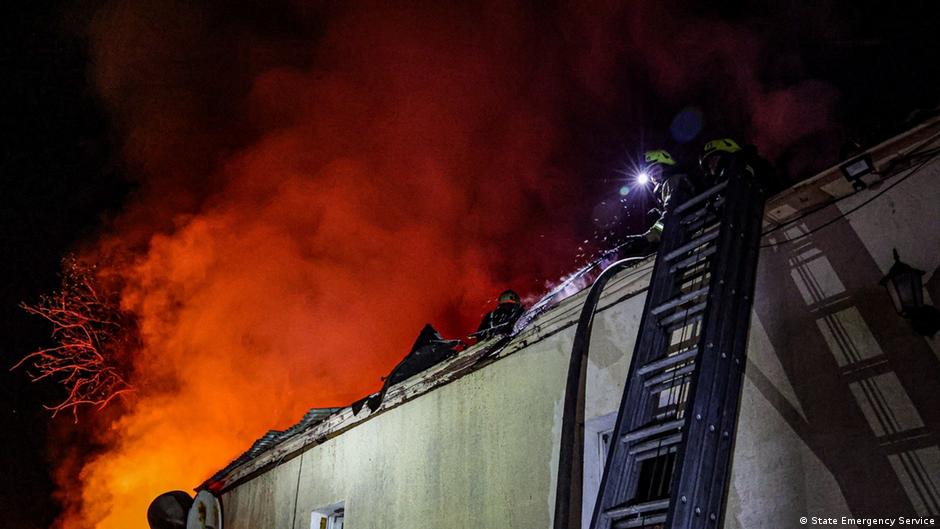
In a series of drone attacks overnight on July 12, Russian forces targeted several districts of Kharkiv, Ukraine’s second-largest city, causing damage to more than 20 residential buildings and injuring three civilians, including a 16-year-old girl. The attacks also extended to a food industry enterprise in the city of Dnipro, with officials reporting no casualties there.
Impact on Residential Areas and Industrial Assets
The strikes occurred in Kharkiv's Shevchenkivskyi, Kyivskyi, and Saltivskyi districts. Oleg Synegubov, head of the Kharkiv Regional Military Administration, confirmed the drone hits via his Telegram channel. Kharkiv's mayor, Ihor Terekhov, detailed that over 20 residential houses were damaged in the Shevchenkivskyi district, while a garage cooperative caught fire in the Kyivskyi district.
Three individuals sought medical attention following the attacks, signaling both the human toll and the disruption to civilian life. Meanwhile, in Dnipro, Alexander Ganja, head of the Dnipropetrovsk Regional Military Administration, reported that Russian forces struck a food industry facility without causing casualties, highlighting the ongoing threats to Ukraine’s vital industrial infrastructure.
"The attacks on civilian residential areas and key industrial sites underline both the humanitarian and economic challenges posed by the ongoing conflict," said a regional security analyst.
The Ukrainian Air Force also reported night activity involving drone launches and guided aviation bombs targeting several other oblasts, including Sumy, Zaporizhzhia, Donetsk, Poltava, and Odesa, indicating a broadening scope of aerial threats across multiple fronts.
Broader Military and Economic Implications
The drone strikes follow intense missile attacks carried out on July 11, involving six Iskander-M and S-400 ballistic missiles, four Kh-59/69 cruise missiles, and two Kh-31 anti-radar missiles, alongside 121 drones. Kyiv was heavily impacted, with 12 civilians injured. In Kharkiv, drones targeted a civilian enterprise causing injuries.
Additional missile strikes on July 11 targeted Odesa and Sumy, with civilian casualties reported: two fatalities in Odesa and five in Sumy plus 30 injured. Zaporizhzhia also suffered casualties due to Russian guided bomb attacks. The attacks on industrial and urban centers underline the strategic aim to disrupt Ukraine’s economic backbone and civilian morale.
For corporate executives and board members operating in Ukraine or relying on its industrial outputs, these developments signal heightened operational risks and potential supply chain disruptions. The targeting of food industry enterprises raises concerns about food security and continuity planning amid ongoing conflict.
Companies must reassess their risk management strategies, including contingency planning for employee safety, asset protection, and supply chain resilience. The evolving military tactics, especially the use of drones against civilian infrastructure, represent a paradigm shift in conflict risks that businesses in the region need to urgently address.