Russian Drone Incident in Romania Raises Strategic Concerns Near Ukrainian Border
A Russian drone crashed into a residential building in Romania during an attack on Ukraine, highlighting regional security and corporate risk factors.
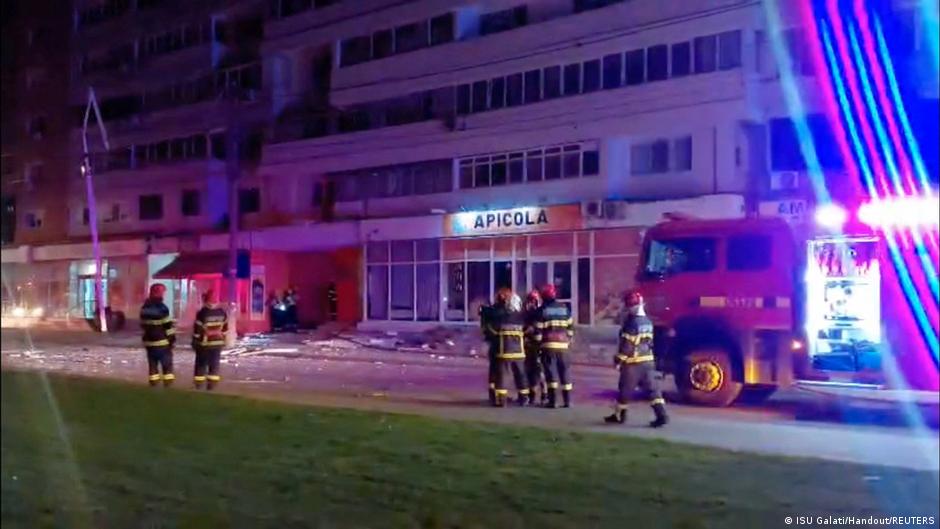
In a rare cross-border incident underscoring the expanding geographic scope of the Ukraine conflict, a Russian unmanned aerial vehicle (UAV) crashed into a residential high-rise in the Romanian city of Galați on the night of May 29. The collision sparked a fire on the building's tenth floor, resulting in injuries to two individuals who received immediate medical attention at the scene.
The Romanian Ministry of Defense confirmed that the drone was of Russian origin. Emergency services reported that the drone's entire explosive payload detonated upon impact, prompting the evacuation of approximately 70 residents from the building. The fire was swiftly extinguished, preventing further casualties or structural damage.
Strategic and Corporate Implications of Cross-Border Incidents
"The incident exemplifies the increasing risks civilian infrastructure faces amid escalating military tensions near international borders," Romanian emergency officials stated.
The drone attack occurred concurrently with a coordinated offensive by Russian UAVs targeting the port city of Izmail in Ukraine's Odessa region. Izmail is strategically located near the Romanian border and serves as Ukraine's largest port on the Danube River, making it a frequent target for Russian military operations. The proximity of such attacks to NATO member states like Romania raises critical concerns for regional security and stability.
From a corporate perspective, the incident draws attention to the vulnerability of multinational operations and supply chains in Eastern Europe. Ports like Izmail are pivotal nodes for international trade, and disruptions can cascade through global logistics networks. Additionally, the risk to civilian infrastructure in neighboring countries amplifies the operational risks for businesses and investors with regional exposure.
Executives and boardrooms overseeing assets in this corridor must now consider enhanced risk assessments and contingency planning to mitigate potential spillover effects from the conflict. This includes evaluating insurance coverage, security protocols, and stakeholder communications strategies amidst a volatile geopolitical environment.
Moreover, the incident signals the potential for unintended consequences as military engagements increasingly utilize UAV technology near international borders. Companies engaged in sectors such as transportation, manufacturing, and energy with footprints in Eastern Europe should monitor developments closely to adapt their strategies accordingly.
Romania's handling of the emergency highlights the challenges governments face in balancing civil protection with broader geopolitical tensions. The swift response likely prevented a more severe humanitarian impact and serves as a case study in crisis management for regions exposed to conflict spillover.