Russian Forces Launch Renewed Ballistic Missile and Drone Strikes on Kyiv Amid Escalating Conflict
A large-scale missile and drone attack on Kyiv signals increased Russian military pressure, with implications for Ukraine's defense strategy and international support.
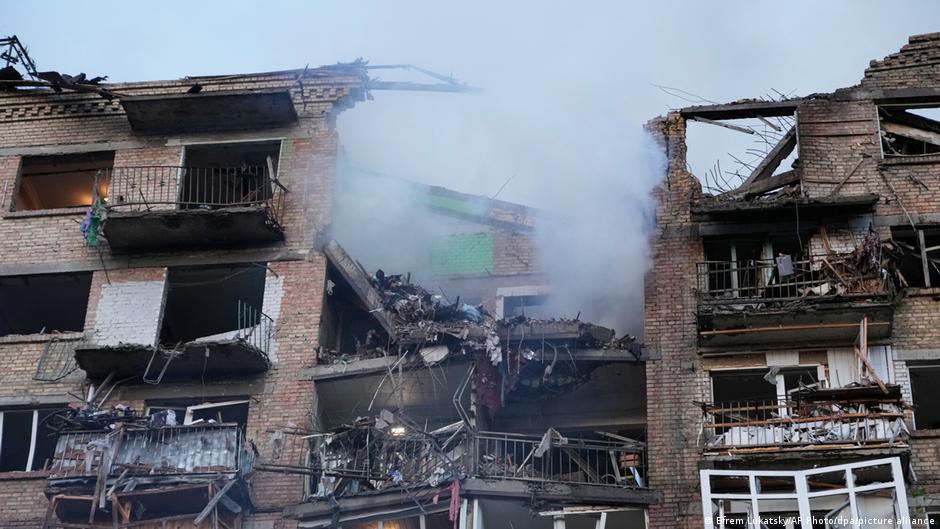
In the early hours of Sunday, May 24, Russian forces launched another large-scale military assault against Kyiv and its surrounding regions, marking a significant escalation in the ongoing conflict. Reports from Ukraine's capital indicate multiple missile and drone strikes on residential buildings, resulting in over 20 casualties and widespread fires.
Impact on Kyiv's Civilian Infrastructure and Casualties
Vitaliy Klitschko, Kyiv's mayor, confirmed that one person was killed when a drone struck a nine-story residential building in the Shevchenkivskyi district. Additionally, at least 21 individuals sustained injuries, with 13 hospitalized and three reported in critical condition. The attacks targeted several high-rise residential complexes across Kyiv, including a 16-story building in the Obolonskyi district and a 24-story building in the Solomianskyi district. Video footage circulating on social media depicts intense fires and structural damage, particularly in the Solomianskyi area.
"The drone strikes have hit multiple residential buildings across Kyiv, causing severe damage and casualties," stated Mayor Klitschko.
Debris from drones and missiles fell in various parts of Kyiv and its suburbs, igniting additional fires and complicating emergency response efforts.
Emerging Use of the 'Oreshnik' Ballistic Missile and Strategic Implications
Analysts and monitoring groups, referencing social media videos, suggest that Russia deployed the medium-range ballistic missile "Oreshnik" targeting an unidentified facility in Bila Tserkva, south of Kyiv. While Ukrainian and Russian official channels have yet to confirm the missile's use, characteristic features of the Oreshnik missile's warhead separation and powerful explosions are visible in multiple video angles.
If confirmed, this strike would represent the third recorded use of the Oreshnik missile by Russian forces since the full-scale invasion began. Previous deployments occurred in November 2024 in central Ukraine and in January 2026 targeting a site in Lviv Oblast. Russian authorities justified the January attack as a response to an alleged drone threat against President Vladimir Putin's residence on Lake Valdai, a claim met with skepticism by international observers, including former U.S. President Donald Trump.
On May 23, Ukrainian President Volodymyr Zelensky publicly warned of Russia's preparations to deploy the Oreshnik missile again, citing intelligence reports. He emphasized the urgency for Kyiv's partners to adopt preventive measures rather than reactive responses to Russian aggression, advocating for increased pressure on Moscow to expedite an end to the conflict.
Corporate and Strategic Considerations
The intensification of missile and drone attacks on Kyiv presents significant challenges for Ukraine's defense infrastructure and civil governance. For multinational corporations operating in or near the region, the volatility raises urgent questions about risk management, supply chain stability, and long-term investment strategies. Moreover, the confirmed use of advanced ballistic weaponry by Russia signals a potential shift in military tactics that could influence international diplomatic and economic responses.
Executives and policymakers must closely monitor these developments, as escalating military actions may affect global energy markets, security alliances, and humanitarian commitments. The call by President Zelensky for proactive measures underscores the necessity for a coordinated international approach to deter further escalation and support Ukraine's resilience.