Russian Military Airstrikes on Zaporizhzhia and Sumy Result in Civilian Casualties and Infrastructure Damage
Precision-guided munitions struck residential and industrial areas, raising concerns over regional security and humanitarian impact.
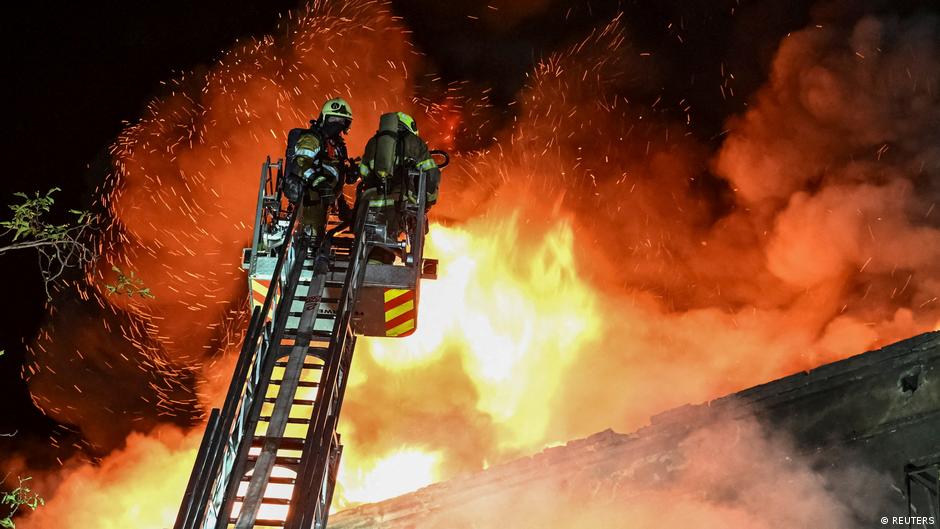
On July 19, Russian armed forces launched airstrikes using guided bombs on the Ukrainian cities of Zaporizhzhia and Sumy. The attacks resulted in civilian casualties and significant damage to residential buildings and critical infrastructure, highlighting ongoing security challenges in the region.
Impact on Civilian Areas and Infrastructure
In Zaporizhzhia, the assault targeted residential zones, severely impacting a five-story apartment building where two floors were completely destroyed. Additionally, windows and balconies of a nearby nine-story building sustained damage. A terminal operated by a logistics company also caught fire, disrupting local supply chain operations.
“The airstrikes caused extensive damage to both residential and industrial facilities, underscoring the vulnerability of urban centers during armed conflict,” noted regional officials.
According to emergency services, the casualties in Zaporizhzhia include at least two fatalities and over 40 injuries, among them eight children. The use of precision-guided bombs underlines the targeted nature of the strikes, which inflicted disproportionate harm on civilian infrastructure.
Earlier the same day, Russian forces struck Sumy, focusing on critical civilian infrastructure. Official reports confirmed one death and multiple injuries, with damage spanning residential neighborhoods and industrial sectors within the Kovpakivskyi district. Authorities indicated that approximately seven guided aerial bombs were deployed in this assault.
Business and Strategic Implications
The destruction of the logistics terminal in Zaporizhzhia has immediate consequences for regional supply chains and commercial activities. Logistics hubs play a pivotal role in sustaining business operations, especially amid conflict-induced economic disruptions.
Executives and corporate strategists operating in the area must now assess the risks posed by deteriorating security conditions, including potential supply chain interruptions and increased operational costs. The targeting of civilian infrastructure also raises questions about the resilience strategies companies must adopt to safeguard assets and personnel.
From a broader strategic perspective, these attacks may influence the operational calculus of businesses considering investments or continued operations in conflict zones. The need for robust risk management frameworks and contingency planning is underscored by such developments.