Russian Military Drone Strike Hits Residential Building in Kharkiv, Raises Security Concerns
A Russian drone strike caused a fire in a Kharkiv high-rise, while a missile attack in Odessa region resulted in casualties, highlighting escalating conflict impacts.
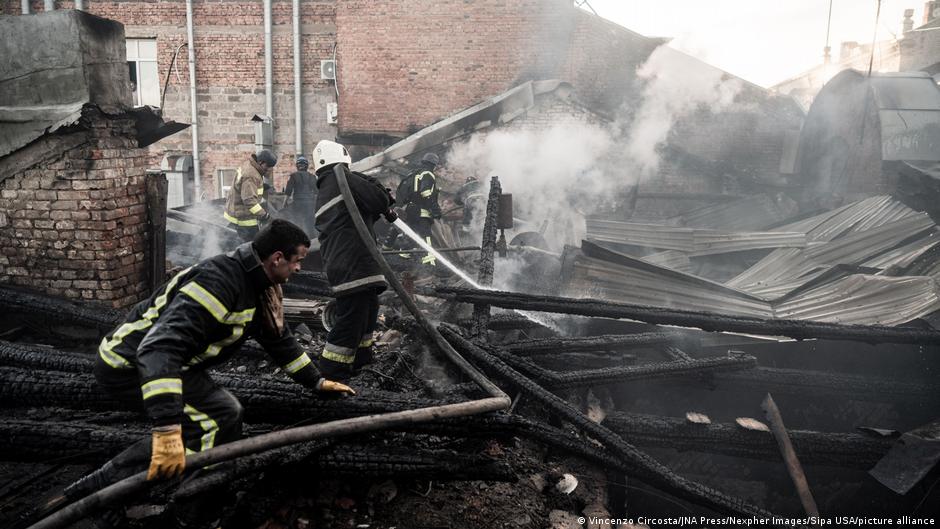
On June 21, a Russian military drone struck a multi-story residential building in the Shevchenkivskyi district of northern Kharkiv, Ukraine, resulting in a fire that damaged the building facade and shattered windows but reportedly caused no casualties. The incident was confirmed by Kharkiv Mayor Igor Terekhov, who detailed the strike’s impact in a Telegram statement.
"The drone hit the facade of the 22nd floor of the high-rise," Terekhov wrote, noting that the fire broke out on the building's exterior before emergency services extinguished it. Approximately ten windows were destroyed during the attack.
Broader Security Implications Amid Ongoing Conflict
The same day, the Russian Armed Forces conducted a ballistic missile attack using the "Iskander" missile system on an agricultural enterprise in the Odessa region’s Odessa district. Ukrainian regional authorities reported one fatality and three injuries as a result of this strike.
Oleg Kiper, head of the Odessa Regional Military Administration, confirmed that the attack caused fires involving vehicles and fuel tanks and led to the destruction of a warehouse facility. Emergency response teams are actively managing the situation.
"We have already signed a contract with German manufacturers for a significant amount—600 air defense missiles," Ukrainian President Volodymyr Zelensky disclosed in a recent interview, underscoring efforts to enhance defensive capabilities amid ongoing missile threats.
President Zelensky’s announcement of the procurement deal with Germany reflects a strategic move by Kyiv to bolster its air defense systems in response to the increased frequency and severity of missile and drone attacks.
The drone strike on Kharkiv’s residential building and the missile attack in Odessa illustrate the evolving threat landscape in Ukraine, where civilian infrastructure and critical enterprises face growing risks. These attacks pose significant challenges for local governance and emergency management agencies tasked with protecting civilians and maintaining operational stability.
From a corporate and executive perspective, the strike on the agricultural facility in Odessa could have broader implications for the region’s food production and supply chain stability. The destruction of warehouses and damage to equipment may disrupt operations and impact domestic and export markets. Business leaders and regional authorities must assess risk mitigation strategies, including infrastructure protection and contingency planning, to navigate this uncertain environment.
In the context of rising military escalation, the Ukrainian government’s procurement of advanced air defense missiles signals a shift toward strengthening defensive postures and reducing vulnerability to aerial attacks. This move may influence future security dynamics and corporate risk assessments across sectors vulnerable to conflict-related disruptions.
The situation demands ongoing monitoring as executive decision-makers in Ukraine and international partners weigh the balance between military needs, civilian protection, and economic resilience amid persistent hostilities.