Russian Military Launches Largest Ballistic Missile Strike on Kyiv, Impacting Civilian Infrastructure
The July 19 missile attack on Kyiv caused multiple fires and casualties, raising strategic and security concerns for Ukrainian capital's resilience.
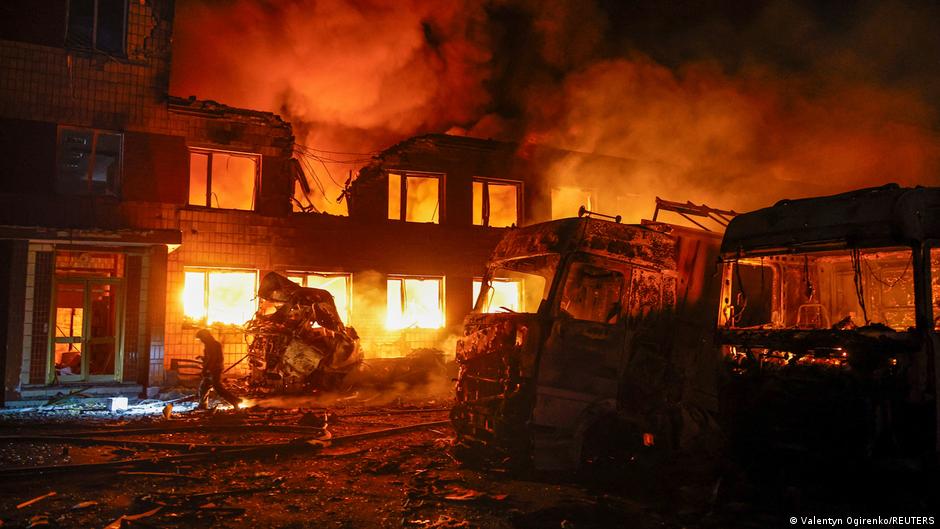
In the early hours of July 19, the Russian military executed its most extensive ballistic missile strike on Kyiv to date, targeting multiple districts across the Ukrainian capital. The coordinated attack triggered widespread destruction, including fires at commercial and residential locations, and resulted in casualties among civilians.
Strategic Implications of the Missile Strike on Kyiv
The missile barrage struck key districts including Dniprovskyi, Shevchenkivskyi, and Solomianskyi, causing significant damage to infrastructure and civilian property. In Dniprovskyi district, the impact led to smoke and fire near a shopping center, with debris igniting a nearby dormitory building. The Shevchenkivskyi district experienced a blaze in a three-story annex of an administrative building, alongside damage to over ten parked vehicles and shattered windows in an adjacent residential complex.
Further devastation was reported in the Solomianskyi district, where missile fragments fell near a nine-story apartment building, damaging exterior glass installations. The attack also triggered fires on the roof of a supermarket and in an adjoining residential building, underscoring the widespread nature of the damage across different civilian zones.
The Kyiv city mayor highlighted that at least seven individuals were injured in the strike, with one fatality confirmed by the Kyiv City Military Administration. This escalation not only reflects a continued intensification of hostilities but also raises pressing concerns about the protection of civilian areas and the resilience of Kyiv's urban infrastructure amidst ongoing conflict.
"The missile strike inflicted severe damage across multiple residential and commercial areas, underscoring the urgent need for strategic defense reassessment," stated local officials.
The attack coincided with a declared air raid alert over Kyiv, amplifying the psychological and operational strain on the city's emergency services and civilian population. From a corporate and governance perspective, such attacks present significant challenges to local businesses, supply chains, and the overall economic stability of the region.
For executives and board members operating in or with interests in Ukraine, these developments necessitate immediate evaluation of risk management strategies, contingency planning, and crisis response frameworks. The evolving security environment demands agile decision-making to safeguard personnel, assets, and continuity of operations.
As the conflict persists, the ability of Kyiv's administration and private sector entities to adapt to these disruptions will be critical. Enhanced collaboration between public authorities and businesses could play a pivotal role in mitigating impacts and accelerating recovery efforts.