Russian Military Strike Causes Power Outage and Fires in Zaporizhzhia Amid Ongoing Conflict
Russian airstrikes on Zaporizhzhia result in a partial blackout and fire, raising concerns about infrastructure resilience and regional stability.
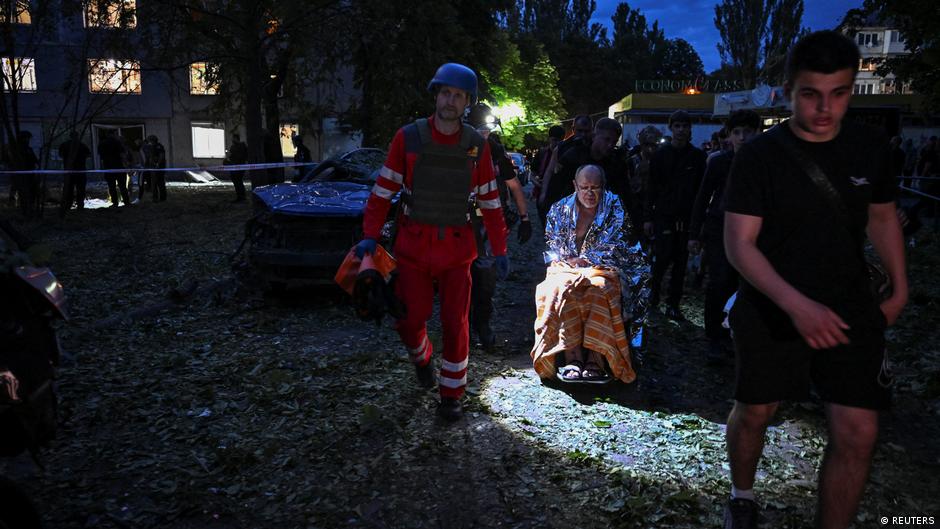
Zaporizhzhia, a key city in southeastern Ukraine, recently experienced a partial blackout and a significant fire following a military strike by Russian forces. The attack, which took place during the night of June 6-7, targeted one of the city's districts, resulting in disrupted electricity supply and emergency response mobilization.
Impact on Infrastructure and Immediate Response
Ivan Fedorov, head of the Zaporizhzhia Regional Military Administration, reported that the strike caused a fire and left part of one district without power. Emergency services were promptly dispatched to contain the fire and manage the situation. Meanwhile, energy specialists began working immediately to restore electricity and minimize further disruption to residents and businesses.
Authorities had previously warned of potential aerial bomb attacks and ballistic missile strikes, signaling heightened tensions and the risk of further escalations in the region. The recent strike underscores the vulnerability of critical infrastructure amidst ongoing hostilities.
"Energy teams are actively engaged in restoring electricity to affected consumers," Fedorov stated, emphasizing swift recovery efforts despite persistent threats.
Broader Context and Corporate Implications
This latest attack follows a drone strike on June 4 against a residential area in Zaporizhzhia, which resulted in one fatality and multiple injuries, as well as damage to residential buildings and vehicles. The continued targeting of urban areas raises concerns regarding the operational resilience of local infrastructure networks, including utilities and transportation.
For businesses operating in or near conflict zones such as Zaporizhzhia, these developments pose significant risks to supply chain continuity, employee safety, and overall operational stability. Companies must consider contingency planning, including infrastructure redundancy and crisis management protocols, to mitigate the impact of such disruptions.
Moreover, boardroom discussions are likely to focus more sharply on geopolitical risk assessments and strategic responses to evolving security challenges. Stakeholders and investors are expected to scrutinize how companies navigate these complexities, balancing business continuity with ethical and safety considerations.
As the situation evolves, corporate leaders will need to stay informed about regional developments, collaborate closely with local authorities, and adapt their strategies to safeguard assets and personnel in volatile environments.