Russian Military Strikes on Ukrainian Cities Result in Civilian Casualties and Infrastructure Damage
Massive drone and air missile attacks by Russian forces killed civilians and injured dozens in Sumy and Zaporizhzhia on July 3.
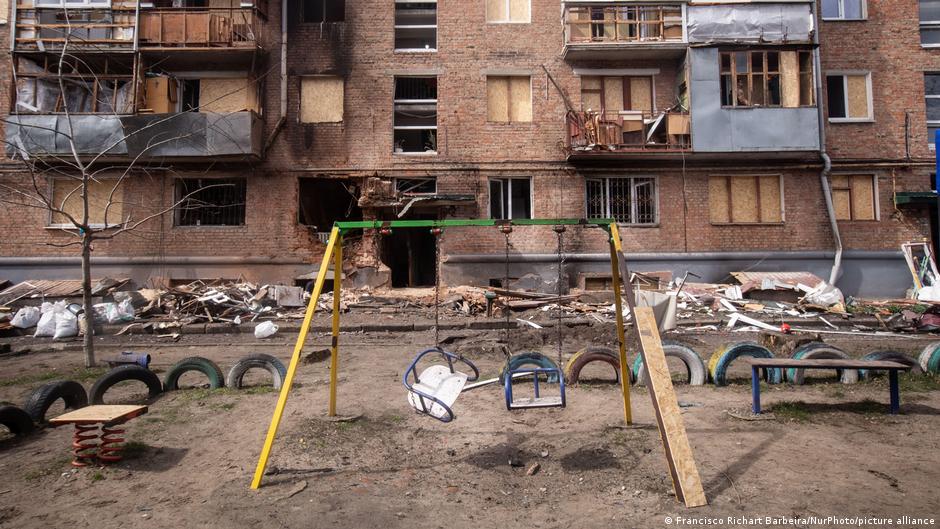
On the evening of July 3, Russian military forces launched heavy strikes using drones and air-launched missiles targeting the Ukrainian cities of Sumy and Zaporizhzhia. These coordinated attacks resulted in significant civilian casualties and damage to residential and industrial infrastructure.
Civilian Impact and Urban Damage in Sumy
According to local military administration officials, the strikes on Sumy led to the deaths of four people and injuries to 27 others. Among the injured were seven children. The attacks concentrated on the city's center and residential areas, including the Kovpakivskyi district.
"One of the projectiles hit a residential sector in Kovpakivskyi district," reported Oleg Hryhorov, head of the Sumy Regional Military Administration. "The epicenter of the attack included a multi-story residential building, a store, and a road that was crowded at the time." This contributed to the high number of civilians affected.
Hryhorov specified that among the fatalities were a five-year-old girl and her mother, both of whom succumbed to their injuries despite medical efforts. Another victim passed away later in hospital. Many of the wounded sustained severe injuries, highlighting the devastating human cost of the attack.
Similar Assaults in Zaporizhzhia
On the same evening, Zaporizhzhia was also subjected to missile and drone strikes. Ivan Fedorov, head of the Zaporizhzhia Regional Military Administration, confirmed that the attacks targeted both residential buildings and non-residential structures, including at least one industrial facility.
These strikes resulted in two deaths among local residents and injured 21 others. The targeting of industrial enterprises raises concerns about disruptions to regional economic activities and supply chains, which could have broader implications for business operations and regional stability.
"The attacks on urban centers not only cause tragic loss of life but also jeopardize critical residential and industrial infrastructure, complicating recovery and economic resilience efforts," said an analyst following the developments.
For business leaders and corporate strategists observing the conflict, these events underline the heightened risks facing enterprises operating in or near conflict zones. Damage to industrial facilities and infrastructure can lead to operational interruptions, supply chain vulnerabilities, and increased security costs.
Moreover, the civilian toll and destruction may influence international sanctions, investment decisions, and strategic partnerships in the region. Decision-makers must continuously evaluate geopolitical risks and adjust corporate strategies accordingly to address the evolving security landscape.