Russian Missile and Drone Strike on Kyiv Causes Civilian Casualties and Infrastructure Damage
Seven dead and multiple injured as Russia launches coordinated attacks on Kyiv and surrounding regions amid rising geopolitical tensions.
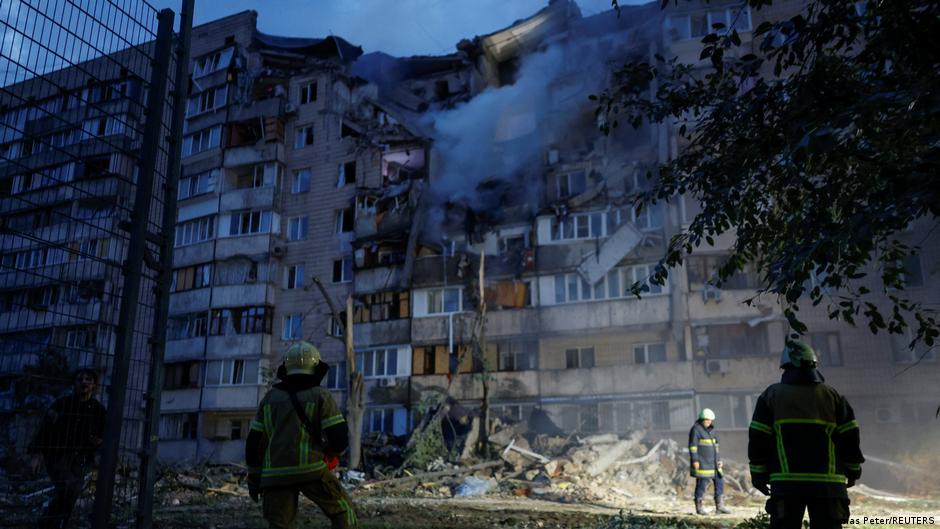
In a significant escalation of hostilities, Russian forces launched a coordinated missile and drone attack targeting Kyiv and nearby regions on the night of July 5-6. The assault involved ballistic and cruise missiles as well as strike drones, resulting in civilian casualties and widespread damage to residential and civilian infrastructure.
Impact on Kyiv and Surrounding Regions
According to Ukrainian Defense Forces, the attack killed at least seven individuals and injured 24, with 14 hospitalizations including two children. Kyiv Mayor Vitali Klitschko reported severe damage in multiple districts, including the partial destruction of a residential building in the Podilskyi district where residents had to be evacuated from trapped floors. Additional damage was reported in the Darnytskyi and Holosiivskyi districts, where fires broke out in residential buildings.
"From the upper floors of the burned residential building in Podilskyi, three women and six children were rescued," Mayor Klitschko said.
Outside the capital, Kyiv Oblast experienced damage as well. The Bucha district suffered one death and ten injuries, including six hospitalizations, with private homes, businesses, and infrastructure sustaining damage in Bucha, Vyshhorod, and Brovary districts. Emergency services are actively responding to the aftermath.
Odessa was also targeted during the night, resulting in injuries to a 23-year-old man and damage to residential properties, according to regional military officials.
Strategic and Geopolitical Context
These attacks coincide with heightened geopolitical tensions, as Ukraine’s President Volodymyr Zelensky issued warnings about a potential massive strike by Russia, citing intelligence reports. Zelensky highlighted the timing of the assault — immediately following the United States’ Independence Day and just days before the NATO summit scheduled for July 7-8 in Ankara.
President Zelensky urged international partners to accelerate delivery of air defense systems to bolster Ukraine’s capabilities. The timing and scale of the attacks underscore the intersection of military operations and international diplomatic efforts.
From a corporate and executive perspective, these developments may have significant implications for multinational companies operating in the region, particularly in sectors reliant on supply chain continuity and infrastructure stability. The ongoing hostilities could accelerate decisions related to risk assessment, business continuity planning, and potential relocation or scaling of operations.
As the situation evolves, boardrooms and executive teams will need to closely monitor the geopolitical landscape, adjusting strategies to mitigate operational and reputational risks associated with conflict zones.